



The Daily Charging Dilemma
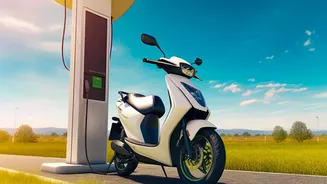
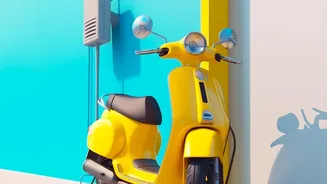
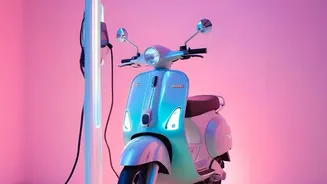
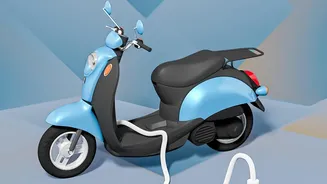
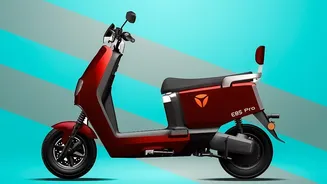
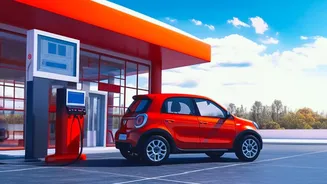
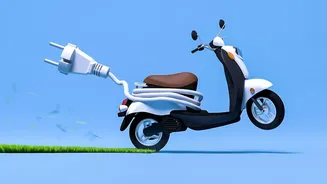
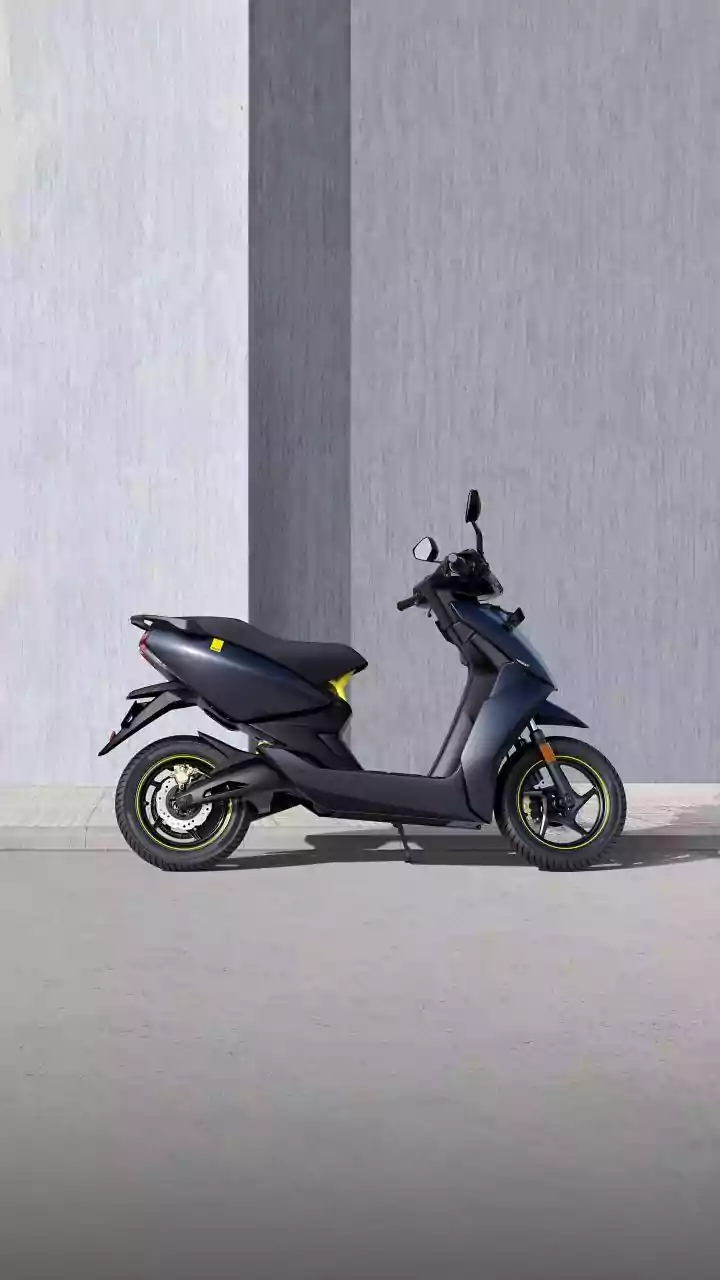
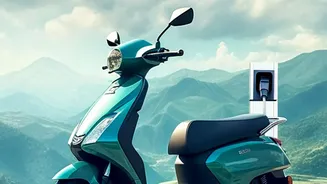
The electric scooter boom in India is changing how cities move, offering a cleaner, quieter alternative to petrol-powered two-wheelers. Yet, for all their benefits, a significant hurdle remains: charging time. Most electric scooters today rely on lithium-ion
batteries, which typically take three to six hours for a full charge using a standard home socket. This lengthy downtime is a major inconvenience for daily commuters and a critical operational bottleneck for delivery riders who can't afford to be off the road for long. This reliance on slow home charging, coupled with a still-developing public charging network, creates what experts call "range anxiety," a persistent worry that you'll run out of power before reaching your destination or a charging point.
Enter the Solid-State Solution
The game-changer on the horizon is the solid-state battery. To understand why it's a leap forward, we first need to look at current batteries. A conventional lithium-ion battery contains a positive electrode (cathode), a negative electrode (anode), and a liquid electrolyte that allows charged particles (ions) to move between them. It's this liquid component that creates limitations. Solid-state batteries, as the name suggests, replace this flammable liquid electrolyte with a thin, stable, solid material, often a ceramic, polymer, or glass. This single change fundamentally redesigns the battery, unlocking a cascade of benefits in safety, size, and, most importantly, charging speed.
The Science of Faster Charging
So, how does a solid electrolyte enable super-fast charging? The answer lies in safety and efficiency. In liquid-based lithium-ion batteries, charging too quickly can cause the formation of tiny, needle-like structures called dendrites, which can pierce the battery's internal separator, cause a short circuit, and lead to overheating or fire—a phenomenon known as thermal runaway. To prevent this, a scooter's Battery Management System (BMS) carefully limits the charging speed. Solid-state electrolytes are far more resistant to dendrite formation. Their robust, solid structure acts as a physical barrier, allowing for a much faster and safer transfer of ions. This improved thermal stability means they generate significantly less heat, enabling charging speeds that are simply not possible with their liquid-filled counterparts. Some demonstrations have shown charges from 10% to 80% in as little as 10 minutes.
More Than Just Speed
While the headline benefit is speed, solid-state technology offers a suite of other crucial improvements. Because they don't use flammable liquid electrolytes, they are inherently safer and have a much lower risk of fire. They also boast higher energy density, meaning they can store more energy in the same amount of space. For an e-scooter rider, this translates to either a much longer range from a same-sized battery pack or a lighter, more nimble scooter with the same range. Furthermore, solid-state batteries promise a significantly longer lifespan, capable of enduring thousands of charge cycles with minimal degradation, compared to the typical 1,000-2,000 cycles for lithium-ion batteries.
The Road to Mass Adoption
Despite the revolutionary potential, you won't find solid-state batteries in most showrooms just yet. The primary hurdles are manufacturing cost and scale. The complex processes and materials involved currently make them more expensive to produce than traditional lithium-ion batteries. However, major companies like Toyota, Samsung, CATL, and QuantumScape are investing billions to solve these challenges. Breakthroughs are happening fast. In early 2026, electric motorcycle manufacturer Verge even began delivering production bikes with solid-state batteries, demonstrating that the technology is moving from the lab to the road. As production scales up, prices are expected to fall, making them viable for the mainstream e-scooter market within the next few years.