


The Misty Allure of the Hills
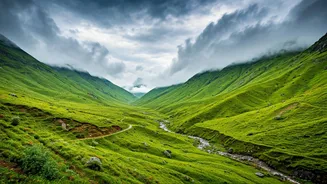
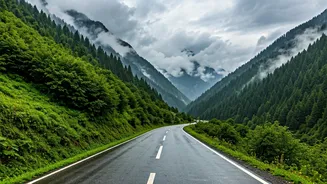
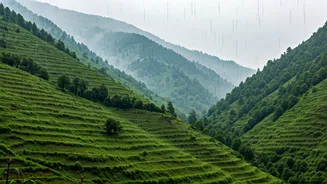
While many travellers shy away from the mountains during the monsoon, they miss a truly enchanting experience. Hill stations like Mussoorie in Uttarakhand and Kasauli in Himachal Pradesh shed their bustling tourist season persona and embrace a quieter,
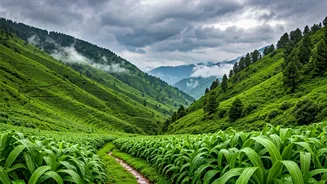
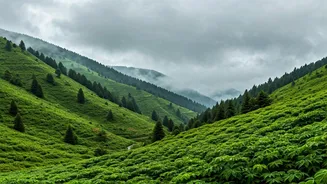
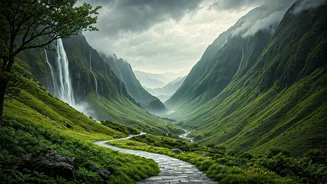
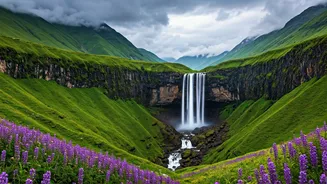
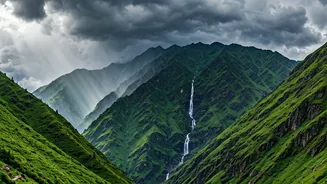
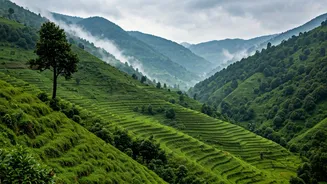
more intimate charm. [10, 11] Imagine sipping hot tea on a balcony as clouds drift right into your room, or walking through pine forests where raindrops cling to every needle like tiny jewels. [12] The world shrinks to the immediate surroundings, a bubble of mist and green. The cacophony of peak season is replaced by the rhythmic drumming of rain on tin roofs and the sudden roar of a newly awakened waterfall. It's a time for quiet reflection, cozy sweaters, and watching the hills breathe. [12]
Rajasthan's Romantic Reinvention
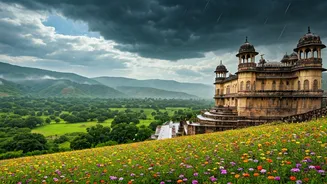
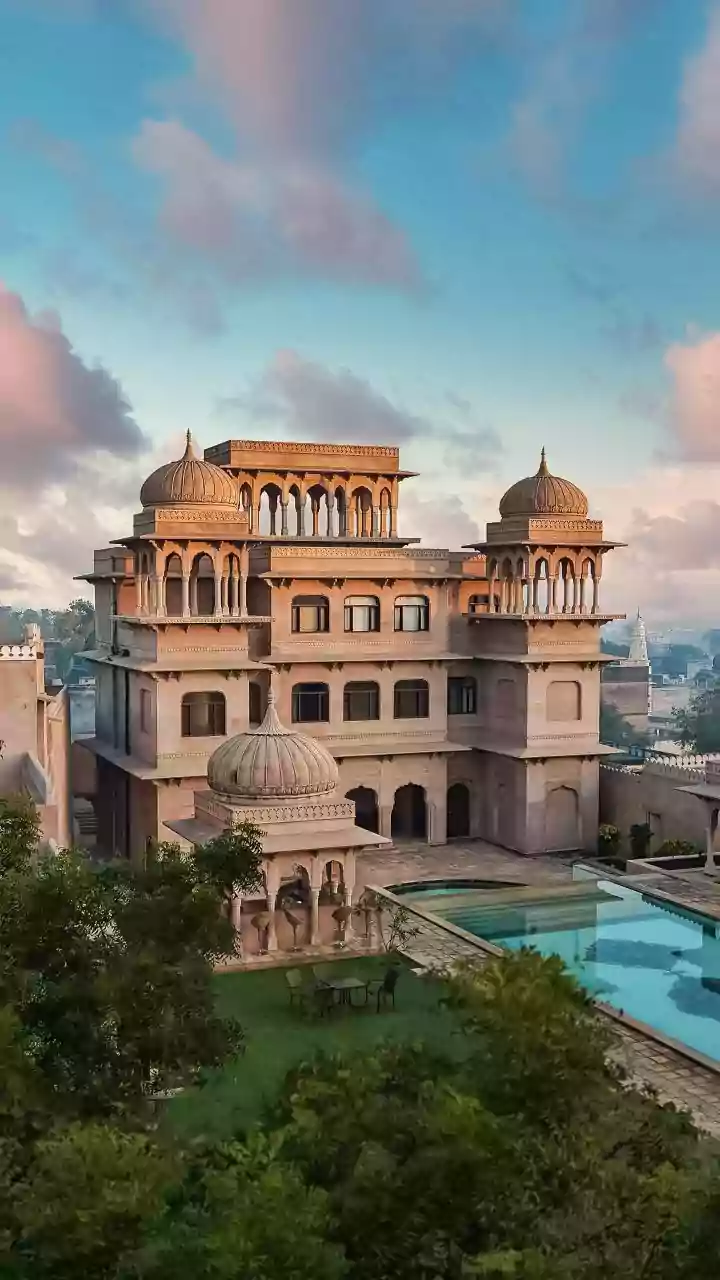
The desert state of Rajasthan undergoes a dramatic transformation that is nothing short of magical. The Aravalli hills, stark and brown for months, suddenly flush with a vibrant green. Cities known for their heat become romantic retreats. In Udaipur, the lakes swell and brim with fresh rainwater, making a boat ride on Lake Pichola feel like a dream. [9, 13] The Sajjangarh Palace, aptly named the Monsoon Palace, offers breathtaking views of the stormy skies and verdant landscape below. [4, 5] Lesser-known gems like Bundi, with its ancient stepwells (baoris) filling to the brim, and Mount Abu, the state's only hill station, become lush havens perfect for exploration. [5, 13, 21]
The Legendary Valley of Flowers
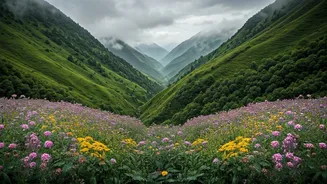
For trekkers and nature lovers, the monsoon signals the opening of a truly celestial destination: the Valley of Flowers in Uttarakhand. [26] This UNESCO World Heritage Site, closed for most of the year, bursts into a riot of colour from July to September. [8, 17] The rains are the lifeblood of this high-altitude valley, coaxing over 600 species of alpine flowers to bloom in a breathtaking natural carpet. [17, 29] The trek to the valley, though challenging, is rewarded with sightings of rare flowers like the elusive Himalayan Blue Poppy and the sacred Brahma Kamal. [17, 28] The park officially opened for the 2026 season on June 1st, with the peak blooming period expected from mid-July to mid-August. [20, 29]
Beyond the Obvious Choices
The monsoon's beauty isn't confined to famous hill stations. Offbeat destinations offer their own unique appeal. Morni Hills, Haryana's only hill station, becomes a green escape with its tranquil Tikkar Tal lake perfect for boating. [6] In Kashmir, the famed Dal Lake takes on a dramatic character, framed by the rain-washed Zabarwan hills, offering serene shikara rides amidst a light drizzle. [6] Even the plains have their moments; the Nangal Wetlands in Punjab, formed by the Sutlej River, become a haven for birds against a backdrop of beautiful hills. [11] These spots provide a peaceful break from city life, showcasing a different side of North India's monsoon glory.
A Note on Responsible Travel
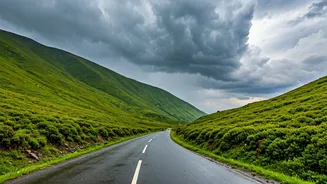
The beauty of the monsoon in the mountains comes with a caveat: safety. The rainy season can make travel unpredictable, with risks of landslides and road closures, particularly in hilly regions like Himachal Pradesh and Uttarakhand. [21, 25] It's crucial to be a prepared and responsible traveller. Always check the latest weather forecasts from official sources like the India Meteorological Department (IMD) before you go. [12, 15] Avoid travelling during red or orange alerts. [16] Pack waterproof gear, ensure your vehicle is in good condition, and keep emergency contacts handy. [14, 15] Informing yourself and respecting local advisories ensures that your monsoon adventure is memorable for all the right reasons. [12]