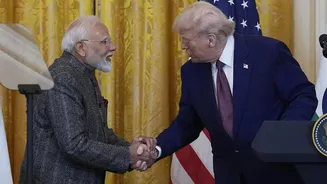








The Final Handshake
Contrary to the idea of a stalemate, Indian and American officials are on the cusp of finalizing a significant Bilateral Trade Agreement (BTA). During a visit to India in late October 2026, US Secretary of State Marco Rubio noted that both sides were
'very, very close' to a deal, with only a 'small number of items left to wrap up'. These final sticking points are the remnants of long-standing disagreements that have shaped economic ties for years. The primary issues being resolved involve contentious tariffs on goods, rules for digital trade, and market access. For years, these hurdles created uncertainty; now, their resolution is set to define a new era of economic partnership.
The Tariff Tightrope
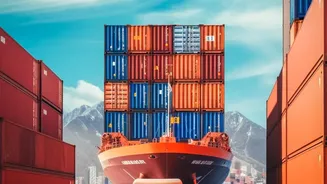
A major focus of the agreement is the complex web of tariffs. The US has previously used measures like Section 301 and 232 duties, which apply a general tariff of around 10% on many Indian goods. The new deal aims to create a more predictable and favourable tariff structure. An earlier framework this year proposed reducing reciprocal tariffs to 18%, a significant sentimental boost for India's export market. This is especially critical as the US has simultaneously escalated its trade conflict with China, imposing tariffs as high as 145% on some Chinese electronics. By offering India a more stable and lower tariff regime, the US is actively encouraging global manufacturers to see India as a primary alternative in their 'China Plus One' supply chain strategy, a move that could fundamentally reshape electronics manufacturing.
A Truce on Digital Taxes
One of the most significant breakthroughs paving the way for the current deal was India's move to scrap its controversial 'equalisation levy'. This policy included a 6% tax on online advertising revenue earned by non-resident tech companies (often called the 'Google tax') and a 2% levy on e-commerce operators. The US had strongly criticized these taxes as discriminatory against American firms like Google, Amazon, and Meta. Recognizing the friction it caused, India abolished the levies in 2024 and 2025, a move aimed at easing trade tensions. This concession demonstrated goodwill and removed a major obstacle, allowing negotiators to focus on establishing clear, forward-looking rules for digital trade that prevent future disputes.
The Data and Digital Trade Dilemma
Beyond taxes, the rules governing data have been a key discussion point. India's previous push for stringent data localization—requiring companies to store Indian user data within the country's borders—caused significant concern for US tech giants. They argued it would force them to build costly, redundant data centres and hinder their ability to offer global services efficiently. The forthcoming trade agreement is expected to address these 'barriers to digital trade' by creating a mutually agreed-upon framework. The goal is to balance India's regulatory needs with the operational realities of global technology companies, ensuring that data can flow securely while supporting a thriving digital economy.
The Bottom Line for Your Wallet
So, what does this high-level diplomacy mean for the average consumer in India? The most direct impact will likely be on the price of electronics. Reduced tariffs on imported finished goods, like premium smartphones and laptops, could lead to lower retail prices. More importantly, lower duties on essential components would decrease manufacturing costs for companies that assemble their products in India under schemes like 'Make in India'. This cost-saving could be passed on to consumers, making a wide range of electronics more affordable. As the cost of doing business for tech companies comes down, and market access improves, Indian consumers stand to benefit from more competitive pricing and wider product availability.