




The Great Monsoon Window Debate
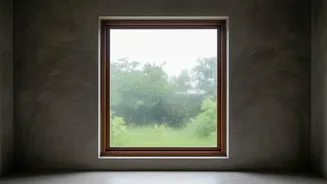
It’s a scene many of us in India know well. The air inside feels thick, heavy, and stale. Your first instinct is to throw open the windows to let in a breeze. But wait, it just rained, and the air outside is dripping with humidity. Will opening the windows freshen
up your home, or will you just be inviting more dampness inside? This is the central puzzle of monsoon living. You want ventilation to avoid that stuffy, locked-in feeling, but you also want to protect your home from the damaging effects of excess moisture, which can lead to musty smells, mould growth, and damage to furniture and walls.
Understanding a Key Concept: Relative Humidity
To make smart decisions, it helps to understand a simple concept: relative humidity (RH). Think of air as a sponge. The amount of water it can hold depends on the temperature. Relative humidity, expressed as a percentage, tells you how 'full' that sponge is compared to its maximum capacity at that temperature. During the monsoon, the outdoor RH is often 80-95%. When you open your windows, you’re not just letting in air; you’re letting in all the moisture it carries. If your indoor air is cooler and drier than the air outside, opening the windows will make your home more humid, not less. The ideal indoor humidity level for comfort and health is generally between 40% and 60% RH.
So, When Should You Open the Windows?
Despite the high humidity, there are strategic times when opening your windows is beneficial. The best opportunities are often during brief, cooler periods. For instance, in the early morning or late at night, when the outdoor temperature drops, the air might be less humid than the warm, stale air trapped inside your home. Another good time is right after a strong, cleansing rain shower, when the air often feels fresher and cleaner. The key is to act quickly. Instead of leaving windows open for hours, practice 'shock ventilation': open windows and doors on opposite sides of the house for 10-15 minutes to create a cross-breeze. This replaces the indoor air without giving the walls and furniture time to absorb a lot of moisture.
Knowing When to Keep Them Shut
For most of a typical monsoon day, especially during or just before it rains, keeping your windows and doors closed is the wiser choice. If it is hot and humid outside, opening windows will only equalize your indoor environment with the outdoor one, leading to that sticky, uncomfortable feeling indoors. This is the time when your home becomes a refuge from the humidity, and you need to protect that barrier. Constantly letting in moisture-laden air can create a damp environment that is a perfect breeding ground for mould, mildew, and dust mites, which can settle into carpets, curtains, and furniture.
Smarter Ways to Ventilate and Dehumidify
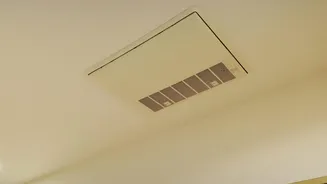
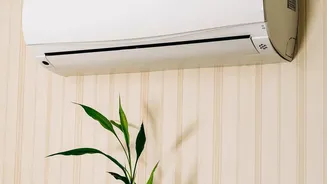
If you can't open your windows, how do you keep the air from getting stale? Thankfully, there are several effective strategies. Use exhaust fans in your kitchen while cooking and in your bathroom during and after a shower; these are prime sources of indoor humidity. Your air conditioner is also a powerful tool. Use it in 'dry' or dehumidifier mode, which pulls moisture from the air without over-cooling the room. For areas with persistent dampness, a dedicated dehumidifier is an excellent investment. It physically removes water from the air, helping to maintain that ideal 40-60% humidity level and preventing mould growth. Even simple things like placing bowls of rock salt or activated charcoal can help absorb some excess moisture in small spaces like closets.
Why Managing Humidity Matters
Controlling humidity is about more than just comfort. Excessive moisture is a serious issue for both your health and your property. Damp environments are ideal for the growth of mould and mildew. Exposure to mould spores can trigger allergic reactions, asthma attacks, and other respiratory issues, particularly in children and the elderly. Dampness can also cause paint to peel, wood to warp, and can damage electronics and books. By actively managing humidity, you are creating a healthier living space for your family and protecting your home from long-term damage.