








The Problem with Too Much Plain Water
After an intense or long workout, your body has lost more than just water through sweat; it has also lost essential minerals known as electrolytes. These include sodium, potassium, magnesium, and calcium. While replenishing lost fluid is crucial, chugging
large amounts of plain water can be counterproductive. This practice can dilute the concentration of the remaining electrolytes in your bloodstream, creating an imbalance that hampers your body's ability to recover effectively. For shorter, less intense workouts, plain water is often sufficient, but for anything involving significant sweat loss, a more strategic approach is needed.
The Science of Dilution: Hyponatremia Explained
When you drink excessive amounts of plain water faster than your kidneys can process it, you risk a condition called exercise-associated hyponatremia. This literally means 'low sodium in the blood'. Sodium is the primary electrolyte lost in sweat and is vital for maintaining fluid balance and supporting nerve and muscle function. By overloading your system with water, you effectively wash out this crucial mineral. The body's cells, particularly brain cells, begin to swell with excess water, which can lead to a range of symptoms. This dangerous imbalance turns the simple act of rehydration into a potential health risk.
Warning Signs You Might Be Overhydrating
The early symptoms of hyponatremia are often vague and can easily be mistaken for simple dehydration or post-workout exhaustion. These can include nausea, headache, fatigue, confusion, and irritability. One of the more telling signs can be muscle weakness or cramping, which occurs as mineral imbalances disrupt proper muscle function. In more severe instances, symptoms can escalate to vomiting, disorientation, seizures, and in the most extreme cases, can be fatal. It's important to recognize that these symptoms arise not from a lack of water, but from a critical lack of electrolytes relative to the amount of water in your system.
How Mineral Loss Sabotages Recovery
Effective recovery is about much more than just rehydrating; it's about giving your body the raw materials it needs to repair and rebuild. Minerals are the unsung heroes of this process. Potassium and sodium are essential for nerve signaling and muscle contractions. Magnesium plays a huge role in muscle relaxation, helping to prevent the cramps and spasms that can occur when levels are low. Calcium is also critical for both muscle contraction and nerve transmission. When these minerals are diluted, muscle repair is delayed, inflammation can linger, and feelings of fatigue are prolonged, effectively stalling your recovery and undermining your fitness gains.
Smarter Hydration for Better Recovery
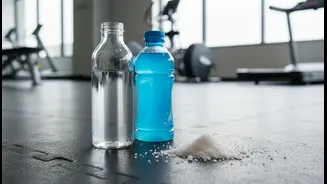
The key to effective post-workout hydration is balance. For workouts lasting over an hour or those in hot conditions, you should aim to replace both fluids and electrolytes. This doesn't necessarily require expensive sports drinks, though they are an effective option. You can add a pinch of mineral-rich salt to your water, use an electrolyte powder or tablet, or turn to natural sources. Coconut water is naturally high in potassium, while a fruit smoothie or a glass of milk can provide a mix of electrolytes, carbohydrates, and protein to aid recovery. Eating a balanced snack that contains sodium alongside your water, like pretzels or a salted banana, can also help restore what was lost.