






The Rise of the Himalayan Workation
Rishikesh is no longer just a destination for pilgrims and yoga enthusiasts. It's rapidly transforming into a sought-after hub for digital nomads from across India and the world. The appeal is simple: a low cost of living, a serene environment that boosts
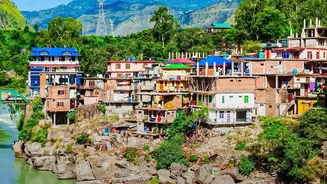
focus and creativity, and a vibrant community. Co-living properties and work-friendly hostels have sprung up, particularly in areas like Tapovan and near Laxman Jhula, catering specifically to this new wave of remote workers. They offer an escape from urban monotony, replacing traffic noise with the sound of the Ganges and office cubicles with rooftop cafes overlooking the mountains.
Cracking the ₹20,000 Monthly Budget
The headline promise of a workation under ₹20,000 per month is achievable, but it requires smart planning. This budget typically covers a bed in a shared dormitory in a co-living hostel. For instance, weekly rates at some hostels start from around ₹2,500, which calculates to approximately ₹10,000 to ₹12,000 for a month's stay. Private rooms are also available but usually cost more, with weekly rates starting around ₹8,400, pushing the monthly total higher. Many online rental platforms also list 1BHKs or studio apartments in the ₹15,000 to ₹20,000 range, though these might not include the community benefits of a co-living space. It is important to note that this budget generally covers only accommodation and Wi-Fi. Meals are often an additional cost, though many properties have in-house cafes or community kitchens that help keep food expenses low.
The 'Fast Internet' Promise, Delivered
A few years ago, reliable internet in the mountains was a major concern. Today, the situation has dramatically improved. Many co-living spaces and hostels in Rishikesh now advertise high-speed Wi-Fi, often powered by fiber optic connections. Properties like Zostel, goSTOPS, and The Hosteller, along with independent guesthouses, list fast internet and power backup as key amenities to attract digital nomads. Some places even boast speeds of 100 Mbps or more. While connectivity in cafes can sometimes fluctuate, the dedicated co-living and coworking spaces understand that a stable connection is non-negotiable for remote work and have invested in robust infrastructure, often with multiple service providers like Jio and Airtel for redundancy.
More Than Just a Desk and a Bed
The 'co-living' aspect is central to the Rishikesh workation experience. These properties are designed to foster a sense of community. Common areas, shared kitchens, and game rooms become hubs for networking and socialising. Hostels often organise group activities, from weekend treks and river rafting to bonfire nights and live music sessions. Many are also located within walking distance of yoga shalas, meditation centres, and the famous Ganga ghats, making it easy to integrate wellness into the workday. This built-in community provides a crucial support system, especially for solo travellers, blending productivity with shared experiences.
How to Find Your Perfect Spot
Finding the right place requires a bit of research. Start by browsing popular hostel chains like Zostel, goSTOPS, and The Hosteller, which have multiple properties in Rishikesh. Websites like Booking.com, Hostelworld, and even rental platforms like 99acres can provide a wide range of options. The most popular neighbourhoods for remote workers are Tapovan and the area around Laxman Jhula, known for their abundance of cafes and connectivity. Before booking a long-term stay, it's wise to contact the property directly. Ask about their internet setup, power backup solutions, and what's included in their monthly packages. Reading recent reviews from other digital nomads can also provide invaluable insight into the real-world experience.