








Redefining the Rest Day
For years, the gospel of fitness preached that after a punishing workout, the best thing to do was nothing at all. This is known as passive recovery: complete rest, maybe a movie marathon, and minimal movement. The idea was to let your taxed muscles heal
in peace. Active recovery flips that script. It involves performing low-intensity exercises the day after a strenuous session. Think of it not as another workout, but as a gentle nudge to your body's natural repair systems. The goal is to keep blood flowing and joints moving without adding significant stress or causing the muscle micro-trauma associated with a hard workout.
The Science of Moving to Heal
So, why is this gentle movement gaining traction over total stillness? The benefits are rooted in physiology. Engaging in light activity, such as a slow jog or gentle swim, increases blood circulation throughout the body. This enhanced blood flow acts like a delivery service, transporting vital oxygen and nutrients to your tired muscles, which can help them repair and rebuild. Simultaneously, it helps clear out metabolic waste products that accumulate during intense exercise. While the old theory about 'flushing lactic acid' has been largely debunked—as lactate clears on its own fairly quickly—active recovery does help reduce the overall sensation of stiffness and soreness, often called Delayed Onset Muscle Soreness (DOMS). Studies suggest that while it may not speed up the actual rate of tissue repair, it significantly improves how you feel, making you ready for your next session sooner.
Your Active Recovery Toolkit
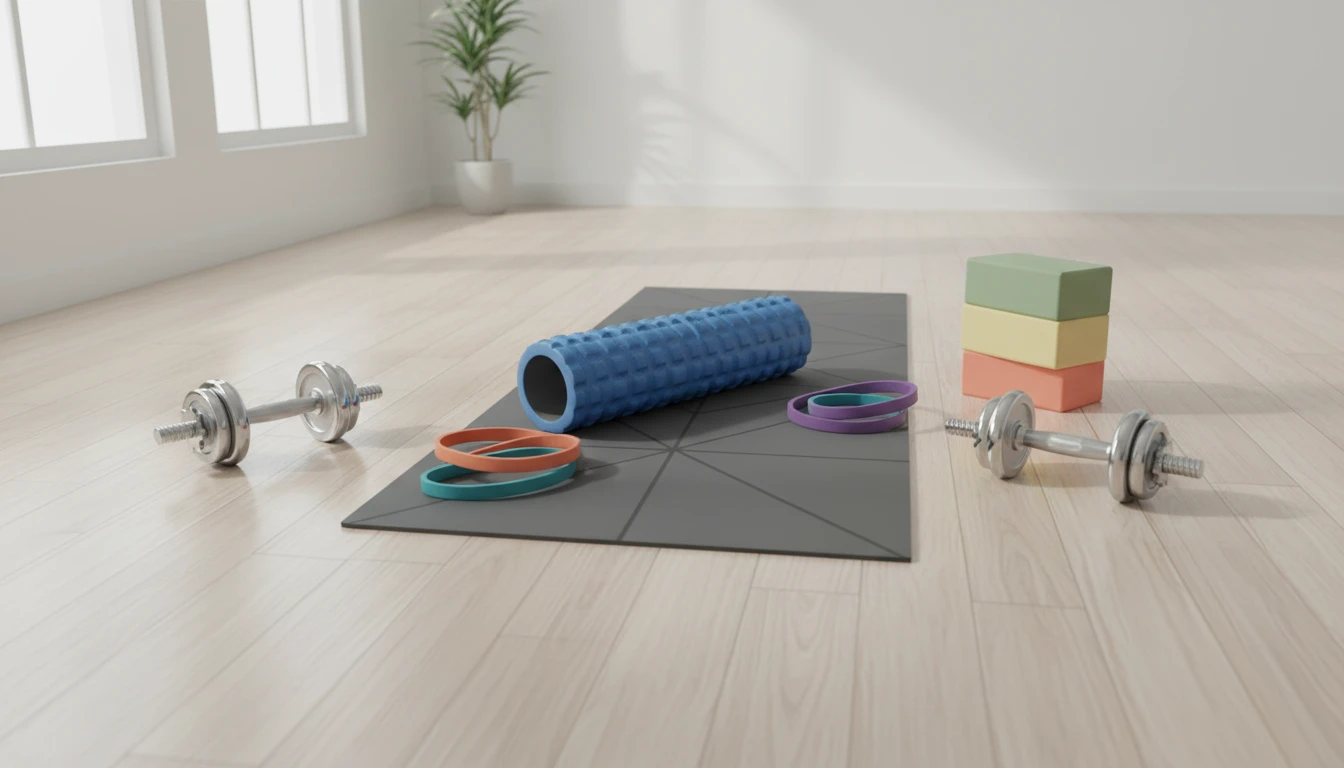
The beauty of active recovery is its simplicity and flexibility. You don't need fancy equipment, just a commitment to move gently. The key is to keep your effort level low; a common rule of thumb is that you should be able to hold a conversation easily while doing it. Some excellent options include: walking, light jogging, cycling on a flat route, swimming, or flowing through a gentle yoga sequence. Even dynamic stretching, foam rolling, or doing some light bodyweight exercises can qualify. The activity should feel restorative and leave you feeling energised, not more tired. For many in India, a brisk walk in the park or a few rounds of Surya Namaskar can be a perfect active recovery session.
Knowing When to Rest Completely
Active recovery is a powerful tool, but it is not a replacement for complete rest. Your body still needs downtime. Passive rest is crucial when you are dealing with an injury, feeling unwell, or experiencing symptoms of overtraining. Signs like persistent fatigue, a decline in performance, mood swings, or trouble sleeping are your body's way of saying it needs a real break. In these cases, pushing through with even a light workout can do more harm than good. A true rest day—prioritising sleep, good nutrition, and hydration without structured exercise—is non-negotiable for long-term health and fitness. The key is to listen to your body; if you are just sore, active recovery is great, but if you are exhausted or in pain, rest is best.
How to Plan Your Recovery
Incorporating active recovery into your routine is straightforward. A good starting point for most people is to schedule one to two active recovery days per week, often on the day following your most intense workout. An active recovery session doesn't need to be long; 20 to 40 minutes is typically sufficient to reap the benefits. For example, if you do a heavy leg-day workout on Monday, Tuesday could be your active recovery day with a 30-minute walk or a gentle yoga class. It's about finding a balance that works for your body and your training schedule. Some advanced athletes may use active recovery more frequently, but for the average fitness enthusiast, alternating intense days with either active recovery or complete rest is a sustainable approach.