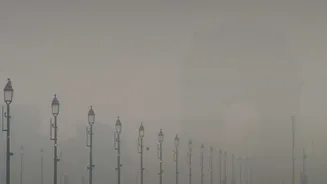








As November's chill descends on Delhi, so does the familiar blanket of smog. But beyond the immediate burning eyes and rasping coughs lies a far more sinister threat: a slow, pervasive assault on the long-term health of every citizen.
More Than Just a Winter Cough
Each year, headlines
chronicle the 'very poor' and 'severe' Air Quality Index (AQI) levels plaguing the capital. On November 12, 2026, the city's AQI again settled in the 'very poor' category at 323, with some monitoring stations recording 'severe' levels above 400. This toxic cocktail is a mix of vehicle emissions, industrial output, construction dust, and smoke from seasonal stubble burning in neighbouring states. The most dangerous component is PM2.5 – fine particulate matter so small it can bypass the body's natural defences, penetrate deep into the lungs, and enter the bloodstream. Once in circulation, these particles trigger inflammation and oxidative stress, a process akin to rust inside the body, causing systemic damage that unfolds over a lifetime.
A Lifelong Burden from Birth
The damage begins even before a child takes its first breath. Pregnant women exposed to high levels of pollution face increased risks of premature birth and delivering babies with low birth weight. This in-utero exposure can have cascading effects on development. For children, the danger is acute. As they breathe more air per kilogram of body weight than adults, their exposure is amplified. This constant onslaught can stunt lung development, leading to reduced lung capacity in adulthood and a higher susceptibility to conditions like asthma and bronchitis. Studies have shown that children in Delhi suffer from significantly more respiratory symptoms compared to those in cleaner environments.
The Assault on the Heart and Brain
For adults, years of breathing toxic air systematically weaken the body's most critical systems. The chronic inflammation caused by pollutants is a major risk factor for cardiovascular diseases. It contributes to the hardening of arteries (atherosclerosis), increases blood pressure, and raises the risk of life-threatening events like heart attacks and strokes. But the damage doesn't stop at the heart. A growing body of research reveals a frightening link between air pollution and neurological health. The tiny PM2.5 particles can cross the blood-brain barrier, causing neuroinflammation. Long-term exposure has been associated with accelerated cognitive decline, memory loss, and an increased risk of dementia and other neurodegenerative diseases like Parkinson's.
A Shortened Existence
The cumulative effect of this multi-organ assault is a quantifiable reduction in life expectancy. The Air Quality Life Index (AQLI), a metric developed by the Energy Policy Institute at the University of Chicago, translates air pollution levels into their impact on lifespans. Recent data suggests that the average resident of Delhi could be losing up to 11.9 years of life compared to what would be possible if the air met WHO guidelines. Across India, air pollution is estimated to reduce average life expectancy by over five years, making it a more significant public health threat than malnutrition or unsafe water. This is not a distant, abstract statistic; it is the tangible cost of the air millions breathe every day.