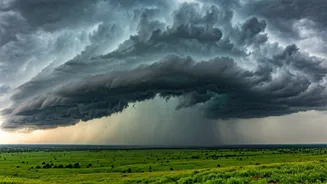




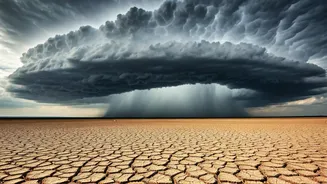




A Tale of Two Monsoons
It’s a classic case of not seeing the forest for the trees. While news feeds might show cheerful images of rain in Mumbai or other coastal cities, the national reality is far drier. The India Meteorological Department (IMD) has reported that as of the third
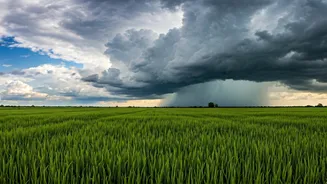
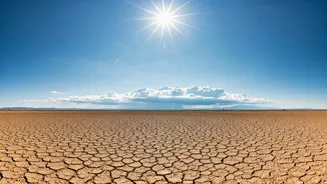
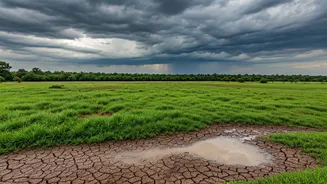
week of June, the country as a whole has received rainfall that is nearly 46% below the long-period average. The monsoon isn't a single event but a massive, country-wide weather system. Localised showers, while welcome, do not change the fact that the system's overall progress has been critically slow and weak, leaving vast agricultural belts parched and waiting.
What's Causing the Delay?
The primary culprit for this stalled monsoon is a name we heard a lot recently: Cyclone Biparjoy. The very severe cyclonic storm, which barrelled through the Arabian Sea before making landfall in Gujarat, fundamentally disrupted the monsoon's rhythm. Weather systems like the monsoon are driven by delicate balances of wind patterns and moisture. Cyclone Biparjoy acted like a giant vacuum, pulling moisture and energy away from the Arabian Sea branch of the monsoon. This effectively slammed the brakes on its northward advance after it made a subdued onset over Kerala, preventing it from reaching central and northern India on schedule.
The Regions Most Affected
The rainfall deficit is not spread evenly. The pain is most acute in the regions that are the engine of India’s agriculture. Central India is facing a staggering deficit, as are many parts of South Peninsular India and Northwest India. States like Maharashtra, Karnataka, Chhattisgarh, and Bihar, which rely heavily on monsoon rains for their Kharif crops, are among the worst hit. For millions of farmers in these regions, the delay isn't just an inconvenience; it’s a direct threat to their livelihood. Every day without rain increases the risk of a failed sowing season.
Why This Matters for Everyone
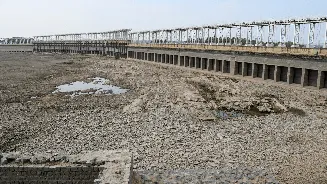
A weak monsoon has ripple effects that touch every Indian, not just farmers. The June-September rains are vital for sowing Kharif crops like rice, soybeans, and pulses, which form the backbone of our food supply. A significant delay in sowing can lead to lower agricultural output, which in turn can drive up food inflation—meaning higher prices for essentials at your local market. Beyond agriculture, the monsoon replenishes over 140 key reservoirs across the country. These reservoirs are critical for drinking water, industrial use, and hydroelectric power generation throughout the year. A poor monsoon season can lead to water shortages and power cuts months later.
Is There Hope on the Horizon?
There is a sliver of hope. With Cyclone Biparjoy having dissipated, meteorologists expect conditions to become more favourable for the monsoon to regain momentum. The IMD has forecast that the monsoon is likely to advance into more parts of Central and Northwest India in the coming days. The system now needs to play a serious game of catch-up. The next two to three weeks are absolutely critical. A strong revival could help narrow the deficit and salvage the Kharif season. However, if the rains remain weak, the economic and social consequences could be severe. For now, the entire country is anxiously watching the skies.