




What Exactly Is Ambali?
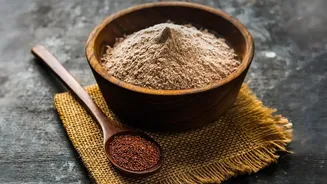
Ambali is a traditional South Indian beverage or thin porridge, with deep roots in the culinary history of states like Karnataka, Telangana, and Andhra Pradesh. At its heart, it is a simple preparation made from finger millet, famously known as ragi.
The process involves cooking ragi flour with water to form a gruel, which is then allowed to ferment naturally, often overnight in an earthen pot. This fermentation gives Ambali its characteristic mild tangy flavour and a host of health benefits. Historically, it was the food of farmers and labourers—a cooling, hydrating, and energy-sustaining meal that was inexpensive and easy to prepare. It could be consumed plain, mixed with buttermilk and salt for a savoury drink, or sweetened with jaggery.
The Probiotic Powerhouse Explained
The magic of Ambali lies in its fermentation. This age-old process transforms the simple millet porridge into a rich source of probiotics—live beneficial bacteria that are crucial for a healthy digestive system. When the cooked porridge is left to sit, naturally present microbes from the environment begin to break down the carbohydrates. This creates a thriving ecosystem of good bacteria in the drink. Consuming these probiotics helps to enhance gut flora, improve digestion, and boost immunity. Unlike many commercially available probiotic drinks that are loaded with sugar, Ambali is a natural, whole-food alternative. The fermentation also makes the nutrients within the ragi, such as iron and calcium, more easily absorbable by the body.
More Than Just Good Gut Bacteria
While the probiotic benefits are a major draw, Ambali's nutritional profile is impressive on its own. Finger millet is a powerhouse of nutrients. It is one of the best plant-based sources of calcium, essential for strong bones. It is also rich in dietary fibre, which aids in digestion, promotes a feeling of fullness, and can help with weight management. Being naturally gluten-free, ragi is an excellent grain for those with celiac disease or gluten sensitivity. Furthermore, ragi has a low glycemic index, which means it releases sugar into the bloodstream slowly, making Ambali a suitable option for those managing blood sugar levels.
From Village Staple to Cafe Star
So, how did this rustic porridge make the leap to trendy city menus? The answer lies in the growing consumer interest in wellness, gut health, and a return to traditional, indigenous foods. Urban cafes and health-food restaurants are tapping into this movement by reintroducing ancient recipes in a modern context. Ambali is now being served in stylish bowls, sometimes blended into smoothies with fruits, or offered as a savoury, spiced drink akin to a nutritious chaas. These modern interpretations make the traditional drink more accessible and appealing to a new generation of health-conscious consumers who are actively seeking out 'superfoods' with a story. It represents a perfect blend of ancestral wisdom and contemporary wellness trends.
The Larger Trend of Rediscovery
The rise of Ambali is not an isolated phenomenon. It is part of a broader cultural shift across India, where there is a renewed pride and interest in regional cuisines and forgotten grains. For years, millets like ragi, jowar, and bajra were considered 'poor man's food', overshadowed by rice and wheat. Today, they are being celebrated for their resilience, sustainability, and superior nutritional profiles. Chefs, nutritionists, and food influencers are championing these ancient grains, leading to their resurgence. Ambali's journey from a humble village meal to a coveted item in urban health cafes is a testament to this powerful movement of looking back to our roots to find solutions for modern health and lifestyle challenges.