





Understanding the Glycemic Index
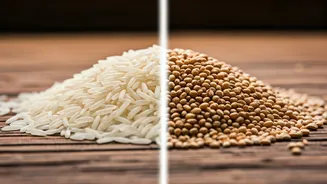
The glycemic index (GI) is a scale from 0 to 100 that ranks carbohydrate-containing foods by how much they raise blood sugar levels after eating. Foods with a high GI (70 or more) are rapidly digested and cause significant blood sugar fluctuations. White
rice falls into this category. In contrast, low-GI foods (55 or less) are digested more slowly, leading to a gradual rise in blood sugar and insulin levels. Jowar, or sorghum, has a medium GI, generally ranging from 62 to 68, which is lower than white rice and many refined wheat products. This slower release of sugar provides sustained energy and makes it a smarter choice for managing blood sugar levels, which is particularly beneficial for individuals with diabetes or those focused on weight management.
Jowar vs. White Rice: The Nutritional Edge
Beyond its favorable glycemic profile, jowar outshines white rice in several nutritional aspects. It is a powerhouse of dietary fiber, with about three times more fiber than rice. A 100-gram serving of jowar provides around 10 grams of fiber, which is crucial for digestive health, promoting regular bowel movements, and preventing constipation. This high fiber content also contributes to a feeling of fullness, which can help prevent overeating and support weight loss efforts. Jowar is also a richer source of protein, essential minerals like iron, magnesium, phosphorus, and potassium, and B-complex vitamins. Furthermore, it is naturally gluten-free, making it an excellent option for people with celiac disease or gluten sensitivity.
How to Cook Jowar Grains as a Rice Substitute
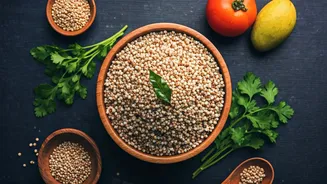
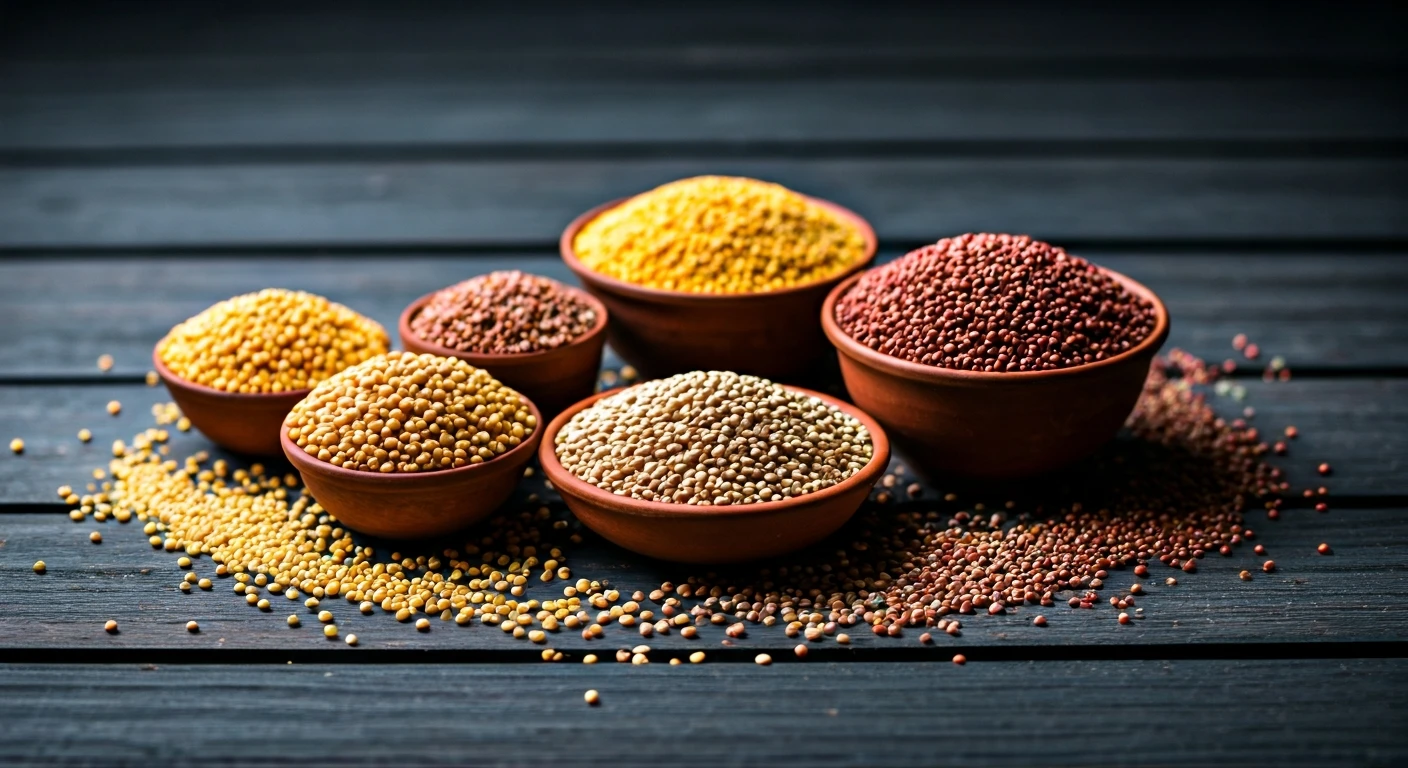
Swapping jowar for rice is easier than you might think. The key is to cook the whole jowar grains properly to achieve a soft, pleasant texture. Start by washing one cup of whole jowar grains thoroughly. Soak them in plenty of water for at least 7-8 hours or overnight. This step is crucial as it helps soften the grain and makes it easier to digest. After soaking, drain the water. Add the soaked jowar to a pressure cooker with about two and a half cups of fresh water. Cook on a medium flame for 4-5 whistles. Let the pressure release naturally before opening. The cooked jowar will be soft and can be served hot just like rice, pairing perfectly with your favorite dal, curries, or sabzi. The texture will be chewier than rice, offering a satisfying bite.
More Than a Grain: Versatile Jowar Recipes
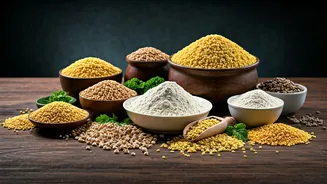
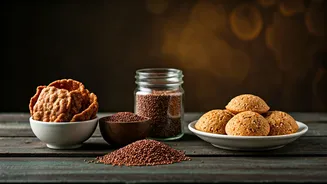
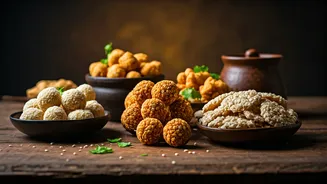
Your journey with jowar doesn't have to stop at replacing plain rice. The versatility of this millet opens up a world of culinary possibilities. Jowar flour is famously used to make bhakri or roti, a hearty flatbread that pairs well with any Indian curry. You can also make a delicious and healthy jowar upma or pulao for breakfast or a light meal, packed with vegetables for added nutrients. For those who enjoy South Indian cuisine, jowar can be used to create dosa and idli batters, often with no fermentation required. Creative recipes even include jowar porridge, khichdi, and healthy baked goods, showcasing its adaptability in both savory and sweet dishes.
Tips for a Smooth and Tasty Transition
Making a dietary change is most successful when it's gradual and enjoyable. Instead of eliminating rice completely overnight, start by substituting one meal a day with a jowar-based alternative. For instance, try having jowar rotis for dinner instead of rice. When cooking jowar grains, you can enhance the flavor by adding a pinch of salt and a teaspoon of oil to the pressure cooker. To further improve the nutritional profile and lower the overall glycemic load of your meal, always pair jowar dishes with plenty of vegetables and a source of protein like dal, paneer, or curd. Experiment with different recipes, like a savory jowar ambali (a probiotic drink) or crispy fritters, to keep your meals exciting and discover all the delicious ways this ancient grain can fit into your modern diet.