





A Farewell Feast for the Senses
The 10-day Ganeshotsav culminates in a wave of emotion and celebration during the visarjan, or immersion. While the festival is marked by prayers and pandal-hopping, the final days are defined by two things: food and travel. Across India, especially in Maharashtra,
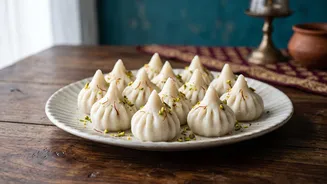
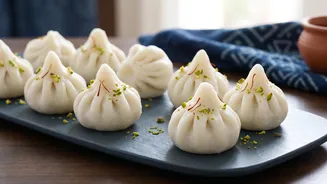
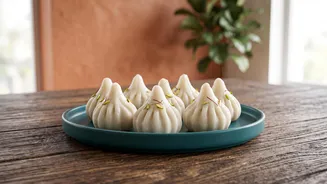
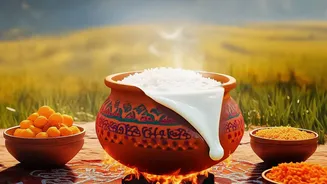
the conclusion of the festival is a deeply culinary affair. The most iconic offering, the modak, remains central throughout the festival. These sweet dumplings, with a filling of coconut and jaggery encased in steamed rice flour, are considered Lord Ganesha's favourite. But as the festival concludes on Anant Chaturdashi, the menu often shifts to comforting, nourishing meals that families share after the physically demanding immersion processions. Dishes like Varan Bhaat, a simple dal and rice topped with ghee, and Batatyachi Sukhi Bhaji with puris become staples. These meals are designed to be easy to prepare after a long day but are packed with flavour and warmth, providing a comforting end to the vibrant festivities.
The Sweet Taste of Goodbye
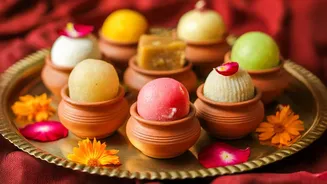
No Indian festival is complete without a generous serving of sweets, and Ganesh Visarjan is no exception. Beyond the ubiquitous modak and laddoos, other traditional sweets mark the occasion. Puran Poli, a sweet flatbread stuffed with a mixture of lentils and jaggery, is a festive favourite, especially in Maharashtrian households. Another beloved dessert is Shrikhand, a creamy, sweet dish made from strained yogurt, often flavoured with saffron and cardamom. Because it is served chilled and can be made in advance, it is the perfect, soothing treat to enjoy after returning from the crowded and energetic processions. These sweets aren't just about indulgence; they symbolise the sweetness of the memories created during the festival and the hope for Lord Ganesha’s swift return next year.
The Ultimate Pilgrimage: Mumbai's Visarjan
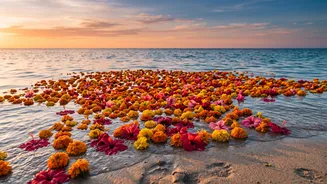
For countless devotees, the visarjan is not just a local ritual but a destination. Cities like Mumbai, Pune, and Hyderabad become major travel hubs during this period, drawing people from all over the country and even abroad. Mumbai, in particular, hosts what is arguably the most spectacular immersion ceremony in India. The city’s beaches, primarily Girgaum Chowpatty and Juhu Beach, transform into a sea of humanity. The journey to these immersion points is a festival in itself. The procession of Lalbaugcha Raja, one of Mumbai’s most revered idols, is a day-long event that winds through the city's heart. The route, which passes through areas like Lalbaug, Byculla, and Opera House, is lined with millions of devotees, making the journey a form of cultural pilgrimage. This mass movement turns the city into a living, breathing celebration of faith.
Beyond the Metropolis
While Mumbai's grandeur is legendary, the spirit of Ganesh Visarjan thrives in many other parts of India, each with its own unique flavour. Pune, with its deep historical roots in the festival, is known for its disciplined yet energetic processions and traditional 'Dhol Tasha' drum bands that create an electrifying atmosphere. The immersion ceremonies on the banks of the Mula-Mutha rivers are a sight to behold. In Hyderabad, the massive Khairatabad Ganesh idol draws enormous crowds, and its procession to Hussain Sagar Lake is a major event. Even in Goa, where the festival, known as 'Chovoth', is more of a family-oriented affair, the immersions at beaches like Miramar and Colva blend spirituality with scenic beauty, offering a different but equally profound experience. These regional celebrations showcase the diverse ways in which communities bid farewell to their beloved deity, all united by a common thread of devotion.