







From Occasion to Utility
The evolution of food delivery in India has been rapid and transformative. What started as a way to order from a few favourite restaurants for a special occasion has morphed into a daily utility for a massive urban population. Busy schedules, long commutes,
and the rise of dual-income households have made convenience a top priority. Platforms like Swiggy and Zomato have seamlessly integrated into this reality, offering not just meals but a solution to the daily question of 'what's for dinner?'. The COVID-19 pandemic acted as a significant catalyst, normalising ordering-in and shifting consumer behaviour from a discretionary treat to an everyday activity. This behavioural shift is the bedrock of its entry into our lifestyle culture, making it as routine as checking messages.
The New Social Fabric
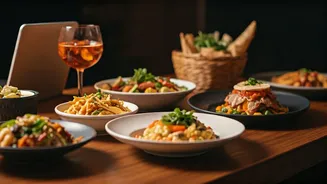
The impact extends beyond individual meals and into our social lives. Hosting friends no longer requires hours of cooking; a curated selection of dishes from multiple restaurants can be on the table with a few taps. This has redefined casual socialising, making it more spontaneous and less labour-intensive. The apps themselves are leaning into this, evolving from transactional platforms into lifestyle ecosystems. With features for table reservations like Swiggy's Dineout, event discovery, and integrated loyalty programs, they aim to be part of every food-related decision, whether you're eating in or going out. This has cemented their role not just as delivery services, but as integral partners in our social and cultural experiences.
The Engine of Convenience: Market Scale and Reach
The cultural shift is powered by staggering market growth. India's online food delivery market is projected to expand significantly, with some forecasts predicting it will reach nearly $270 billion by 2034, growing at over 21% annually from 2026. This growth isn't just happening in metros; it's rapidly expanding into Tier-2 and Tier-3 cities. This expansion is fueled by rising smartphone penetration, widespread adoption of digital payments like UPI, and a growing restaurant supply, including delivery-only 'cloud kitchens'. The platforms are no longer just acquiring new users but are seeing existing customers order more frequently, a key indicator that the service has become a habit. Late-night delivery services are also booming, catering to the changing schedules of young consumers.
The Rise of Quick Commerce
The next frontier is the convergence of food delivery with quick commerce. Platforms like Swiggy Instamart and Zomato-backed Blinkit have conditioned users to expect delivery of groceries and essentials in minutes, and now they are applying that model to food. Experimental services are aiming to deliver select food items in 10-20 minutes, further blurring the lines between a planned meal and an instant craving. This 'quick commerce-isation' is creating a comprehensive ecosystem where a single app can provide your lunch, your weekly groceries, and even a last-minute party snack, making these platforms even more indispensable in daily life.
The Other Side of the Plate
However, this unparalleled convenience has a flip side. The ease of ordering has been linked to more frequent, impulsive, and often less healthy eating choices. Health experts raise concerns that the default to high-calorie, processed foods available on these apps could contribute to lifestyle diseases. There's also the complex reality of the gig economy, where the promise of convenience for the consumer rests on the demanding schedules and uncertain income of delivery partners. Furthermore, a study by IIT Guwahati notes that the digitalisation of food culture, driven by apps and social media, is predominantly shaped by and for the urban middle and upper classes, potentially marginalising smaller, local vendors who aren't on these platforms.