






The Problem: Bland, Lifeless Food
You followed the recipe, you added salt, but the final dish just tastes flat and one-dimensional. The common assumption is that it simply needs more salt. While under-seasoning is a frequent culprit, it's often not the whole story. Good cooking is about
building layers of flavour, and salt's primary job is to enhance the flavours that are already there. If the dish lacks fundamental components, more salt will just make it taste salty, not better. The real issue is often a lack of balance, specifically a missing element like acidity, fat, or depth. Acidity from lemon juice, vinegar, or even tomatoes can cut through richness and brighten up the entire dish, making other flavours pop. Fat, like a finishing drizzle of olive oil or a knob of butter, helps carry flavour compounds across your palate. Finally, developing deep, foundational flavours through techniques like the Maillard reaction—the process of browning proteins and sugars—creates a complexity that salt alone can't replicate.
The Problem: Tough, Chewy Meat
You bought a decent cut of meat, cooked it carefully, but it still came out tough and difficult to chew. The immediate assumption is often that you bought a 'bad' or cheap cut of meat. While some cuts are inherently tougher due to more connective tissue, the real problem usually lies in the cooking method or the steps you took before and after. One of the biggest mistakes is overcooking. A meat thermometer is your best friend for hitting that perfect internal temperature. Another common error is not letting the meat rest after cooking. When you pull meat from the heat, the juices are concentrated in the centre; letting it rest for 5-10 minutes allows those juices to redistribute throughout the cut, ensuring every bite is moist. Slicing against the grain is also crucial for tougher cuts, as it shortens the muscle fibres and makes them much more tender to eat. Finally, don't underestimate the power of preparation. A simple dry brine (salting the meat ahead of time) or a marinade with an acidic component can dramatically improve tenderness.
The Problem: Soggy, Steamed Vegetables
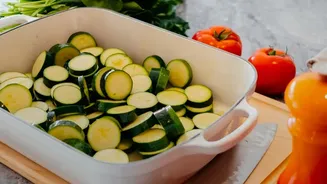
You wanted beautifully browned, crispy roasted vegetables, but ended up with a pan of soft, soggy, and pale disappointments. The easy assumption is that you simply overcooked them. While that can happen, the more likely culprit is overcrowding the pan. When you pile vegetables on top of each other, they trap moisture and end up steaming in their own liquid instead of roasting. Roasting requires hot, dry air to circulate around each piece, creating that desirable caramelization on the outside. To fix this, give your vegetables space. Use two baking sheets if you have to, ensuring everything is in a single layer. Also, make sure your oven is hot enough—typically between 400°F and 450°F. Too low a temperature will just gently bake the vegetables until they're soft. Lastly, pat your vegetables dry before tossing them with oil and seasoning to remove any excess surface moisture that could create steam.
The Problem: Inconsistent Baking Results
Your cookies come out great one day and like dry, cakey pucks the next, even when using the same recipe. It’s tempting to blame a fickle oven with hot spots or inaccurate temperatures. While oven calibration is important, a far more common reason for inconsistent baking is measuring dry ingredients like flour by volume (cups) instead of by weight (grams). A 'cup' of flour can vary significantly in weight depending on how you scoop it—whether you pack it down or lightly spoon it in. This variance can be as much as 30%, which is enough to completely change the texture of your baked goods. Investing in a simple digital kitchen scale is one of the most transformative steps a home baker can take. It eliminates guesswork and ensures your ratio of flour to fat and sugar is precise every single time, leading to consistent, reliable results.