





Why Your Grocery Routine Needs a Monsoon Makeover
The rainy season's defining features—high humidity and dampness—are challenging for food storage. Bacteria and fungi thrive in these conditions, which significantly increases the risk of foodborne illnesses. Produce wilts faster, bread moulds quicker,
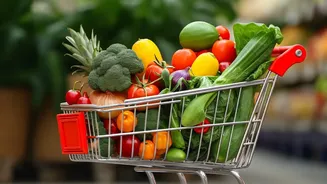
and pantry staples like flour and spices can clump together from moisture. This is why shifting from bulk buying to a 'buy less, more often' approach is crucial. Adopting a weekly or bi-weekly shopping plan ensures that perishable items are consumed while they are still fresh, minimising waste and health risks. It’s not about avoiding your favourite foods, but about being strategic with quantities and storage.
Leafy Greens: Handle with Extra Care
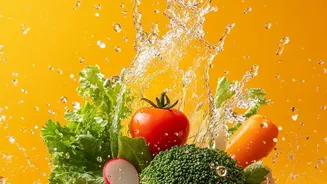
Leafy green vegetables are notoriously delicate during the monsoon. The excess moisture makes them spoil very quickly, and they can easily harbour dirt and microbes from contaminated water sources. It's best to buy only what you can consume within a day or two. Before cooking, a thorough cleaning process is non-negotiable. Soaking them in a bowl with salt or vinegar water for about 15 minutes, followed by a rinse under clean running water, can help remove germs. It is also advisable to avoid eating raw salads and instead steam or cook greens thoroughly to ensure they are safe for consumption.
Other Vegetables and Fruits: A Selective Approach
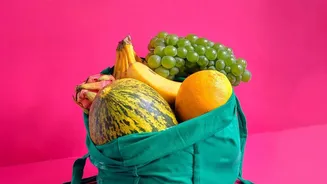
While all vegetables require care, cruciferous types like cauliflower, cabbage, and broccoli can become homes for pests in the damp weather and need careful inspection. A safer bet is to focus on seasonal gourds like bottle gourd (lauki), ridge gourd (tori), and bitter gourd (karela), which are robust during this season. When it comes to fruits, opt for seasonal choices like pomegranates, pears, plums, and jamun. These tend to have a higher shelf life and are packed with immunity-boosting vitamins. Always avoid pre-cut fruits sold by street vendors, as the risk of contamination is exceptionally high. It is always better to wash, cut, and consume fruits immediately at home.
Dairy and Meat: The High-Risk Category
Milk, paneer, curd, and other dairy products spoil much faster in the monsoon's heat and humidity. The rule here is simple: buy smaller packs more frequently and ensure they are refrigerated immediately. The same logic applies to meat and poultry. High humidity accelerates bacterial growth on raw meat, so it is vital to purchase it from a clean, reputable source and cook it within a day or two. Always store raw meat and eggs separately from other foods in the refrigerator to prevent cross-contamination.
Pantry Staples: Defending Against Dampness
The moisture in the air is an enemy to your dry pantry goods. Flours, lentils, and spices can absorb dampness, leading to mould and spoilage. It is wise to buy freshly milled flour in smaller quantities. All dry goods should be stored in airtight containers to protect them from humidity. Spices like turmeric, ginger, garlic, and black pepper are particularly beneficial during this season for their anti-inflammatory and digestive properties. Storing whole spices instead of powders can help retain their flavour and potency for longer.