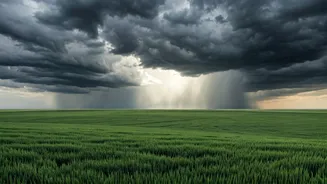




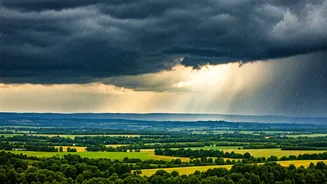




A Respite from Searing Temperatures
Until recently, vast swathes of North India, particularly Uttar Pradesh and Bihar, were reeling under severe heatwave conditions. [26, 27] Temperatures frequently soared above 40 degrees Celsius, with some areas in East Uttar Pradesh experiencing highs
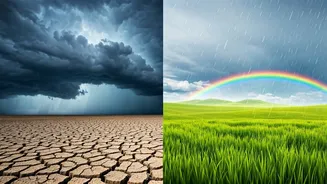
of nearly 44 degrees. [10] The arrival of the monsoon system has brought a welcome dip in temperatures, providing much-needed respite to millions of people. [19] The India Meteorological Department (IMD) has noted that conditions are now favourable for the monsoon's further advance, promising more widespread rainfall and cooler days ahead. [8, 11] While the relief is significant, some parts of UP are still contending with heatwave conditions as the monsoon establishes its grip across the entire region. [26]
Lifeblood for the Agricultural Heartland
The arrival of the monsoon is more than just a change in weather; it is the lifeline for agriculture in this fertile belt. The rains are critical for the Kharif sowing season, which had been under threat due to a significant rainfall deficit in June. [17, 24] Reports indicated a nationwide deficit of over 40%, raising concerns among farmers and prompting the government to prepare contingency plans for hundreds of districts, including many in UP and Bihar. [9, 12, 28] The delayed rains had impacted the preparation of fields for paddy, the principal crop in the region. [24] Now, with the monsoon's advance, farmers are hopeful they can accelerate sowing operations for crops like rice, maize, and pulses, which are crucial for food security and the rural economy. [21]
The Monsoon's Journey and Forecast
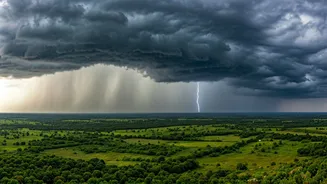
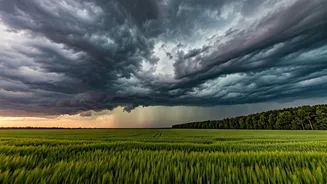
The IMD has been tracking the Northern Limit of Monsoon, which now passes through Motihari in Bihar, signalling its entry into the state. [8] According to forecasts issued around June 27th, conditions are favourable for the monsoon to cover the remaining parts of Bihar and Jharkhand and move further into Uttar Pradesh and Uttarakhand over the next few days. [11, 13] The IMD has placed Bihar on alert for heavy downpours through June 30th. [18] This advancement is part of a broader revival of the monsoon, which had stalled after its initial onset, leading to one of the driest Junes on record. [9] A developing system in the Indian Ocean is expected to help the monsoon push deeper into northern India. [22]
Navigating the Challenges Ahead
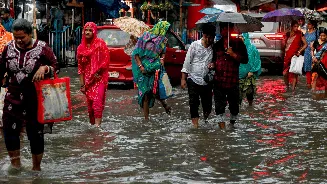
While the rains bring relief, they also present potential challenges. Heavy rainfall in a short period can lead to waterlogging in urban centres and poses a risk of localised flooding, particularly in low-lying areas. The IMD has issued warnings for heavy to very heavy rainfall in Sub-Himalayan West Bengal and Sikkim, which border Bihar, highlighting the intensity of the current system. [15] As the monsoon strengthens, authorities will need to monitor river levels and manage water resources effectively to mitigate flood risks while maximising the benefits of the rainfall for agriculture and replenishing groundwater levels. The government has already identified several districts in both states as being vulnerable to rainfall variations and has directed them to implement contingency plans. [29]