




You don't need a gym or fancy equipment to get a great cardio workout. The simple act of walking, when structured correctly, can be a powerful fitness tool right in your living room, offering convenience without sacrificing results.
The Undeniable Benefits of Walking Indoors
Walking is one of the
most accessible forms of exercise, and bringing it indoors adds a layer of convenience that is hard to beat. At-home walking workouts are weatherproof, meaning rain, heat, or snow won't derail your plans. They are completely free and require no special equipment, making them incredibly budget-friendly. This form of exercise is also low-impact, which is gentler on your joints compared to walking on hard pavement. Regular walking helps improve cardiovascular health, lower blood pressure, reduce stress, and can contribute to weight management. It is a safe, efficient, and beginner-friendly way to build a consistent fitness habit without anyone watching.
Mastering the Foundational Moves
An effective at-home walking workout is built on a few core movements. The most basic is marching in place. To do this correctly, stand tall with your spine extended, as if a string is pulling you up from the crown of your head. Engage your core and lift one knee towards your waist, then lower it and switch to the other leg. Swing your arms naturally, with the opposite arm moving with the opposite leg. Other simple moves to incorporate include side steps, where you step out to one side and bring your other foot to meet it, and knee lifts, which are an exaggerated version of a march. Focusing on good posture not only prevents backaches but also helps you breathe more deeply for increased energy.
A Simple 20-Minute Beginner Routine
Starting a new routine should be straightforward. Here is a simple 20-minute walking workout you can try today, no equipment needed. Warm-Up (3 minutes): Start with a gentle march in place. Keep your pace relaxed and focus on your breathing. After a minute, incorporate some gentle arm circles and shoulder rolls. Main Set (15 minutes): Increase your marching pace to a brisk walk. Alternate between different movements every 2–3 minutes to keep your muscles engaged. Try a sequence of: - Brisk marching in place - Side–to–side steps - Forward and backward steps (taking two steps forward, two steps back) - High knees (lifting knees higher than a standard march) Cool–Down (2 minutes): Gradually slow your marching pace back to a gentle walk. Finish with some light stretching for your legs, focusing on your calves and hamstrings.
How to Keep Your Workouts Engaging
The biggest challenge with any home workout can be boredom. Fortunately, there are many ways to keep your indoor walks interesting. Listening to upbeat music, a compelling podcast, or an audiobook can make the time fly by. You can also set up your phone or television to watch a show or follow along with one of the thousands of free guided walking workouts available online. These videos often include motivating instructors and varied choreography, mixing in moves like hamstring curls and skaters to create a more dynamic session that feels less like a workout and more like a fun activity.
Progressing and Increasing Intensity
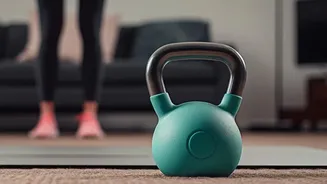
Once you feel comfortable with the basics, you can start to challenge yourself. One of the easiest ways to increase intensity is to incorporate intervals: alternate between one to two minutes of fast–paced walking and one minute of slower recovery. You can also increase the duration of your workouts, gradually adding five minutes at a time. For an added strength challenge, consider holding light hand weights (1–3 lbs) to perform movements like bicep curls or shoulder presses while you walk. Adding ankle weights or a weighted vest can also make each step more physically demanding, but be sure to maintain good form to avoid injury.