

Decoding the 'Healthy Oil' Aisle
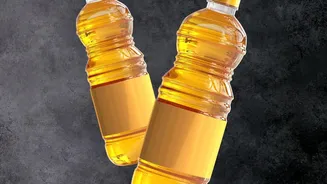
Let's break down the terms on the label. Unsaturated fats are the 'good fats' found in plants and are liquid at room temperature. They are divided into monounsaturated (MUFA) and polyunsaturated (PUFA) fats. Both are essential for heart health. The term 'cold-pressed'
refers to how the oil is extracted. It's a mechanical process using low temperatures, which avoids the high heat and chemical solvents used for refined oils. This gentle extraction method is crucial because it preserves the oil's natural nutrients, antioxidants, vitamins, and a balanced fatty acid profile, which are often destroyed during industrial refining. In essence, a cold-pressed oil is the most natural and nutritionally complete version of the oil you can get.
Your Heart's Defense System
When we talk about 'cardiovascular defense systems', we're referring to the body's natural mechanisms for protecting the heart and blood vessels. A primary defense is managing blood cholesterol levels. You want to lower 'bad' LDL cholesterol, which can build up in arteries, and maintain or raise 'good' HDL cholesterol, which helps clear it away. Another key defense is controlling inflammation, as chronic inflammation is a known risk factor for heart disease. Finally, maintaining the health and flexibility of your blood vessels is vital for healthy blood pressure and circulation. The right dietary fats play a significant role in supporting all of these functions.
How Unsaturated Fats Mount a Defense
Replacing saturated fats (found in fatty meats and full-fat dairy) with unsaturated fats is a proven strategy for heart health. Studies show this swap can reduce the risk of cardiovascular disease by up to 30%, an effect comparable to some cholesterol-lowering medications. Polyunsaturated fats, particularly omega-3 and omega-6 fatty acids, help lower LDL cholesterol, reduce triglycerides (another type of fat in the blood), and can help lower blood pressure. Monounsaturated fats are also excellent for lowering LDL cholesterol while preserving beneficial HDL levels. Furthermore, the natural antioxidants like Vitamin E and polyphenols preserved in cold-pressed oils help fight oxidative stress, which protects LDL particles from being modified into a more harmful form.
Best Cold-Pressed Oils for the Indian Kitchen
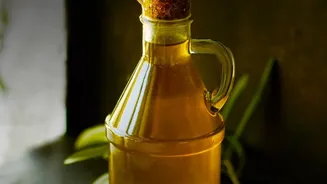
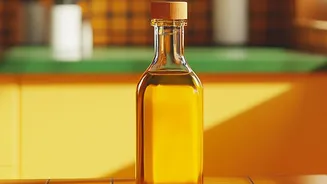
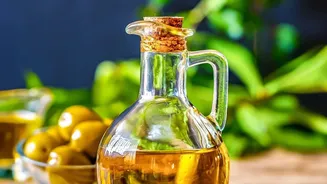
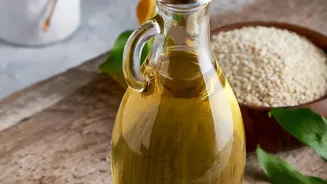
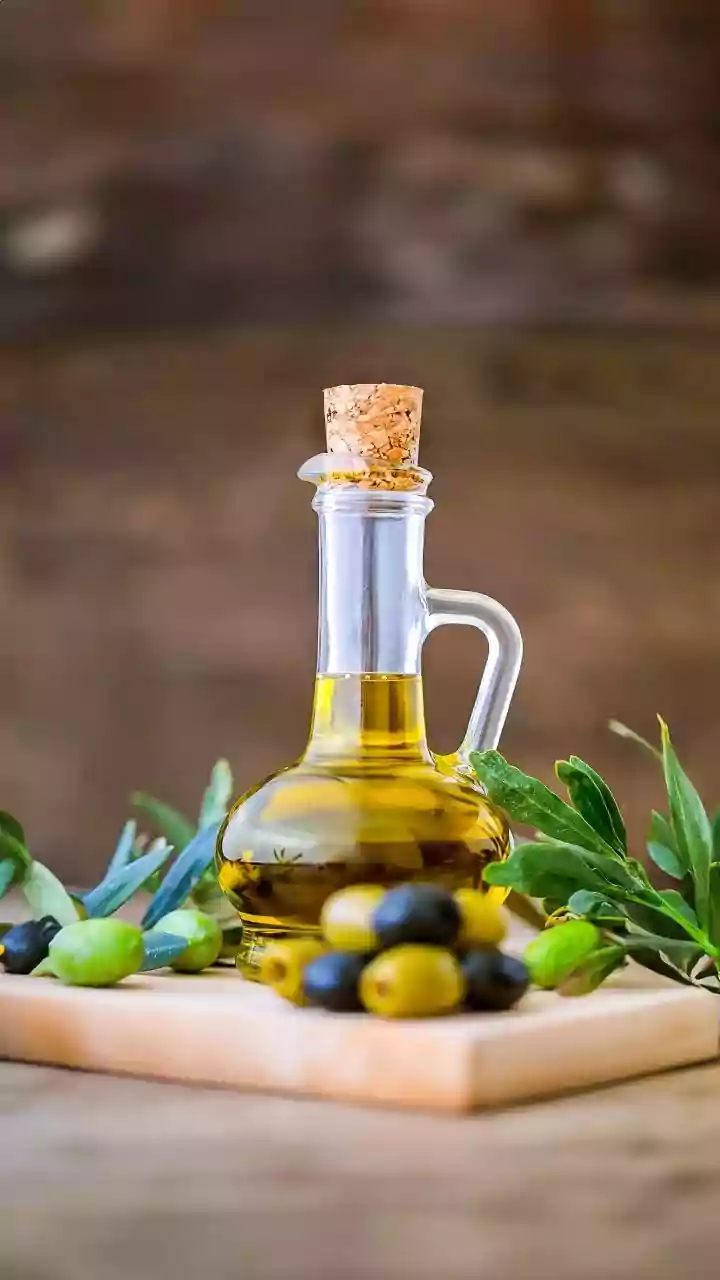
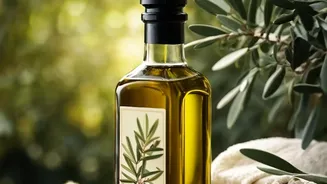
The good news is that many heart-healthy oils are staples in Indian cooking. Cold-pressed mustard oil is a fantastic choice, with a good balance of MUFAs and PUFAs, a favourable omega-6 to omega-3 ratio, and stability at higher cooking temperatures. Cold-pressed groundnut (peanut) oil, rich in MUFAs, is also great for daily cooking and even high-heat methods like frying. Cold-pressed sesame oil, widely used across India, is packed with antioxidants and is great for sautéing. While extra virgin olive oil is a well-known heart-healthy MUFA source, it's best reserved for dressings and low-heat cooking. The key is to have a variety of oils and use them appropriately.
Making the Switch: Simple & Practical Tips
Incorporating these oils doesn't require a complete diet overhaul. Start by replacing your refined oil with a cold-pressed alternative like groundnut or mustard oil for your daily sabzis and dals. Use cold-pressed sesame or olive oil to make your own salad dressings instead of buying bottled versions. When using any oil, even a healthy one, moderation is key, as all fats are high in calories. A good practice is to rotate between two or three different types of cold-pressed oils through the week. This ensures you get a wider range of beneficial fatty acids and nutrients. This simple change moves your cooking oil from being just a source of fat to an active, protective component of your diet.