





From Sightseeing to 'Feeling'
For decades, travel often meant a whirlwind tour of famous monuments and photo opportunities. Today, younger Indians, particularly Gen Z and millennials, are rewriting the rules. Instead of a pre-planned checklist, they are driven by a desire for unique,
personal experiences. This marks a structural shift from traditional itineraries to immersive journeys. It’s no longer about just visiting a destination; it's about engaging with its soul. A recent report highlighted that for many young travellers, the experience itself is now the primary motivation, with 56% stating that exploring different cultures is a main driver for their journeys.
What Drives This Cultural Shift?
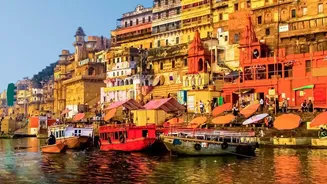
Several factors are fuelling this trend. There's a growing desire for authenticity, a reaction against the mass-produced, commercialised tourism of the past. For this generation, travel is an act of self-expression, with 87% stating that how they travel reflects who they are as a person. This search for meaning is also steering them towards their own roots. Recent data shows a massive 84% of Indian travellers are choosing to explore the culture within India. This inward turn is driven by social media, but not in the way you might think. Instead of just replicating famous shots, platforms are used for discovery, with YouTube and heritage trails inspiring trips to explore regional food, crafts, and festivals.
The Rise of the 'Thoughtful' Traveller
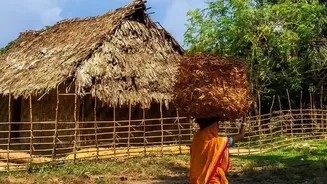
This new approach is inherently more thoughtful. Mindful travel encourages a deeper connection with a place by being fully present and making intentional choices. This translates into a more sustainable and responsible form of tourism. A staggering 88% of Indian travellers now consider sustainability when making choices. This isn't just about environmentalism; it’s a broader understanding that includes supporting local economies and preserving cultural heritage. Young travellers are actively choosing homestays over hotels, eating at local eateries, and buying directly from artisans, ensuring their spending benefits the community directly. This approach helps preserve endangered traditions and provides sustainable livelihoods.
Experiences Over Itineraries
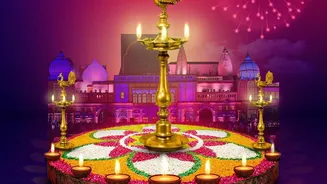
So, what does this look like in practice? It means planning a trip to Kolkata to witness Durga Puja, or to Maharashtra for Ganesh Chaturthi. It’s choosing a journey based on attending a local craft workshop in Rajasthan or a food trail in Kerala. According to a Skyscanner report, 67% of Indian travellers now plan their trips around heritage, festivals, and food. The destination is becoming secondary to the experience. Travellers are seeking out community-based tourism initiatives, like guided city walks or agricultural stays, that offer genuine cultural immersion. This has given rise to a new ecosystem of travel companies and platforms that curate these niche, authentic experiences, connecting travellers with local hosts and unique stays.