



The New Travel Itinerary
There’s a quiet revolution reshaping how Indians explore their own country. The typical vacation, once a straightforward choice between a mountain getaway, a beach resort, or a city tour, is becoming more diverse. Today’s travellers are increasingly driven
by a desire for unique, immersive experiences that connect them with nature and culture. A recent report highlighted that tourism demand has significantly broadened beyond traditional leisure, with rural and wildlife segments seeing a major uptick. This isn't just about escaping the city; it's about finding something more meaningful, whether that’s tracking a tiger in its natural habitat or learning about local traditions in a village homestay. This change reflects a deeper evolution in what people value in their time off: authenticity over accessibility, and memorable encounters over mere sightseeing.
Answering the Call of the Wild
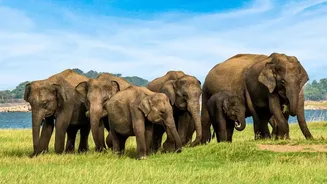
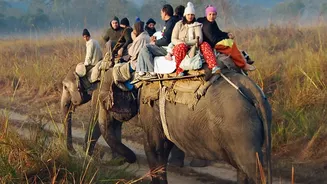
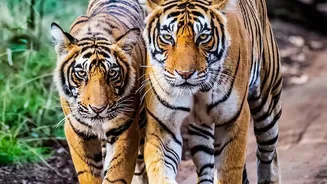
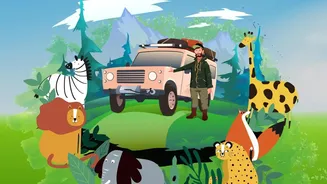
Wildlife tourism is no longer a niche interest for hardcore enthusiasts; it has gone mainstream. Destinations like Ranthambore in Rajasthan and Jim Corbett in Uttarakhand continue to be popular, but travellers are also venturing to less-crowded parks like Tadoba in Maharashtra and Satpura in Madhya Pradesh. The focus is also evolving beyond just the thrill of a tiger sighting. Modern travellers are interested in birding, understanding the ecosystem, and engaging in conservation-led activities. This surge is supported by an expanding network of eco-lodges and resorts that offer immersive nature experiences, moving beyond just safaris to include naturalist-led walks and community interactions. This trend suggests a growing appreciation for India’s rich biodiversity and a willingness to engage with it responsibly.
The Charm of Village Life
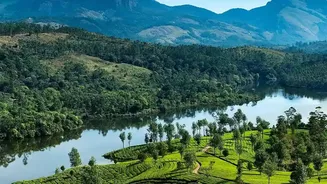
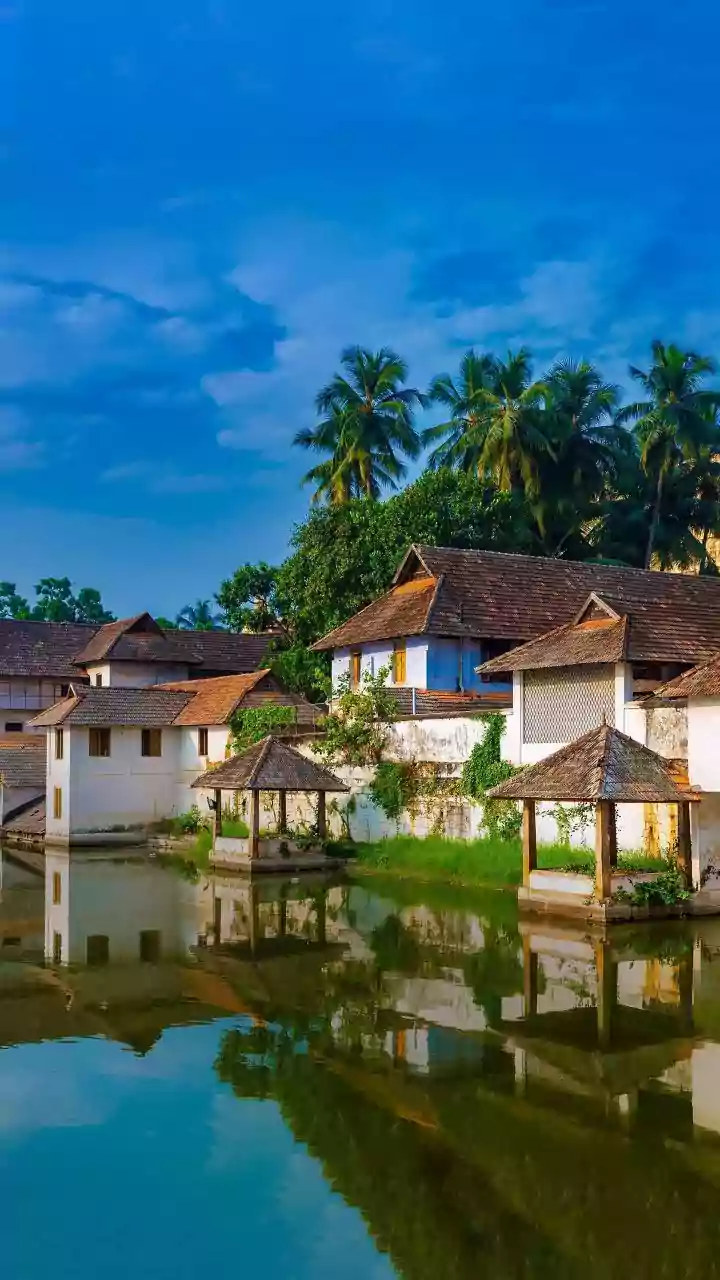
The idea that 'true India resides in its villages' is becoming a travel mantra. The rise of rural tourism and homestays is one of the most significant trends, transforming how travellers experience the country's cultural fabric. States like Kerala, Rajasthan, and Himachal Pradesh have become hubs for homestays, where visitors choose authentic local living over conventional hotels. This model offers a win-win: travellers get a genuine taste of local life, cuisine, and culture, while host communities gain a direct source of income, which helps preserve their heritage and reduces migration to cities. With an estimated shortage of over 2 lakh hotel rooms in India, low-cost and scalable homestays are also a practical solution to meet growing demand, especially in remote but beautiful locations.
Why the Shift Away from the Obvious?
Several factors are driving this tourism realignment. The post-pandemic era has left travellers with a greater desire for open spaces and less crowded destinations. Furthermore, government initiatives like 'Dekho Apna Desh' have played a crucial role. Initially launched in 2020 and expanded as 'Dekho Apna Desh 2.0', the campaign actively encourages Indians to explore lesser-known domestic locales, with a special focus on rural, heritage, and eco-tourism. The government is working with states and industry partners to develop these alternative destinations, aiming to relieve pressure on saturated hotspots. Social media also plays a part, as platforms like Instagram and YouTube showcase unique, offbeat experiences, inspiring younger travellers to seek out the undiscovered.
A More Sustainable Path Forward
This shift towards rural and wildlife tourism holds immense promise for a more sustainable and inclusive travel economy in India. By spreading tourism's economic benefits more evenly, it empowers local communities, creates jobs, and provides a strong incentive for preserving both natural and cultural heritage. However, the growth is not without challenges. It's crucial to manage the influx of tourists to fragile ecosystems and ensure that the 'authentic' experiences don't become overly commercialised. The goal, as outlined by government initiatives, is to manage visitor flows and carrying capacity sustainably. If managed well, this trend can do more than just change itineraries; it can foster a deeper respect for India’s incredible diversity and ensure its preservation for generations to come.