







A Ritual Steeped in Memory
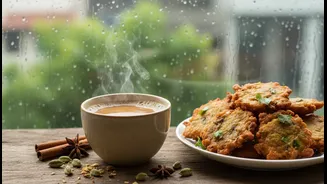
For many across India, the connection between rain and pakoras is a story written over a lifetime. It’s a form of associative learning, where the brain links two separate experiences that repeatedly happen together. Think back to childhood: rainy days
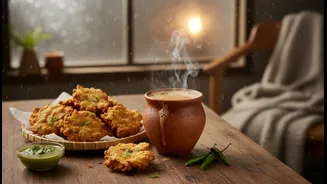
often meant a break from outdoor play, with the family gathering indoors. The sound of rain became the backdrop to the sizzle of batter hitting hot oil and the aroma of ginger brewing in tea. These weren't just snacks; they were part of a comforting ritual tied to family, safety, and joy. This powerful sense of nostalgia is a key trigger. When the familiar scent of the first rain—known as petrichor—hits the air, it does more than just signal a change in weather; it unlocks these deep-seated emotional memories. Your brain isn't just asking for a snack; it's seeking to recreate that feeling of comfort and connection.
The Science of a Gloomy Day
Beyond nostalgia, there's a biological reason for your cravings. The lack of sunlight on overcast monsoon days can cause a dip in serotonin, a crucial neurotransmitter that helps regulate mood. Lower serotonin levels can lead to feelings of sadness and fatigue, prompting your body to seek a quick fix. This is where carbohydrate-rich foods like pakoras come in. Consuming carbs can temporarily boost serotonin production, creating a fleeting feeling of calm and happiness. Fried, fatty foods also trigger the release of dopamine, the brain's “pleasure” chemical, making the experience feel rewarding and reinforcing the craving cycle. In essence, that plate of pakoras acts as a form of self-medication, a way for your brain to counteract the gloomy weather's effect on its chemistry.
An Instinct for Warmth and Contrast
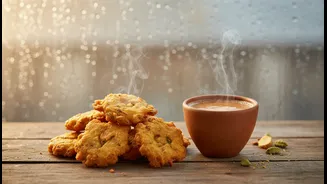
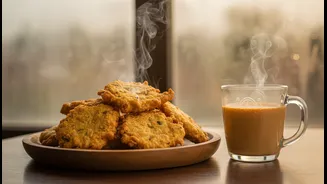
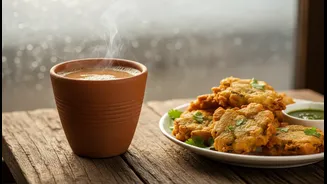
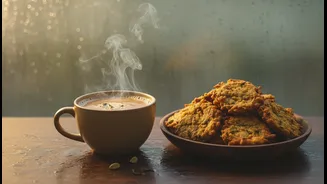
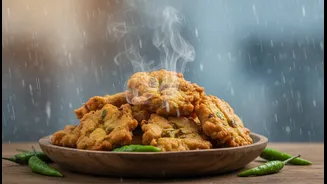
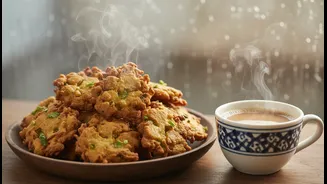
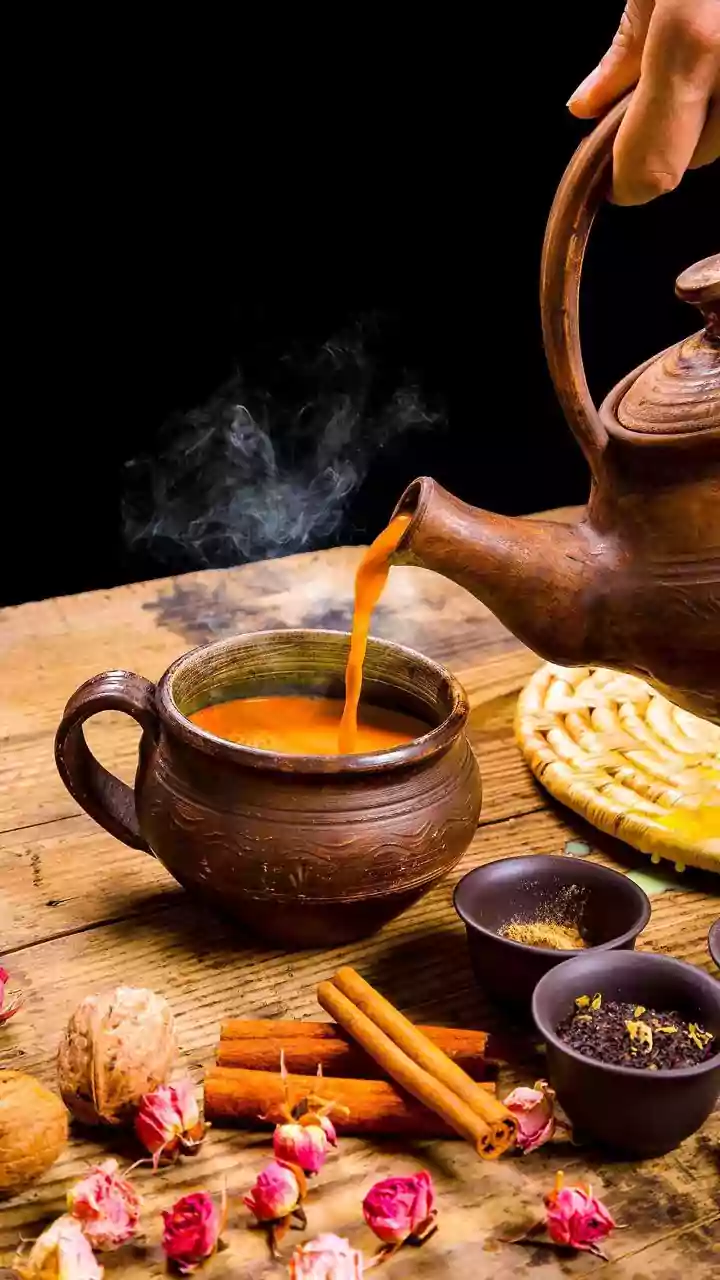
The monsoon brings a welcome drop in temperature, but it also introduces dampness and humidity. In response, our bodies instinctively seek warmth. A steaming cup of chai and freshly fried pakoras provide an immediate, comforting heat that counters the cool, clammy environment. There is also a sensory satisfaction at play. The crispy, crunchy texture of a pakora offers a delightful contrast to the general dampness of the season. This textural experience is a significant part of why these snacks are so enjoyable during the rain compared to, say, a hot summer day. The combination of hot, crispy, and spicy food creates a powerful sensory experience that feels intensely satisfying when the world outside is wet and sluggish.
The Ancient Wisdom of Ayurveda
Interestingly, this modern craving aligns with some principles of ancient Ayurvedic wisdom for the monsoon season, or 'Varsha Ritu'. Ayurveda suggests that during this time, the body's digestive fire, or 'Agni', is naturally weaker. The season is also associated with an aggravation of the 'Vata' dosha, which can lead to issues like bloating and indigestion. To counteract this, Ayurveda recommends eating warm, light, and easily digestible foods. While deep-fried snacks are generally advised against in excess, the use of digestive spices like ginger, cumin, and black pepper—all common in chai and pakora batter—is encouraged to support digestion. The emphasis on warm, freshly cooked meals over cold or raw foods also resonates with the monsoon snacking tradition. So, while a daily indulgence might not be recommended, the core elements of the craving—warmth and digestive spices—have roots in seasonal health practices.