


The Power of Acidity
Acidity in cooking is about much more than just a sour taste. It's a functional element that balances flavour, changes texture, and enables chemical reactions. Think of it as a brightness control for your food. A squeeze of lemon or a dash of vinegar
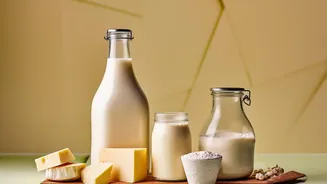
can cut through the richness of a fatty dish, making it feel lighter and more palatable. In marinades, acidic ingredients like yogurt (dahi) or tamarind (imli) work to tenderise proteins by breaking down tough fibres. This is why marinades for kebabs or tandoori chicken are often yogurt-based. Acidity also plays a crucial role in leavening; when an acid like buttermilk or lemon juice reacts with an alkaline ingredient like baking soda, it produces carbon dioxide gas, which gives dishes like dhokla and bhatura their characteristic light, fluffy texture.
Making Smart Acidic Swaps
When substituting one acidic ingredient for another, consider its flavour profile and form. Lemon juice provides a bright, clean citrus note, perfect for finishing dals or salads. If you're out, lime juice is an excellent swap. Amchoor (dry mango powder) offers a tart, slightly pungent kick that works beautifully in spice rubs and chaat masala, where you want the sourness without adding extra liquid. Tamarind provides a deeper, fruitier tang essential for South Indian classics like sambar and rasam. For a creamy sourness, dahi is your go-to, but if you don't have it, a mix of milk and a splash of vinegar or lemon juice can mimic buttermilk in a pinch for baked goods. Each of these ingredients—from tomatoes to kokum—brings a unique character, so the best substitute depends on whether you need a sharp finish, a complex tang, or a tenderising agent.
The Function of a Binder
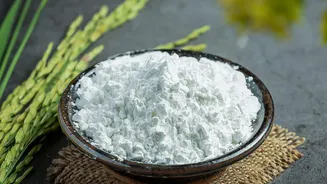
Binding agents are the glue that holds your food together. They provide structure and prevent dishes like koftas, patties, and kebabs from falling apart during cooking. Binders work by creating a starchy or protein-based network that traps moisture and holds all the other ingredients in place. The most common binder is an egg, which provides moisture, fat, and protein that coagulates when heated, creating a stable structure. However, in Indian vegetarian cooking, many other ingredients masterfully perform this role. Flours like besan (gram flour) and starches like cornflour or potato starch are frequently used. They absorb excess moisture and become gelatinous when cooked, effectively binding the mixture.
Choosing the Right Binding Substitute
When you need to substitute a binder, think about the texture and flavour you want to achieve. Besan is a fantastic binder for pakoras and cheelas, lending a nutty flavour and creating a dense, satisfying texture. Mashed potatoes or soaked breadcrumbs are excellent for vegetarian cutlets and kebabs, providing moisture and a soft structure. Cornflour, when mixed with a little cold water, is a powerful thickener for soups and sauces, but it can also be used as a binder. It creates a slightly different, smoother texture compared to besan. For gluten-free baking or binding, ground flaxseeds or chia seeds mixed with water can form a gel that mimics the properties of an egg. Even rice flour or oat flour can be used in a pinch to help thicken a gravy or bind a patty.