





The Science of the Craving
That pull towards a hot bowl of *gajar ka halwa* or fresh-jalebis isn't just in your head; it's rooted in biology. The overcast skies and reduced sunlight during monsoon can lead to a dip in serotonin, a brain chemical that regulates mood. [1, 4, 15]
Carbohydrate-rich and sweet foods can help boost serotonin production, providing a temporary lift in spirits and a feeling of calm. [3, 7] Furthermore, as the temperature drops, our bodies instinctively seek calorie-dense foods to generate heat and maintain energy levels, a holdover from our evolutionary past when extra calories were essential for survival in colder conditions. [1, 2] A warm dessert provides both the quick energy from sugar and the physical warmth that feels so comforting on a damp, chilly day.
A Spoonful of Nostalgia
Beyond the chemical reactions, warm desserts are deeply intertwined with our memories and emotions. [1] For many, the aroma of a specific sweet simmering on the stove evokes powerful feelings of nostalgia—of childhood, family gatherings, and feeling cared for. [1, 3] A hot bowl of *kheer* or *payasam* might transport you back to your grandmother's kitchen, a place of safety and comfort. [9, 17] This connection between food and positive memories is a significant psychological driver. [8] The act of eating these desserts becomes a way to reconnect with those cherished moments, offering emotional solace that is just as important as the physical satisfaction. [10]
A Sensory Contrast to the Gloom
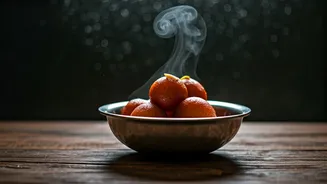
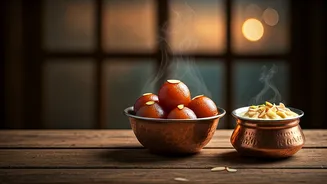
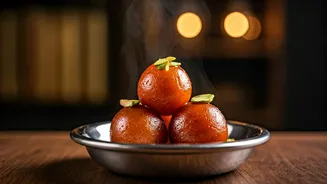
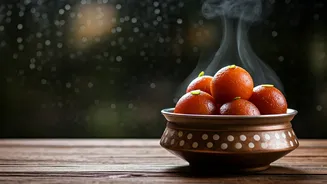
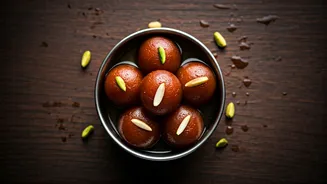
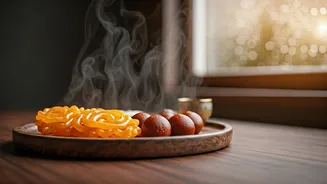
The monsoon is a feast for the senses, but the constant dampness and grey skies can also lead to feelings of lethargy or what some call the "monsoon blues". [22] A warm dessert offers a delightful sensory contrast. The sight of steam rising from a *gulab jamun*, the feeling of a warm bowl in your hands, and the rich, sweet aroma filling the air all work together to create an experience of cosiness and indulgence. [2, 20] This sensory ritual provides a grounding, comforting counterpoint to the wet and gloomy weather outside. [3] The very act of preparing and eating a warm dessert encourages a slower, more mindful moment of pleasure, a welcome pause during a season that can sometimes feel emotionally heavy. [1, 3]
India's Favourite Monsoon Indulgences
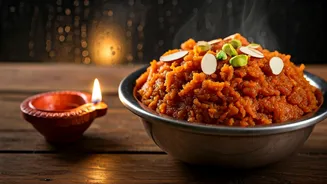
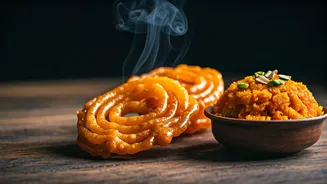
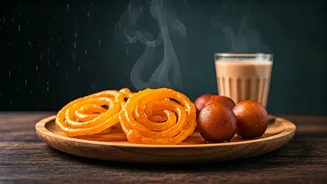
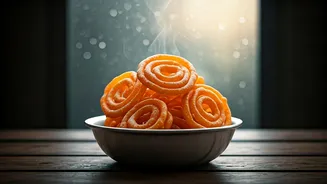
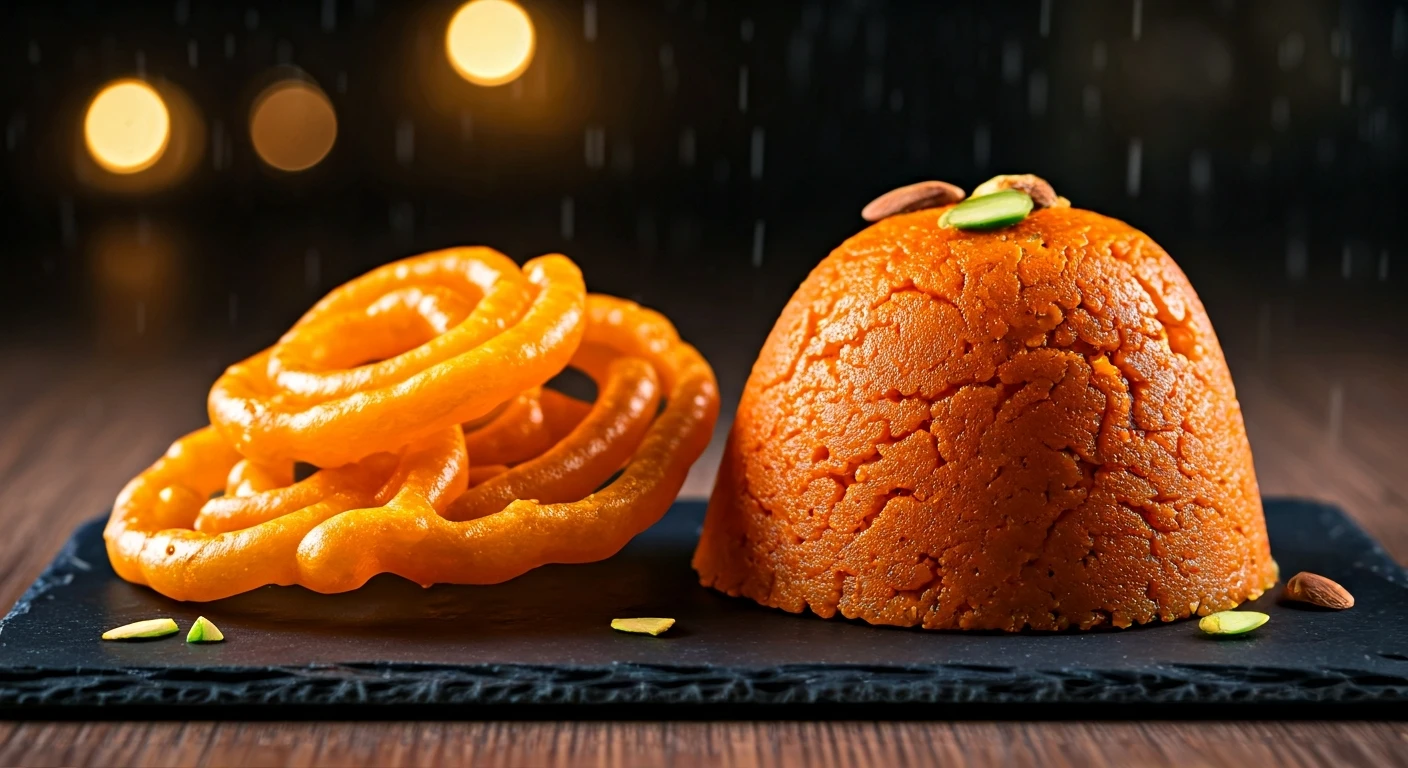
The craving finds its perfect answer in India's rich culinary traditions, which feature an array of desserts perfectly suited for the season. *Gajar ka Halwa*, slow-cooked with carrots, milk, and ghee, is a classic winter and monsoon comfort food. [17] Hot, crispy *Jalebis*, straight from the fryer and dripping with syrup, are a street-food staple that tastes even better when it's raining. [9, 17] Soft *Gulab Jamuns* soaked in warm, fragrant syrup offer a melt-in-the-mouth experience that feels like a hug in a bowl. [9, 20] Another favourite is *Malpua*, a soft, pancake-like dessert fried in ghee and often served with rabri, providing a rich and satisfying treat. [9, 17] These desserts, and many others like Moong Dal Halwa and Patishapta, are not just food; they are a cultural celebration of the season. [9, 18]