

The Science of Shrinking Clothes
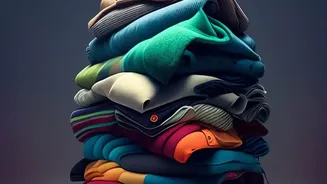
Air extraction bags, also known as vacuum-seal or compression bags, work on a simple principle: removing trapped air. Clothing and other soft items like towels and jackets are surprisingly full of air pockets between their fibres. By placing your items in the bag,
sealing it, and then removing the air—either by rolling it out through a one-way valve or using a small manual or electric pump—you dramatically reduce their volume. The contents are compressed into a dense, flat block that takes up significantly less room. This process can shrink bulky garments by as much as 60-80%, turning a pile of sweaters into a manageable slab that easily slides into your suitcase.
The Main Advantage: More Room for Everything
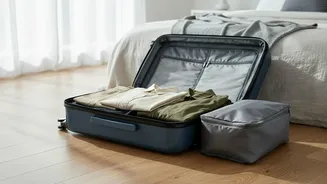
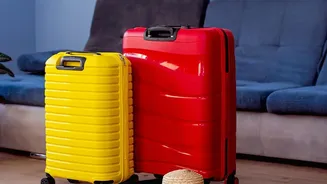
The most obvious benefit of using these bags is the incredible amount of space you save. For travellers trying to stick to a carry-on or those heading to cold climates with bulky winter gear, this can be a game-changer. That puffer jacket, three thick sweaters, and extra pair of trousers that once took up half your suitcase can be compressed to a fraction of their size. This frees up valuable real estate for other essentials like shoes, toiletries, or souvenirs you plan to bring back. It also makes organising your suitcase much easier, as compressed items form solid, stackable blocks instead of a loose pile of clothes.
Beyond Space: Protection and Organisation
Air extraction bags offer more than just compression. The airtight seal provides excellent protection against moisture, dust, and odours. This is perfect for adventure travel where your bag might be exposed to rain, or for keeping clean clothes fresh and separate from dirty laundry on the journey home. If you're travelling to a humid destination, the bags prevent mildew from forming on stored clothes. They also help with organisation, allowing you to group outfits or types of clothing together. You can pack a bag for each family member or categorise items by day, making it easier to find what you need without unpacking your entire suitcase.
The Drawbacks: Wrinkles and Weight
While effective, these bags are not without their downsides. The biggest complaint is wrinkles. The intense compression can lead to deep-set creases, especially in natural fibres like cotton and linen. They are generally not recommended for delicate fabrics like silk or structured items like blazers. Another crucial point is that while they reduce volume, they do not reduce weight. In fact, because you can fit so much more into your bag, it's very easy to accidentally exceed airline weight limits for both carry-on and checked luggage, leading to expensive fees. Finally, bags that require a pump mean you must bring it with you to re-pack for your return trip, and roll-up bags can be less effective at removing all the air.
Best Practices for Smart Compression
To get the most out of air extraction bags without the drawbacks, follow a few simple tips. First, use them primarily for bulky, soft items that are less prone to wrinkling, such as jumpers, hoodies, jackets, and socks. For more delicate items, rolling them before placing them in the bag can help minimise sharp creases compared to folding. Be careful not to overfill the bags; this puts stress on the seal and can cause it to leak air over time. Most bags have a fill line to guide you. Finally, always have a luggage scale handy to check your bag’s weight after packing to avoid any costly surprises at the airport.