




The Age-Old Mystery of Size and Lifespan
For years, the inverse relationship between size and lifespan in dogs has puzzled scientists and saddened owners. In the wider animal kingdom, larger species like elephants and whales typically outlive smaller ones like mice. But within the single species of
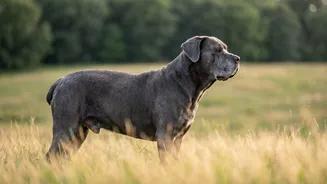
Canis familiaris, the opposite is true. A Great Dane might live for only 8 to 10 years, while a poodle can comfortably reach 15. This has long been attributed to a vague idea of 'ageing faster', but the biological mechanics remained unclear. Researchers believed the rapid growth of large-breed puppies put a strain on their bodies, possibly leading to higher cancer rates and accelerated cellular wear and tear. A new study brings this long-standing mystery into sharp focus at the genetic level.
Epigenetics and 'Jumping Genes'
Researchers at Arizona State University, working with the Dog Aging Project, analysed the DNA of nearly 900 dogs from over 120 breeds. They didn't just look at the DNA sequence itself, but at the 'epigenome' — a layer of chemical tags on the DNA that control which genes are turned on or off. One of their key discoveries involves something called DNA methylation, a process that silences certain DNA segments. With age, this methylation process weakens. This is especially true for sections of DNA called 'jumping genes' or transposable elements. These genes can copy themselves and move around the genome, potentially causing damage and instability that contributes to ageing and disease. A healthy cell keeps these jumping genes locked down, but as a dog ages, that control slips.
A 'Live Fast, Die Young' Strategy
The study revealed a clear and direct link between a dog's size and how quickly it loses control over these jumping genes. Larger breeds were found to lose the chemical tags that suppress these genes significantly faster than smaller breeds. Specifically, giant breeds lost about 35% more of this genetic regulation per year on a major family of jumping genes called LINE1s. This suggests that the selective breeding for rapid growth in large dogs came with a biological trade-off. Their bodies invest heavily in getting big quickly, but at the expense of long-term cellular maintenance and the tight regulation of their DNA. This faster epigenetic ageing provides a compelling molecular reason for their shorter lifespans and increased susceptibility to age-related diseases like cancer.
A Surprising Twist: The Sex Difference
One of the most unexpected findings was how male and female dogs age differently at this molecular level. The researchers found that age-related changes linked to a dog's sex were concentrated on the X chromosome. Male dogs (XY) accumulated age-related changes on their single X chromosome faster than female dogs (XX) did. The study noted that certain 'jumping genes' on the X chromosome were more heavily methylated, or silenced, in males than in females. This suggests that female dogs may experience higher activity of these specific genetic elements, a complex finding that researchers are still working to understand fully. It points to the idea that male and female dogs follow slightly different biological paths to old age, a nuance that was previously unknown.
What This Means For Your Dog
While these findings are a major leap in understanding canine ageing, they don't change the day-to-day advice for caring for your pet right now. What this science does is reinforce the importance of proactive healthcare, particularly for large breeds. Knowing that they are biologically ageing faster underscores the need for regular veterinary check-ups to catch age-related conditions like cancer and orthopaedic issues early. It also helps explain why a balanced diet and maintaining a healthy weight are so critical for big dogs, as it reduces the overall stress on a body that is already working overtime. This research gives us a deeper appreciation for the unique biological journey of our canine companions, allowing us to provide more informed and compassionate care throughout their lives.