




The Starting Point: Global Crude Oil Prices
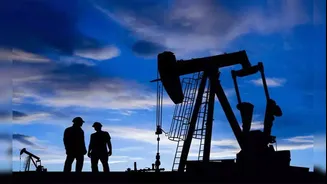
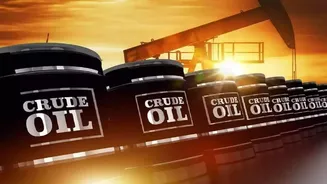
The entire process begins with crude oil, the raw material for petrol and diesel. India imports over 85% of its crude oil needs, making it highly vulnerable to global price shifts. The price of this crude oil is not arbitrary; it's based on international
benchmarks, with Brent crude being a key one for India. When geopolitical events, changes in global demand, or decisions by oil-producing nations cause Brent crude prices to rise, the fundamental cost for India increases immediately. This price is what Indian oil companies pay before a single drop is refined.
The Currency Factor: The Rupee-Dollar Dance
All international crude oil transactions are settled in U.S. dollars. This introduces another major variable: the USD-INR exchange rate. Even if the price of crude oil remains stable, a weakening rupee means Indian companies have to spend more rupees to buy the same number of dollars. For example, if the rupee depreciates, the cost of importing oil goes up, adding to the financial burden on oil companies even before taxes are considered. This imported inflation is a crucial, often overlooked, part of the puzzle.
The Middlemen: Role of Oil Marketing Companies
Once the crude oil is purchased and imported, it goes to refineries. In India, this process is managed by Oil Marketing Companies (OMCs) like Indian Oil (IOCL), Bharat Petroleum (BPCL), and Hindustan Petroleum (HPCL). These companies refine the crude oil into finished products like petrol and diesel. Under the current deregulated system, OMCs are supposed to adjust the base price of fuel daily, based on the international crude price and the exchange rate from the preceding period. This price, known as the 'price charged to dealers', includes the cost of crude, refining, freight, and a margin for the OMCs.
The Government's Share: A Tale of Two Taxes
Taxes are arguably the most significant component of the retail fuel price in India, often accounting for nearly half of what consumers pay. There are two primary layers of taxation. First, the central government levies a fixed excise duty on each litre of petrol and diesel. This includes several components like basic excise and cesses for infrastructure. Second, state governments impose a Value Added Tax (VAT), which is typically charged as a percentage of the total price (base price + excise duty + dealer commission). Because VAT is a percentage, its absolute value increases when the base price or central taxes rise, compounding the effect on the final price. This is also why fuel prices vary significantly from one state to another.
The Final Price and The Ripple Effect
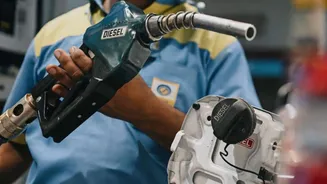
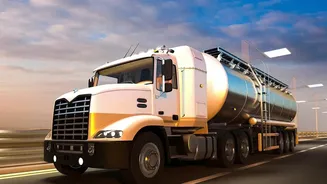
The price you see at the pump is the sum of all these parts: the initial crude price modified by the exchange rate, the costs and margins of OMCs, a commission for the petrol pump dealer, the central government's excise duty, and the state government's VAT. When global oil prices surge, the pressure builds. While OMCs or the government might absorb the cost temporarily to shield consumers, sustained high prices eventually lead to a hike in retail prices. The impact doesn't stop at the fuel station. Higher diesel prices directly increase transportation costs for everything from food and vegetables to consumer goods and raw materials. This 'second-order' effect pushes up costs for businesses, which is then passed on to consumers, leading to broader inflation across the entire economy.