



The Losing Game of Trend-Chasing
Fast fashion thrives on speed and volume. New styles appear weekly, designed to make you feel that what you bought last month is already outdated. This business model relies on producing clothes as quickly and cheaply as possible, which often means quality
is the first thing to be sacrificed. The result is a wardrobe full of pieces that may look great on the hanger but quickly lose their shape, fade, or fall apart after just a few washes. Instead of getting caught in this cycle of buying, wearing, and discarding, a more sustainable and satisfying strategy is to shift your focus from ephemeral trends to enduring function. By training your eye to spot what’s missing, you can quickly identify poorly made garments and invest in pieces that will actually last.
The Case of the Missing Pockets
It’s a frustration many are familiar with: you buy a stylish pair of trousers or a chic jacket, only to discover the pockets are fake or too small to hold anything more than a single key. The lack of functional pockets, especially in womenswear, is a classic sign of cutting corners. Real, deep pockets require more fabric and more complex construction—details that add cost and time to the production process. For fast fashion brands, it's easier to sew a flap that merely suggests a pocket. When shopping, always check if the pockets are real and usable. Can they comfortably fit your phone or your hands? This small detail is a huge indicator of whether a garment was designed for decoration or for a practical, modern life.
Lining: The Unseen Hero
A garment’s interior is often more telling than its exterior. A quality lining in a blazer, skirt, or pair of trousers serves multiple purposes: it helps the garment hang properly, prevents the outer fabric from clinging, adds a layer of comfort against the skin, and protects the seams. In fast fashion, lining is frequently skipped to save money. A jacket might be unlined, making it feel flimsy, or a dress might be made of a thin, see-through fabric without a slip layer. When you’re considering a purchase, turn the item inside out. Check for a lining. If there is one, is it made of a breathable material like cotton, or a cheap, static-prone polyester that will feel clammy? A well-lined piece is a sign of thoughtful construction.
Fabric That Fails the Test
The feel of the fabric is your first clue to its quality. Fast fashion often relies on thin, synthetic materials like polyester and acrylic that are cheap to produce. Hold the garment up to the light. If it’s transparent or feels flimsy, it’s unlikely to be durable. Natural fibres like cotton, linen, and wool generally hold up better over time. However, the real test is the composition label. A jumper marketed as a “cashmere blend” might contain only 5% cashmere and 95% synthetic material. The marketing can be misleading, but the label tells the truth. Additionally, check for pilling on the fabric, especially in high-friction areas. If it's already pilling in the store, it won't survive long in your wardrobe.
Weak Seams and Shoddy Stitching
Another area where costs are cut is in the stitching. Gently pull at the seams of the garment. If you see large gaps or the thread looks strained, the seam is weak and likely to come apart. High-quality clothing has a high stitch density—meaning more stitches per centimetre—which creates a stronger, more durable seam. Loose, widely spaced stitching is a sign of rushed manufacturing. Also, look for loose threads and uneven or crooked seams. A well-made garment will look neat and tidy both inside and out. Details like reinforced stitching at stress points, such as around pockets and zippers, are another hallmark of quality that is often missing from fast fashion.
Flimsy Zippers and Fragile Buttons
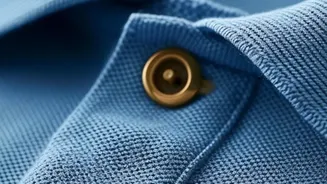
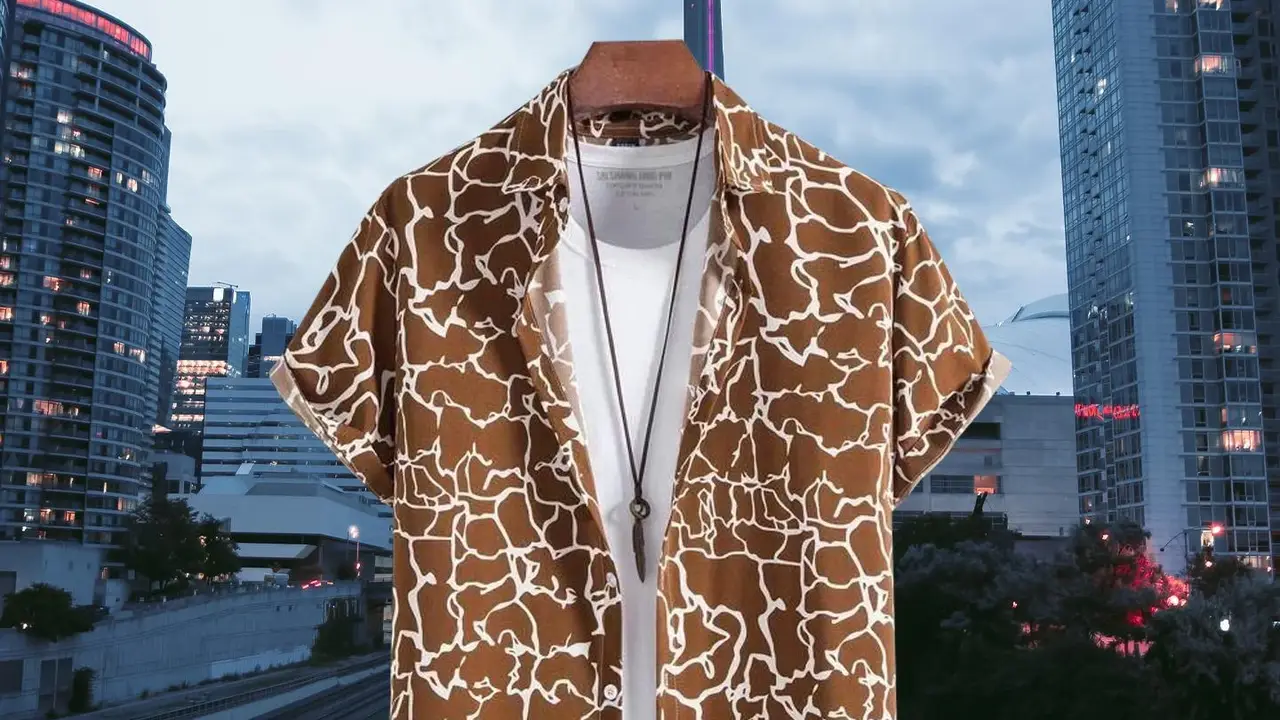
Hardware—the buttons, zippers, and clasps—is a final, crucial checkpoint. Fast fashion items often use cheap, lightweight plastic zippers that are prone to snagging and breaking. A quality garment will typically feature a sturdier metal zipper. Check the buttons. Are they sewn on securely, or are they dangling by a thread? Look for a spare button sewn onto the care label; it’s a small but significant sign that the manufacturer expects the garment to last. Pattern matching is another detail to watch for. On a striped or plaid shirt, for instance, do the lines match up where the seams meet? This takes extra time and fabric, so fast fashion brands often skip it entirely.