

The Great Escape from City Lights
Life in a bustling metropolis comes with endless opportunities, but it also comes at a cost. One of the most overlooked consequences of rapid urbanisation is light pollution. Constant artificial brightness from streetlights, buildings, and advertising
billboards creates a perpetual twilight, obscuring the stars and disconnecting us from the natural world. Studies have shown that cities like Delhi, Mumbai, and Bengaluru are among the most light-polluted in India, with artificial brightness levels dozens of times higher than natural darkness. This pervasive light doesn't just steal the stars; it can disrupt our sleep patterns and overall well-being. As a result, a new kind of traveller is emerging: one who seeks not just a change of scenery, but a change of sky.
What Exactly Is a Dark-Sky Reserve?
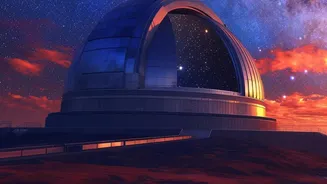
A Dark-Sky Reserve is an area of public or private land that possesses an exceptional quality of starry nights and is protected for its scientific, natural, and cultural value. Certified by organizations like DarkSky International, these reserves work to minimise light pollution through community policies and responsible lighting design. The goal is to preserve the natural nocturnal environment for wildlife and for human wonder. In a significant step for astrotourism in the region, India established its first-ever Dark Sky Reserve in Hanle, Ladakh. Located in the remote Changthang region, Hanle is home to the Indian Astronomical Observatory and boasts some of the darkest, clearest skies in the country, making it a prime destination for this growing travel niche.
The Unique Magic of Winter Stargazing
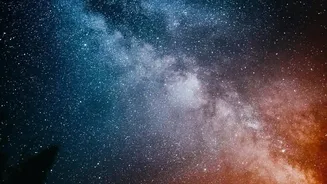
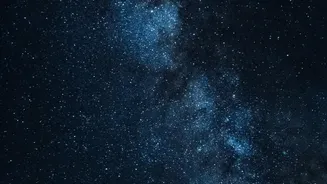
While stargazing is a year-round activity, winter offers a particularly spectacular show. There are a few simple scientific reasons for this. First, cold winter air holds significantly less moisture and humidity than warm summer air. This results in clearer, more transparent skies, allowing starlight to travel to our eyes with less distortion. The haze and pollutants that often plague summer skies are less prevalent, making the stars appear sharper and brighter. Second, the nights are simply longer, providing a much larger window for observation. Peak stargazing can begin as early as 6 p.m., rather than requiring a late-night commitment. Finally, Earth's position in the galaxy during winter means we are looking away from the dense, hazy centre of the Milky Way and towards its outer edge, where individual stars stand out more distinctly against the dark backdrop.
More Than Just a Pretty View
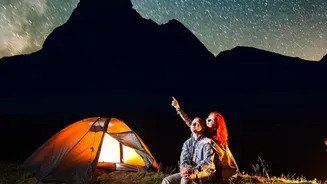
The appeal of travelling to a dark-sky location goes beyond the astronomical sights. It taps into a deep-seated need for quiet, reflection, and connection. The simple act of looking up at a vast, star-filled sky can induce a state of awe, which has been shown to reduce stress and promote emotional well-being. It's a form of mindfulness, forcing you to disconnect from screens and daily anxieties and be present in the moment. Gazing at the cosmos provides a profound sense of perspective, reminding us that we are part of something much larger than our everyday concerns. This cosmic retreat can improve sleep, calm the nervous system, and reignite a sense of curiosity and wonder that often gets lost in the routine of urban life.
Planning Your Celestial Getaway
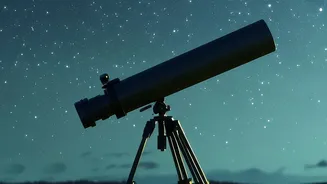
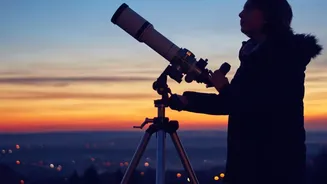
Inspired to see the stars for yourself? Planning a trip to a dark-sky location is easier than you might think. While official reserves like Hanle in Ladakh offer a world-class experience, many other remote locations in states like Himachal Pradesh, Uttarakhand, and Gujarat also offer incredible night skies. Astrotourism is a growing field in India, with companies and travel groups dedicated to helping people experience the cosmos. When you go, be sure to pack warm clothes, especially for a winter trip. A good pair of binoculars can dramatically enhance your view, and a stargazing app on your phone (used with a red filter to preserve night vision) can help you identify constellations. The most important tip, however, is to simply allow yourself to disconnect and look up.