



The Universe in Your Hand
The barrier to entry for amateur astronomy has traditionally been high, requiring significant investment in equipment and a steep learning curve. However, a new wave of smartphone applications has completely changed the game. Apps like Star Walk 2, SkyView,
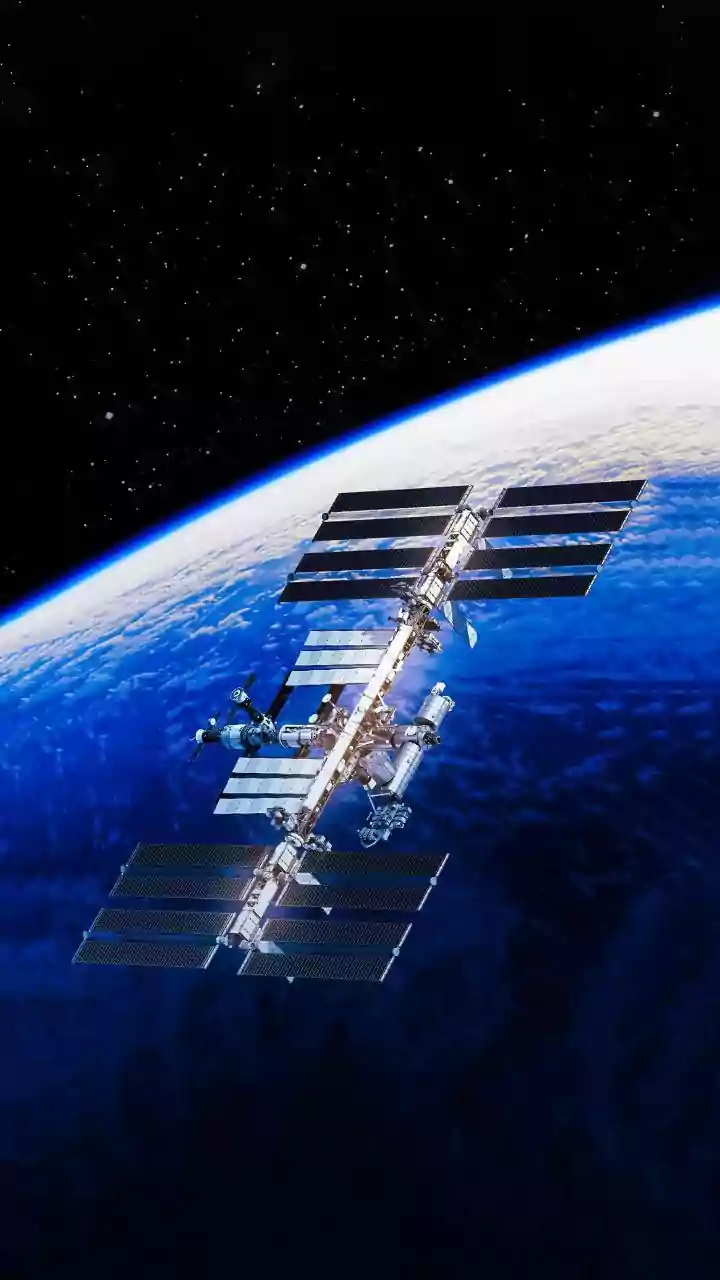
and Stellarium Mobile have effectively placed a powerful astronomical tool in the hands of millions. The core feature of these apps is deceptively simple: just point your phone at the sky. Using your device's built-in GPS and compass, the app overlays a detailed map onto your screen, identifying stars, constellations, planets, and even satellites like the International Space Station in real-time. What was once a frustrating search for a faint celestial object is now an instantaneous, interactive experience.
More Than Just a Digital Map
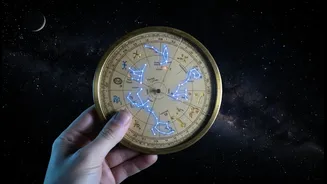
Beyond simple identification, these applications offer a rich suite of features that deepen the user's engagement. Many incorporate augmented reality (AR), allowing you to see the celestial map overlaid directly on your camera's view of the sky, blending the digital with the real world. They come packed with information, offering details on the mythology behind constellations, the scientific data of distant galaxies, and 3D models of planets and their moons. Furthermore, these apps act as a personal astronomical assistant. They send notifications for upcoming events like meteor showers, eclipses, or optimal viewing nights. For aspiring astrophotographers, some apps even provide tools to help plan the perfect shot, turning a casual interest into a creative hobby. This combination of education and utility makes exploring the cosmos more engaging and less intimidating than ever before.
Democratising a Timeless Hobby
This technological shift is fueling a resurgence in amateur astronomy, particularly among younger demographics. The hobby is no longer the exclusive domain of those with expensive equipment or specialised knowledge. Anyone with a smartphone can now step outside, look up, and begin their journey of cosmic discovery. This accessibility is fostering a new community of stargazers who might have otherwise been deterred. In India, where interest in space has been steadily growing, these apps are a crucial gateway. They are empowering a generation that is digitally native and curious about the world, connecting them with one of humanity’s oldest pastimes. The trend is visible from urban balconies in Mumbai and Pune to the darker skies of the Himalayan regions, as more people embrace stargazing.
From Screen Time to Sky Time
In an era where screen time is often seen as a source of disconnection from the natural world, night sky apps offer a compelling counter-narrative. They use technology not as an escape, but as a bridge to the world around us. The app becomes a tool that encourages users to go outdoors, find a dark spot, and simply look up. This trend aligns with a growing interest in astro-tourism, where people travel to locations with minimal light pollution for better views of the stars. In India, destinations like Ladakh, now home to a designated Dark Sky Reserve, are becoming hotspots for this activity. Amateur astronomy clubs, some of which have existed for decades, are also finding new life as these apps bring fresh enthusiasts into the fold, connecting online interest with real-world meetups and 'star parties'.