


What Is a 'Planetary Alignment'?
First, let's clear up a common misconception. When we say “planetary alignment,” it doesn’t mean the planets are forming a perfectly straight line in space. That's an incredibly rare event. Instead, it refers to a phenomenon from our perspective here
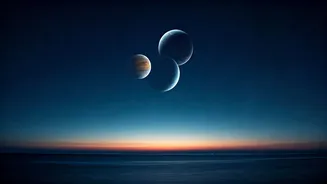
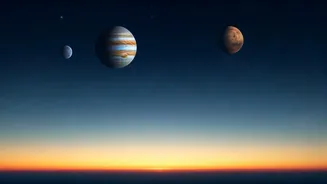
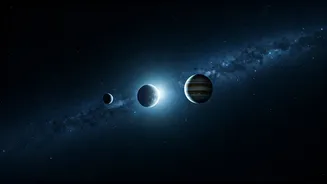
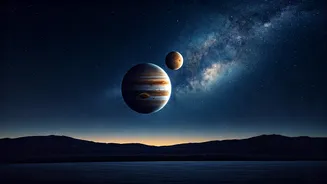
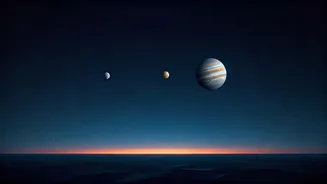
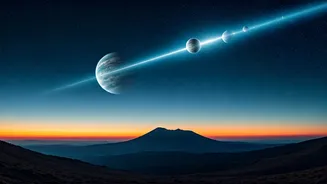
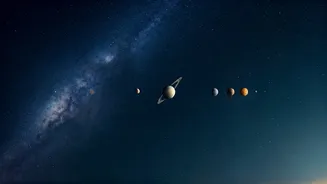
on Earth. From our vantage point, several planets appear close together in a small sector of the sky. This visual grouping is often called a conjunction or, more informally, a planetary parade. These events happen because all the planets in our solar system orbit the Sun on a relatively flat plane, like marbles rolling on a giant disk. As they travel at different speeds, they occasionally appear to pass each other in our night sky, creating beautiful and temporary patterns.
Meet the Stars of This Show
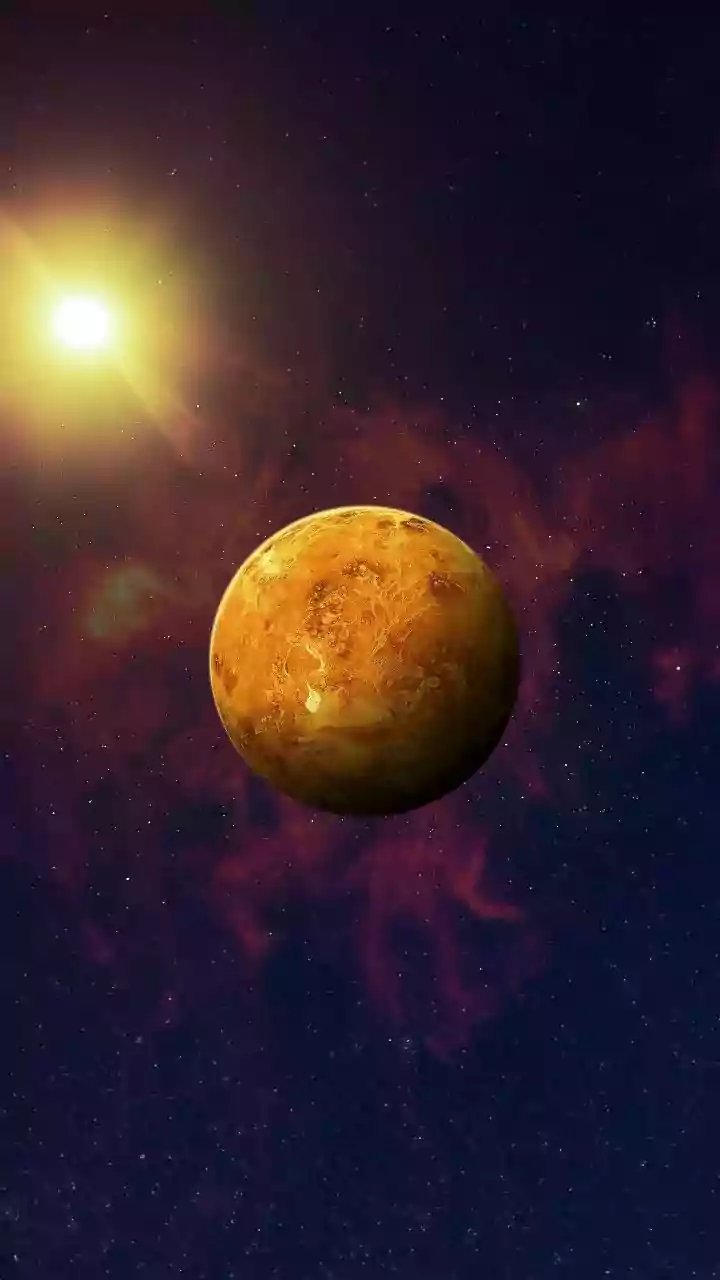
This particular celestial event features three fascinating planets. The brightest of the trio will likely be Venus, often called the 'Evening Star' or 'Morning Star' because of its brilliant, steady light. It’s impossible to miss once you spot it. Then there’s Jupiter, the largest planet in our solar system. It also shines brightly, appearing as a very bright, unwavering star. The trickiest one to spot is Mercury. As the closest planet to the Sun, it never strays far from its glare in our sky. It’s often low on the horizon and visible for only a short window after sunset or before sunrise. Seeing Mercury is a real treat for any skywatcher, and having it appear alongside the two other bright planets makes this event particularly noteworthy.
Your Viewing Guide from India
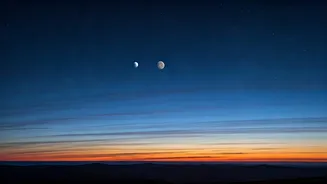
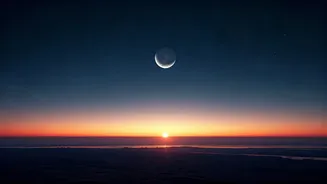
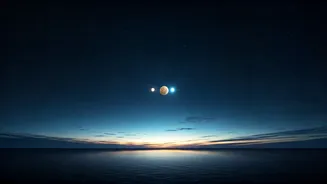
This alignment is a twilight event, meaning your best chance to see it is during a small window of time. The key is to start looking about 30 to 45 minutes after the sun has completely set. The planets will be visible in the western sky, the same direction where the sun went down. Because the headline rightly notes they are 'low on the horizon,' your choice of viewing spot is critical. You need a location with an unobstructed view to the west. Think open fields, a terrace, a beach, or a hilltop—anywhere buildings or trees won't block your line of sight near the ground. The planets will follow the sun's path and set within an hour or so, so the viewing window is brief. Be ready and on time.
Tips for the Best Experience
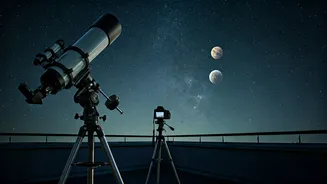
You don’t need any fancy equipment to enjoy this show; the beauty of this alignment is that it’s a naked-eye event. However, a few tips can enhance your experience. First, get away from city lights if you can. Light pollution washes out fainter objects, and while Venus and Jupiter are bright, a darker sky will make the whole scene more dramatic and might help you spot the dimmer Mercury. Second, give your eyes time to adjust to the darkness. It takes about 15-20 minutes for your pupils to fully dilate, which will help you see more celestial detail. If you have a pair of binoculars, bring them! While not necessary, they will give you a closer look and might even reveal Jupiter's four largest moons, which appear as tiny pinpricks of light flanking the planet.
Why You Should Take a Moment to Look
In our busy lives, it's easy to forget to just stop and look up. Celestial events like this planetary gathering are a perfect excuse to do so. They are a beautiful, free, and accessible reminder of the cosmic dance happening above our heads every single moment. This isn't an astrological event with hidden meanings; it's a simple, elegant display of orbital mechanics. It's a chance to connect with the universe, share a moment of wonder with family and friends, and appreciate the scale and beauty of our solar system from our own backyard. For a few minutes, you can watch worlds that are millions of kilometres away appear to cluster together in a fleeting, silent spectacle.