



The Grand Objective: Why Bring Back Moon Rocks?
The primary goal of Chandrayaan-4 is to collect lunar soil and rock samples and return them safely to Earth for scientific study. If successful, India will join an exclusive club of nations — the United States, the former Soviet Union, and China — that
have accomplished this feat. The samples, expected to weigh around two to three kilograms, will be invaluable. Scientists believe the permanently shadowed craters of the lunar South Pole hold frozen water ice. Studying these pristine samples on Earth, using advanced instruments not available on a rover, could unlock secrets about the Moon's history, the origins of water in our solar system, and the potential for utilizing lunar resources for future missions. ISRO is even establishing a dedicated Curation Facility with clean rooms to handle and preserve the precious cargo without contamination.
An Orchestrated Dance in Space: The Mission Plan
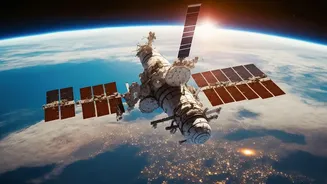
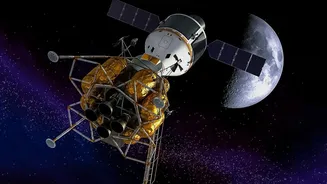
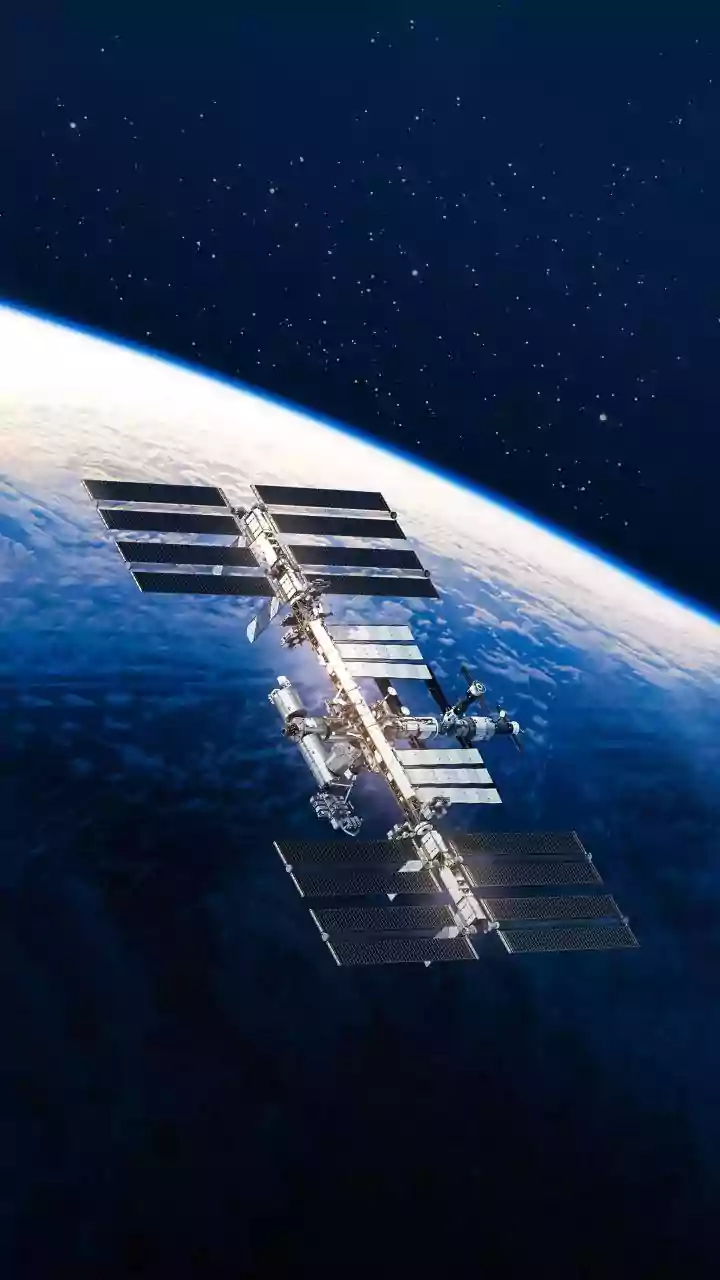
Chandrayaan-4 is ISRO's most complex mission to date, described as a meticulously choreographed dance involving five separate modules. Due to its massive weight, the mission will require two separate launches using India's powerful LVM3 rockets. The first rocket will carry the Descender Module (the lander) and the Ascender Module. The second will carry the Transfer Module, Re-entry Module, and Propulsion Module. These two stacks will first perform a rendezvous and dock in Earth's orbit — a critical maneuver ISRO will be demonstrating. From there, the integrated spacecraft will travel to the Moon. In lunar orbit, the lander and ascender will separate and head for a soft landing near the South Pole.
On the Surface: Collection and Liftoff
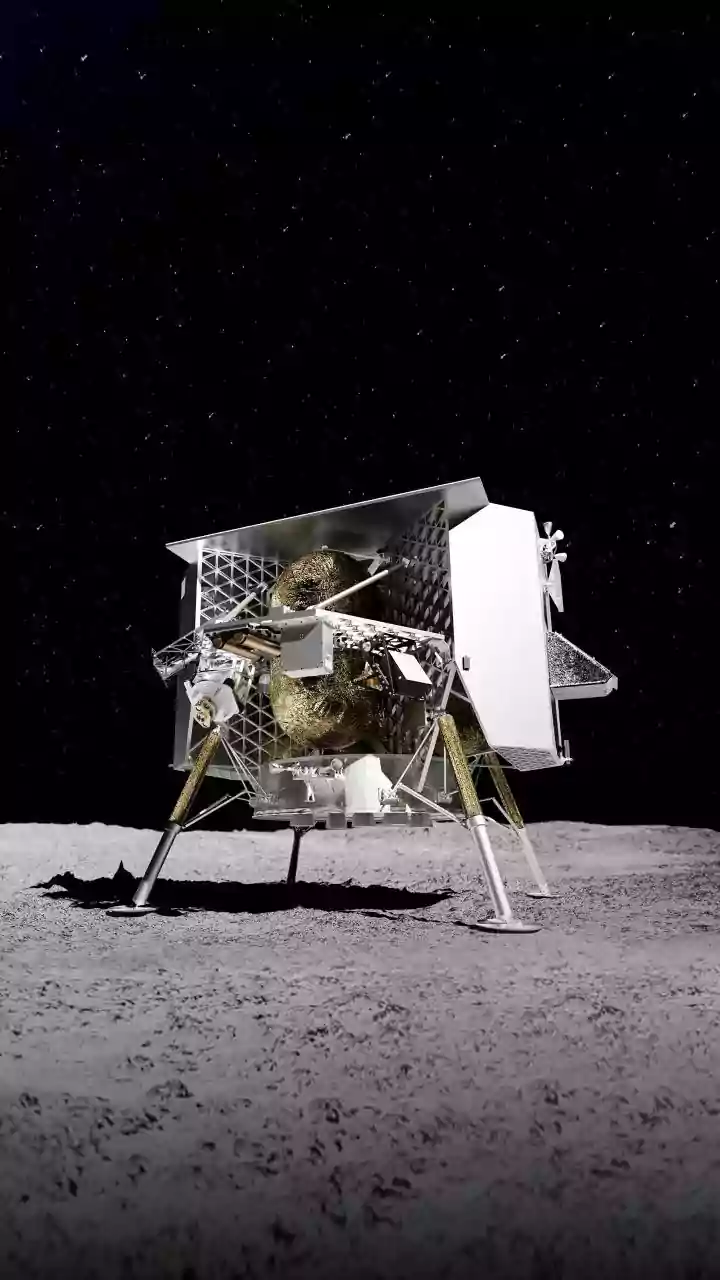
Once safely on the Moon, the mission enters its most crucial phase. A robotic arm on the lander will scoop up surface soil, while a drilling mechanism will collect samples from beneath the surface. These samples will be sealed in leak-proof containers and transferred to the Ascender Module. This module will then achieve what no Indian spacecraft has done before: it will launch itself off the lunar surface, effectively acting as a mini-rocket. This ascent is a massive technological hurdle, but one that ISRO has been preparing for, having demonstrated a small 'hop' with the Chandrayaan-3 lander as a proof of concept. The Ascender will then need to rendezvous and dock with the Transfer Module waiting in lunar orbit.
The Final Leg: A Fiery Return to Earth
After the Ascender docks with the mothership in lunar orbit, the samples will be transferred to the Re-entry Module. This module is essentially a capsule designed to protect its precious cargo during the final, perilous journey home. The Transfer Module will propel the Re-entry Module out of lunar orbit and towards Earth. Before reaching our atmosphere, the capsule will separate and perform a high-speed ballistic re-entry, with a heat shield protecting the lunar soil from the intense heat of its descent. After surviving this fiery plunge, it will deploy deceleration systems to land safely on Earth, delivering a piece of the Moon into the hands of Indian scientists.
Timeline and Significance
ISRO is targeting a launch for the Chandrayaan-4 mission around 2028. While ambitious, every step builds upon technologies tested in previous missions. The success of Chandrayaan-4 would be more than just a scientific triumph; it would be a major leap for India's space program. It will validate critical technologies required for future deep-space missions, including docking in orbit, robotic sample collection, and launching from another celestial body. These capabilities are foundational steps for India's long-term goal of a crewed lunar landing and establishing a sustainable presence in space, cementing its position as a global leader in space exploration.