




Understanding the Power of Roughage
Dietary fibre, often called roughage, is the part of plant-based foods that your body can't digest or absorb. It plays a crucial role in maintaining good health. There are two main types: soluble and insoluble fibre. Soluble fibre dissolves in water to
form a gel-like substance, which can help lower cholesterol and stabilize blood sugar levels. Insoluble fibre adds bulk to stool, promoting regular bowel movements and preventing constipation. A diet rich in both types of fibre supports digestive health, aids in weight management by making you feel fuller for longer, and is associated with a lower risk of chronic diseases like heart disease and type 2 diabetes.
Dal: The Fibre-Packed Pantry Staple
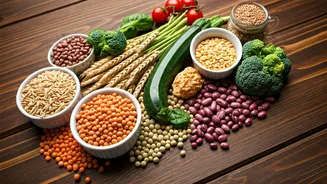
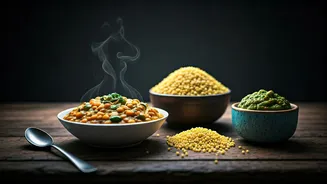
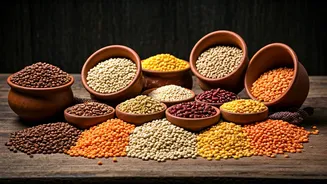
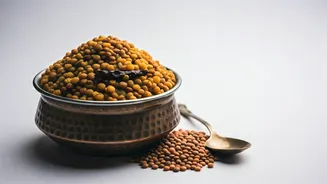
Dals, or lentils, are a cornerstone of Indian meals and a fantastic source of both protein and fibre. A single serving can significantly contribute to your daily fibre needs, with varieties like chana dal being particularly high in fibre content. For example, 100 grams of cooked dal can contain around 8 grams of fibre. This high fibre content aids digestion, helps manage blood sugar levels by slowing glucose absorption, and promotes a feeling of fullness, which can help with weight management. Including a bowl of dal with your lunch and dinner is an easy and traditional way to ensure you are getting a healthy dose of roughage every day.
Millets: Ancient Grains for Modern Health
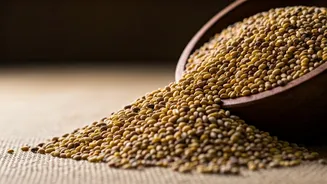
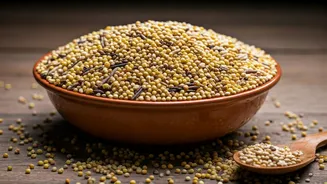
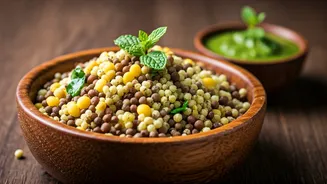
Millets such as jowar (sorghum), bajra (pearl millet), and ragi (finger millet) are making a well-deserved comeback. These ancient grains are nutritional powerhouses, boasting a higher fibre content than refined grains like white rice and maida. Depending on the variety, millets can contain between 10 to 12 grams of fibre per 100-gram serving. The insoluble fibre in millets helps add bulk and supports regular digestion, while the soluble fibre contributes to better heart health and blood sugar control. Swapping refined-flour rotis for those made from jowar or bajra, or substituting white rice with foxtail or little millet, is a simple change that can dramatically increase your roughage intake.
Chutneys: The Flavourful Fibre Boost
Often overlooked as a mere condiment, a fresh, homemade chutney can be a surprisingly good source of fibre. The key lies in their ingredients. Chutneys made from fresh herbs like coriander and mint, vegetables like tomato and cucumber, or bases like coconut and peanuts all contribute fibre. For example, coconut is known for its fibre content, while flaxseed chutney adds a significant fibre and omega-3 punch. Even a few spoonfuls of dhaniya chutney or a tomato-based chutney add vitamins, minerals, and a small but valuable amount of roughage to your meal, enhancing both flavour and nutritional value without adding significant calories.
Simple Ways to Increase Your Fibre Intake
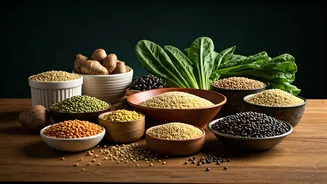
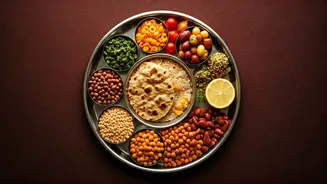
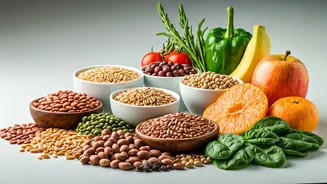
Incorporating more roughage into your diet doesn't require a complete overhaul. Start by making small, consistent changes. Aim to include a dal or legume with every main meal. Choose whole grain or millet rotis over those made from refined flour. Snack on roasted chana, peanuts, or whole fruits with their skin on instead of packaged snacks. Begin your meals with a simple raw vegetable salad to get a fibre boost before your main course. And don't forget to drink plenty of water, as fibre needs water to work effectively in your digestive system. By embracing these traditional Indian food staples, you can easily and deliciously meet your daily fibre needs.