






Why Wait Times Are A Critical First Step
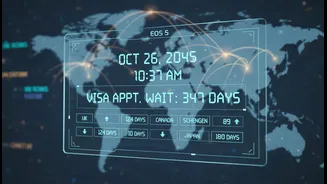
The excitement of planning a US holiday, business trip, or family visit can quickly meet the reality of administrative backlogs. In 2026, demand for US visas in India remains exceptionally high. While the situation has improved from the 800-day waits
seen in previous years, securing a timely appointment is still the biggest variable in your travel plans. First-time applicants for tourist and business visas (B1/B2) often face the longest queues. These wait times are influenced by staffing levels at each consulate, seasonal demand (like the student rush in summer), and the sheer volume of applications. Therefore, checking the estimated wait time shouldn't be an afterthought; it should be the very first step you take, ideally even before booking flights or accommodation.
A Snapshot of Wait Times Across India
Wait times are not uniform across the five US visa processing posts in India. As of mid-2026, trends indicate that some cities consistently offer faster appointments than others. Historically, Mumbai and New Delhi tend to have the longest waits for first-time B1/B2 interviews, often ranging from 150 to 300 days. In contrast, Kolkata and Chennai frequently have shorter queues. For instance, some reports in April 2026 suggested Chennai's wait time for a visitor visa was around four months, while Mumbai's was nine months. These numbers are estimates and can change weekly, but they highlight a key strategy: flexibility. An applicant from Mumbai might get a visa months earlier by applying in Chennai.
How to Check Official Wait Times
The most reliable source for information is the U.S. Department of State's official Visa Appointment Wait Times website. This tool provides estimated interview appointment wait times at every embassy and consulate worldwide. To use it, simply select the city in India where you plan to apply (e.g., "Chennai"). The site will display separate wait times for different visa categories, such as Student/Exchange Visitor visas, Petition-Based Temporary Worker visas (like H-1B), and Visitor visas (B1/B2). It's crucial to remember that this is an estimate and does not guarantee an appointment's availability. The actual slots can only be seen after you have completed your DS-160 application form and paid the visa fee on the official scheduling portal.
Can You Apply In A Different City?
Yes, Indian applicants are generally permitted to schedule their visa interview at any of the five locations—New Delhi, Mumbai, Chennai, Hyderabad, or Kolkata—regardless of where they reside. This flexibility is a significant advantage. If your local consulate has a long waiting period, it is often worthwhile to check the availability in other cities. The cost of a domestic flight and a short stay can be a small price to pay for securing a visa several months earlier. However, it's important to book your appointment within your country of residence; applying in a third country like Thailand or Dubai is a complex process with extra scrutiny and is generally not recommended unless it's a last resort.
Tips For A Smoother Process
While you can't control the backlog, you can optimise your approach. First, book the earliest available appointment, even if it’s far in the future. Once you have a confirmed date, you can log in to the portal and check for earlier slots that open up due to cancellations. Many applicants successfully move their appointments forward this way. Second, be flexible with your location. As mentioned, be prepared to travel to a different city for a quicker appointment. Third, if you are eligible for an interview waiver (often called "dropbox"), use it. This process, available to certain renewal applicants, is significantly faster, with processing times often under six weeks. Finally, for genuine emergencies like urgent medical treatment or business needs, you can request an expedited appointment, though approval is not guaranteed.