



The Sound of Solitude
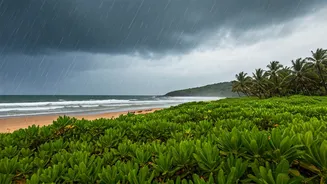
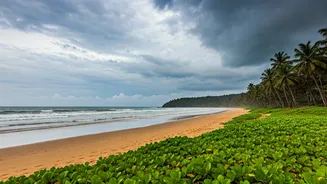
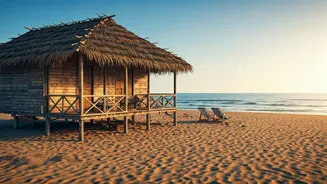
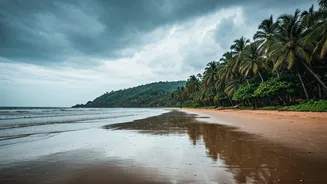
Imagine walking onto a Goan beach and hearing little more than the rush of the Arabian Sea. The familiar sight of wall-to-wall sunbeds and bustling waiters has been replaced by long, quiet stretches of sand. This is the reality in many parts of Goa right
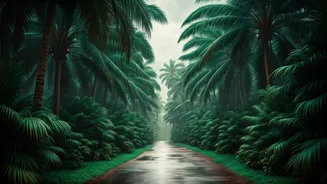
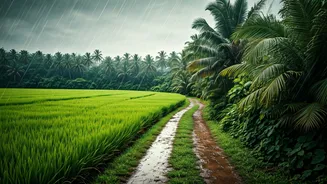
now, particularly as the monsoon season begins. From June to September, the state transforms; the tourist crowds thin out, the landscape turns a vibrant, emerald green, and the entire atmosphere becomes calm and peaceful. While some core shacks in high-traffic areas like Baga and Calangute may remain open, many others across the coastline have closed their doors early, even before the official end of the season on May 31. The result is a coastline that feels raw, wild, and spacious—a stark contrast to the energetic chaos of the peak winter months.
An Unexpectedly Personal Goa
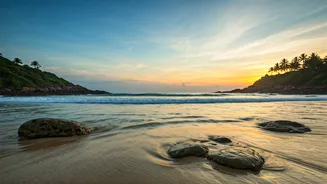
For the traveller weary of crowds, this quietness is a gift. The near-empty shacks and deserted beaches create a sense of having the place to yourself. It’s a Goa where you can find a table with an uninterrupted sea view without a reservation, where conversations with shack owners are longer and more leisurely, and where the sunset is a private spectacle rather than a shared event. This off-season quiet allows for a different kind of connection—not just with the place, but with the people who call it home. It offers a chance to see beyond the commercialised tourist facade and experience a more authentic, unhurried version of Goan life. For those seeking genuine rest, romance, or creative inspiration, this serene environment can feel far more luxurious than the busiest peak season.
The Other Side of the Quiet
However, this peaceful picture has a more complex background. The dwindling footfall is not just a seasonal phenomenon. Reports from early 2026 and late 2025 noted a significant downturn in tourist arrivals, particularly a sharp drop in foreign visitors. Shack owners have described recent seasons as some of the most difficult, with many closing early due to a simple lack of business. Manuel Cardozo, president of the Goan Traditional Shacks Owners Association, noted that the core business season was significantly shorter than usual, lasting mainly from January to mid-March when foreign charter tourists were present. While domestic tourism has remained relatively steady, the overall decline, especially in international travellers, has raised concerns about the state's tourism economy, which employs a significant portion of the population. Viral social media posts showing empty beaches have sparked debates, though some locals insist that popular spots remain busy.
A Tale of Two Seasons
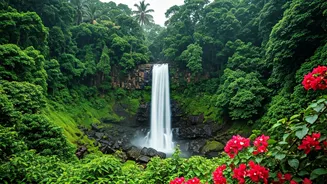
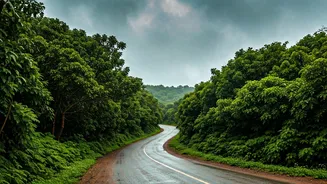
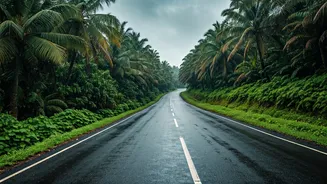
What emerges is a Goa of two distinct personalities. The winter season, from November to February, remains the peak period, defined by pleasant weather, vibrant nightlife, festivals, and fully operational shacks and water sports. This is the Goa of postcards and parties. But the monsoon season, from June to September, offers a completely different allure. It's a time for nature lovers, budget travellers, and those seeking tranquillity. The focus shifts from the beach to the hinterlands, where waterfalls like Dudhsagar are in full, majestic flow, and spice plantations near Ponda are intensely fragrant and lush. While swimming in the sea is unsafe due to rough conditions, the beaches offer dramatic views and a refreshing solitude. This quieter Goa is perfect for scenic drives, exploring wildlife sanctuaries, and simply enjoying the rain-washed beauty of the landscape.