


In the hustle of modern metro life, convenience often wins. But a quiet revolution is taking place in Indian kitchens as families consciously sideline processed foods to rediscover the wisdom of their grandparents' generation.
The Search for Authentic Wellness
For years, the narrative
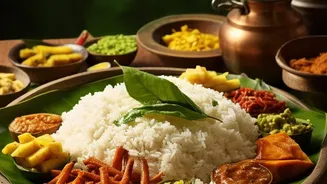
around healthy eating was dominated by Western trends. However, a growing number of urban Indian families are now looking inward, realizing that the answers to many modern lifestyle ailments were always present in their own culinary heritage. This shift is driven by a desire for food that not only tastes like home but also heals and nourishes from within. As people grapple with the consequences of diets high in refined and processed ingredients, many are finding that traditional Indian food—with its emphasis on balance, fresh ingredients, and digestive health—offers a sustainable path to wellness. It’s less about a new diet and more about remembering an old way of life.
Grandma's Wisdom Meets Modern Science
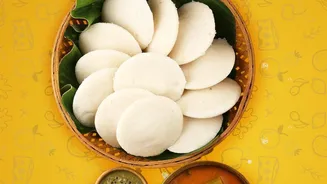
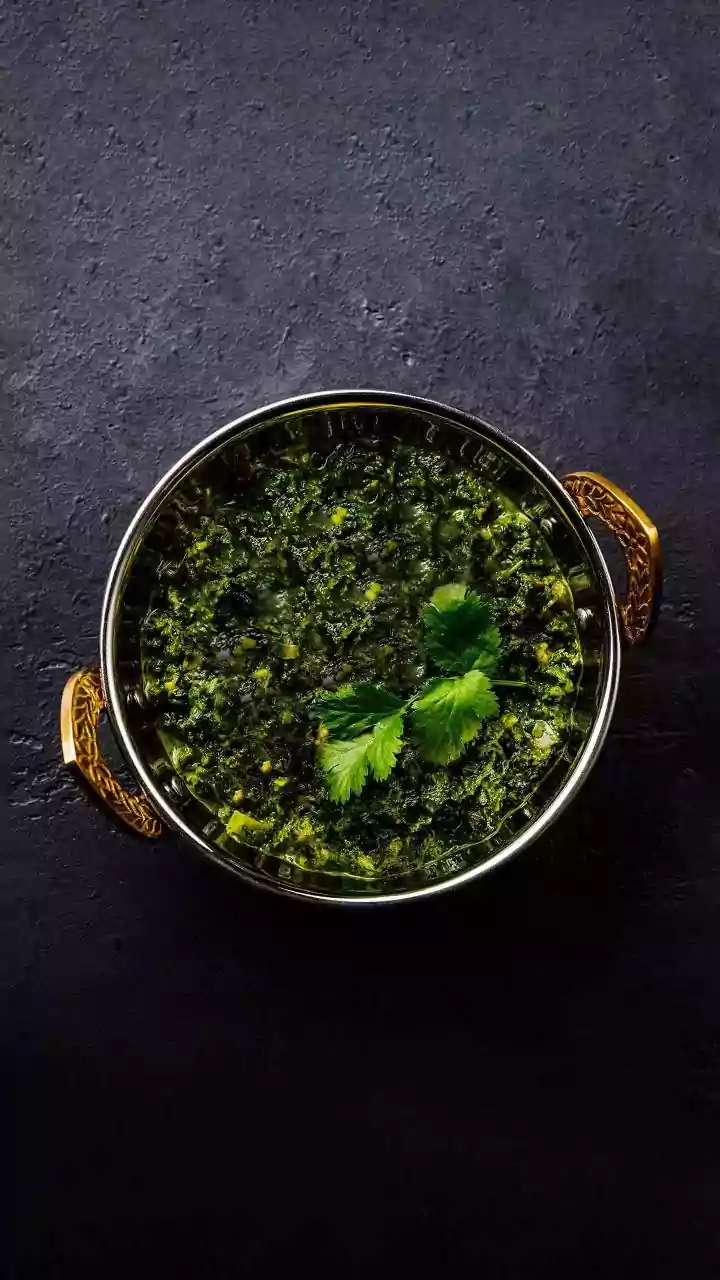
What was once passed down as household advice is now being validated by modern science. The health benefits of traditional Indian ingredients are numerous. Turmeric, long used for its healing properties, is now celebrated for its anti-inflammatory compound, curcumin. Fermented foods like idli, dosa, and homemade buttermilk are recognized for promoting gut health through natural probiotics. Slow-cooking methods and the use of iron cookware, like a traditional 'kadai', are praised for preserving nutrients and naturally boosting the iron content of food. This scientific backing gives families the confidence to choose traditional practices over modern shortcuts.
The Return of Ancient Grains
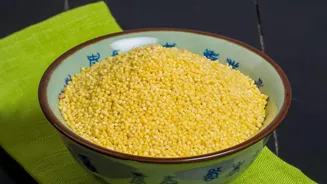
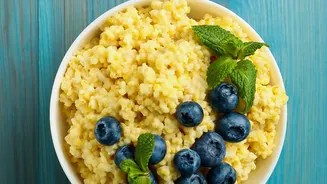
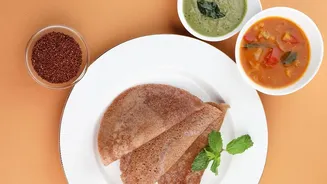
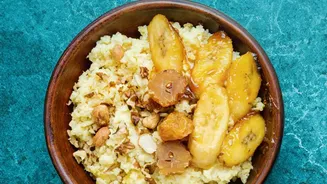
Perhaps the most visible change on the modern Indian plate is the resurgence of millets. Grains like jowar, bajra, and ragi, once considered humble staples, are now hailed as superfoods. Sidelined for decades by wheat and rice, millets are making a strong comeback due to their high-fiber content, low glycemic index, and climate-resilient nature. Families are incorporating them into everyday meals, from rotis and dosas to porridges and khichdi, finding them to be a powerful tool for managing health issues like diabetes and supporting overall weight management. This revival is a conscious choice to embrace dietary diversity and sustainability.
Adapting Tradition for a Busy Life
The biggest challenge for metro families is time. Traditional cooking can seem elaborate and time consuming. However, a new generation of home cooks is proving that it’s possible to blend tradition with modern meal prepping. The concept of meal prep isn't new to Indian kitchens; it's simply being systematized. Sundays are now often dedicated to preparing key components for the week ahead: making ginger garlic paste, soaking legumes, grinding fresh idli dosa batter, or batch cooking basic curry gravies. This approach allows for fresh, home cooked meals on busy weekdays without the daily hassle, making healthy eating a practical reality rather than a daunting task.