





Invest in Multi-Functional Furniture
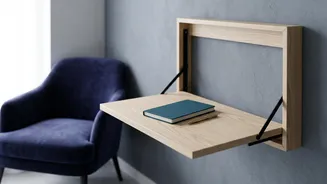
The easiest way to make a room work harder is to fill it with furniture that serves more than one purpose. Think beyond the classic sofa bed. Consider a lift-top coffee table that transforms into a dining or work surface, complete with hidden storage
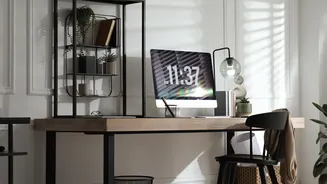
inside. Ottomans that open up to store blankets or serve as extra seating are invaluable in a living room. In smaller spaces, a stylish sideboard can extend into a dining table for four, while a modern Murphy bed can fold away to reveal a desk or shelving. These pieces allow a single room to transition from a workspace during the day to a relaxing lounge in the evening, all without adding clutter.
Define Zones with Smart Dividers
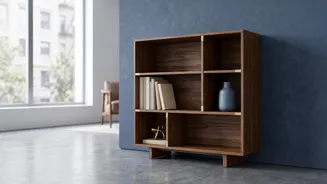
Open-plan living is great for a sense of space, but it can feel chaotic when different activities bleed into one another. The solution is to create 'zones' without building walls. Lightweight, freestanding room dividers or folding screens can instantly carve out a home office nook or hide a messy corner. For a softer approach, use curtains hung from a ceiling track. This allows you to close off a sleeping area in a studio apartment at night or create a temporary quiet zone. Even furniture can act as a divider; an open-backed bookshelf placed behind a sofa can separate the living area from a dining space while still allowing light to pass through.
Embrace Modular and Mobile Pieces
Flexibility is about being able to change your layout on a whim. Modular furniture, like sectional sofas made of individual components, lets you reconfigure your seating for movie nights, parties, or a quiet afternoon. You can arrange them as a large L-shape, break them into smaller seating groups, or create a U-shaped conversation pit. The same principle applies to storage. Instead of one large, heavy bookshelf, consider smaller, stackable cube units. Look for items on wheels, such as bar carts that can serve as side tables, kitchen trolleys that offer extra prep space, or rolling file cabinets that can be tucked away after the workday.
Rethink Your Lighting Strategy
Lighting is one of a designer's most powerful tools for changing the feel and function of a room. A single overhead light won't cut it in a multi-purpose space. Instead, think in layers: ambient, task, and accent lighting. Ambient light provides overall illumination (e.g., a ceiling fixture), task lighting focuses on specific activities like reading or cooking (e.g., a desk lamp or under-cabinet lights), and accent lighting highlights features like artwork. Installing dimmer switches is a simple update that offers immense flexibility, allowing you to go from bright and productive to soft and relaxed with a simple adjustment. Smart bulbs let you change both brightness and colour temperature to suit the mood.
Use Rugs to Create 'Rooms'
Much like room dividers, area rugs are a powerful tool for creating visual boundaries on the floor. In a large room that serves as both a living and dining area, placing a distinct rug under the dining table and another one to anchor the seating area instantly creates two defined spaces. This simple trick helps to ground the furniture and signals the purpose of each zone without interrupting the open feel of the room. It reduces the feeling that your furniture is just 'floating' and brings a sense of order and intention to your layout.