




The Indoor Monsoon Challenge
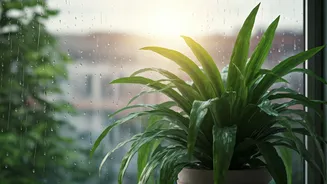
The rainy season dramatically changes the environment inside our homes. While we enjoy the cool, damp air, this exact combination is stressful for most houseplants. High humidity means the air is already saturated with moisture, which slows down the plant's
natural process of transpiration (releasing water through its leaves). At the same time, soil takes much longer to dry out. This creates a dangerous situation where roots can be sitting in soggy soil for days, deprived of the oxygen they need to survive. Coupled with reduced sunlight due to overcast skies, plants have less energy to fight off stress, making them vulnerable to disease.
Why Excellent Drainage Is Non-Negotiable
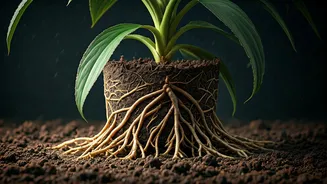
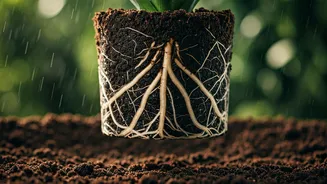
During the monsoon, the most common and fatal mistake is overwatering, often done unintentionally. With high humidity, plants simply don't need as much water. If your pot doesn't have a way to release excess moisture, the soil becomes waterlogged, leading to root rot. This fungal disease causes roots to decay, making them unable to absorb nutrients and water, eventually killing the plant. Good drainage is your primary defence. It ensures that even if you misjudge watering, or on a particularly damp week, excess water has a clear escape route, preventing the soil from becoming a suffocating swamp.
Simple Ways to Improve Drainage
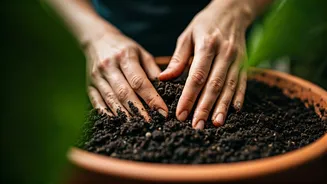
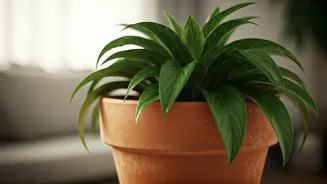
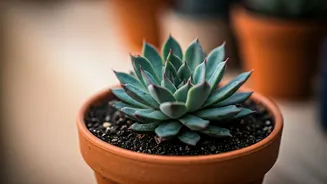
Ensuring proper drainage isn't complicated. Start by checking your pots; they must have drainage holes at the bottom. If the holes are blocked, clear them out immediately. Consider using terracotta pots, as their porous material allows soil to breathe and dry out faster. Elevating your pots on small bricks or stands can also help, preventing them from sitting in a puddle of runoff water. Most importantly, adjust your soil. Use a light, well-aerating potting mix that contains components like sand, coco peat, or perlite to prevent compaction and allow water to flow through freely.
The Importance of Keeping a Distance
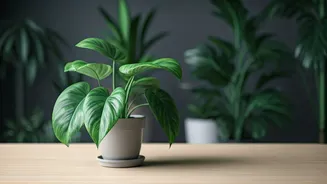
The second pillar of monsoon plant care is providing adequate space. The warm, damp, and still air of the monsoon is a perfect breeding ground for fungal diseases like powdery mildew and leaf spot. When plants are crowded together, air cannot circulate between them. This trapped moisture on the leaves creates an ideal environment for fungal spores to settle and multiply. Providing distance between your plants allows air to flow freely, which helps leaves dry faster after watering and reduces overall humidity in the immediate vicinity of the plant. This simple act of spacing is a powerful, natural way to prevent disease.
How to Create Better Airflow
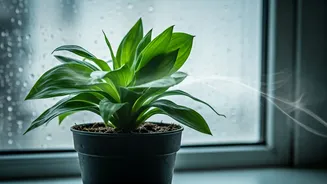
Creating distance is the first step. Avoid grouping too many plants in one corner. If possible, place them near a window that you can open periodically to let in fresh air. For rooms with poor ventilation, using a small fan on a low setting for a few hours a day can work wonders. The gentle breeze helps dissipate humidity around the leaves and mimics the natural outdoor environment, which can even help strengthen plant stems. Regularly prune any dead or yellowing leaves and overgrown branches to improve airflow through the plant itself.
Other Essential Monsoon Adjustments
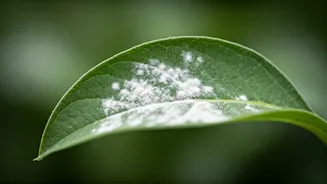
Beyond drainage and distance, a few other adjustments will help your plants thrive. First, reduce your watering frequency. Always check the top inch of soil; if it feels damp, wait a few more days before watering. This is also not the time for heavy fertilizing. Since plant growth naturally slows with less light, excess fertilizer can burn the roots in the moist soil. Finally, keep an eye out for pests like aphids and mealybugs, which are also attracted to damp conditions. A regular inspection can help you catch any problems early.