







The End of the Orange Paper Card
The Incoming Passenger Card (IPC) has been a fixture of Australian arrivals for generations, a tangible first step on Australian soil. But after a long-haul flight, fumbling with the paper form was often a tiresome formality. Following successful trials,
the Australian government is now phasing out the paper card and replacing it with the Australia Travel Declaration (ATD), a digital alternative designed to modernise the border. The national rollout will occur over the next 12 to 18 months, eventually covering all international airports and seaports.
What is the Australia Travel Declaration?
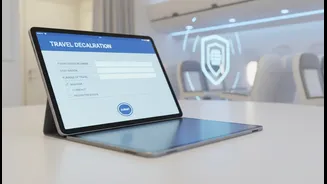
The ATD is the digital equivalent of the paper card. It's an online form where you provide your identity, travel details, and make legally binding customs and biosecurity declarations before you land. The system has been trialled since October 2024 on select Qantas flights, with over 450,000 passengers successfully using it to enter Sydney, Melbourne, and Brisbane. The plan is to expand the system to all travellers, though paper forms will remain available for those who cannot use the digital version. This isn't Australia's first attempt at a digital card; a previous version called the Digital Passenger Declaration (DPD) was abandoned in 2022. The new ATD is the government's renewed effort to digitise the process.
How the New Process Works
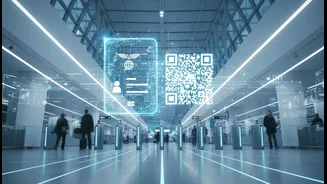
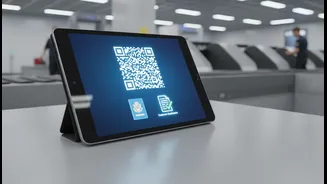
Instead of waiting for the cabin crew to hand you a form, you can complete the ATD up to 72 hours before your departure. Initially, it will be available via a web-based form on a government website. The goal is for airlines to integrate the declaration into their own apps, as Qantas has done for its trial. Once you complete the declaration, you receive a digital pass with a unique QR code via email or in the app. An Australian Border Force officer will scan this code upon your arrival, streamlining your passage through immigration.
Faster Arrivals and Stronger Security
The primary benefit for travellers is speed. Completing the form in advance means less time spent in queues after a long flight. For the government, the benefits are twofold. First, it improves data quality for risk assessments, allowing agencies to identify potential security or biosecurity threats before a traveller even arrives. Minister for Agriculture, Julie Collins, noted that the ATD helps respond to risks like biosecurity outbreaks before they reach Australian shores. Second, it makes the data immediately searchable, a vast improvement on sorting through boxes of paper cards.
The Bigger Picture: A Contactless Border
The ATD is a key part of a broader push to create a more seamless, tech-driven border experience. It aligns Australia with other countries like Singapore, Japan, and New Zealand, which already use digital arrival systems. This change complements other technologies already in use at Australian airports, such as the SmartGate kiosks that use facial recognition to verify ePassport holders. These automated gates speed up processing for eligible travellers from numerous countries. Ultimately, the goal is a “contactless traveller” journey, where biometrics and pre-submitted digital information allow for a faster, more secure, and less stressful arrival, a crucial step as Australia prepares for increasing visitor numbers ahead of events like the 2032 Brisbane Olympics.