



Why Rigid Lists Fail in a Volatile Market
For years, the advice was simple: make a detailed monthly grocery list and stick to it to control spending. This worked when prices were relatively stable. Today, however, Indian households face a different reality. Food inflation is unpredictable, with
the costs of everyday essentials seeing sharp, sudden swings. One month, tomatoes might be affordable; the next, their price could skyrocket due to weather or supply chain issues. A rigid list, created in advance, doesn't account for this volatility. You either end up blowing your budget to buy everything on the list regardless of cost, or you leave the store without key ingredients, leading to frustration and extra trips. This is where a more adaptable strategy becomes essential for managing your kitchen and your wallet.
The 'Reverse' Meal Plan: Shop First, Plan Second
The secret to navigating changing prices is to flip your planning process on its head. Instead of deciding what to eat and then shopping for ingredients, let the market tell you what's for dinner. Before you even think about recipes, look at what's on sale, in season, and abundantly available. Check local mandi prices, supermarket flyers, and online grocery apps for the best deals. Did you find a great price on pumpkin or cauliflower? Is your local vendor offering a discount on a particular dal? Base your week's meals around these bargains. This 'deal-first' approach ensures you're always buying the most cost-effective ingredients available, forming the foundation of a truly budget-friendly meal plan.
Build a Resilient Pantry
A flexible meal plan is supported by a well-stocked pantry. This doesn't mean hoarding, but rather strategically buying non-perishable staples when prices are low. Items like rice, various dals, chickpeas, atta, sugar, and spices have long shelf lives and form the backbone of countless Indian meals. When you see a good deal on these essentials, buy a little extra. Having this core inventory gives you the freedom to build meals around the fresh produce and proteins that are on sale each week. Your pantry becomes your safety net, allowing you to whip up a satisfying meal of dal and rice or a simple pulao even if fresh vegetable prices are higher than you'd like. It reduces reliance on last-minute purchases and gives you immense cooking flexibility.
Your Weekly 'Flexi-Plan' in Action
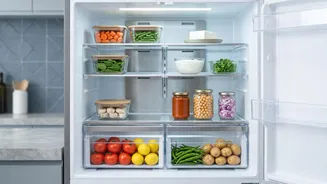
Putting this into practice is simpler than it sounds. Start by planning just three to four 'anchor' meals for the week using the discounted vegetables or proteins you found. For the remaining days, leave room for flexibility. This is where you can get creative with leftovers or use up what's in your 'eat first' bin—a designated space in your fridge for items that need to be used soon. Your shopping list then becomes a shorter, more adaptable guide. List the specific items for your anchor meals, and then add general categories like 'seasonal green vegetable' or 'any dal on sale'. This gives you the structure of a plan without the rigidity, allowing you to make smart, on-the-spot decisions at the store.
Master the Art of the Smart Swap
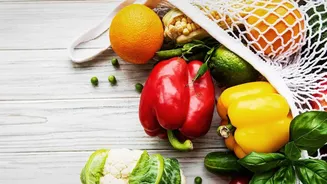
Flexibility is also about knowing how to substitute ingredients. If a recipe calls for an expensive vegetable like broccoli or bell peppers, don't be afraid to swap it for a more affordable alternative like cabbage, carrots, or seasonal greens. Different types of dals can often be used interchangeably in many recipes. If chicken prices are high, consider using paneer, eggs, or legumes as your protein source. Learning to make these simple swaps not only saves you money but also builds your confidence and creativity in the kitchen. It frees you from being strictly bound to a recipe and empowers you to cook with what you have, which is the ultimate goal of a flexible and resilient cooking style.