
The Grandeur of Chappan Bhog
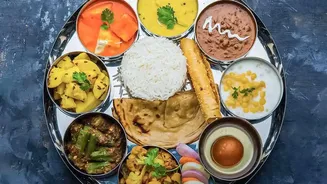
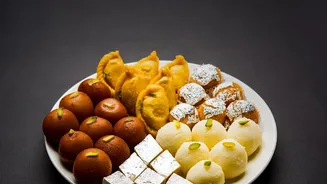
In North India, especially in the holy cities of Mathura and Vrindavan, Janmashtami is synonymous with the 'Chappan Bhog', a magnificent offering of 56 distinct food items to Lord Krishna. This tradition is rooted in the story of Krishna lifting the Govardhan
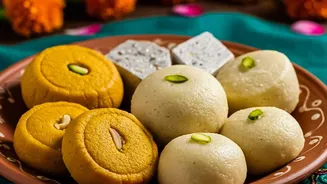
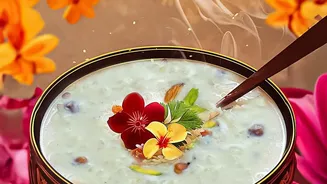
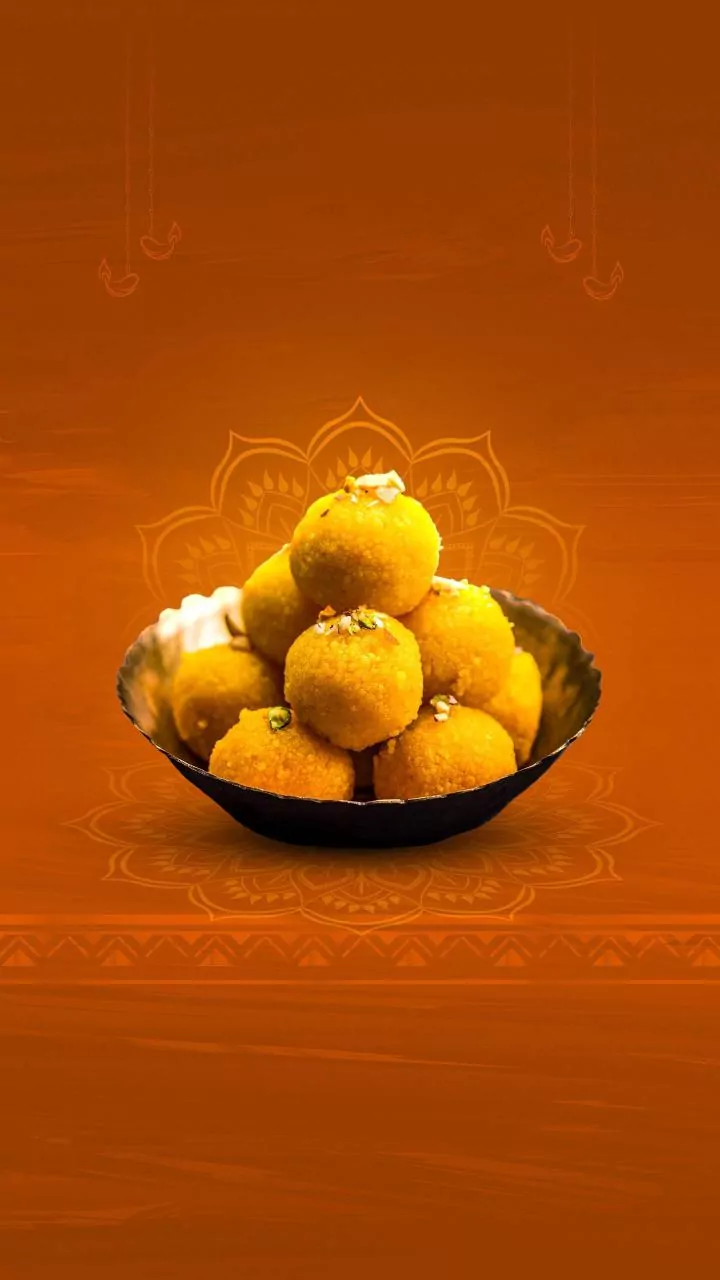
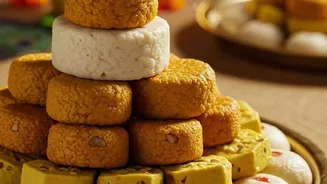
Hill for seven days, during which he missed his eight daily meals. The villagers, in their gratitude, prepared 56 dishes (7 days multiplied by 8 meals) to compensate. The spread is a spectacular display of devotion, featuring an array of sweets, savouries, grains, and drinks. Key items include Makhan Mishri (fresh white butter with rock sugar), various pedas, kheer, and Dhaniya Panjiri, a unique preparation made with roasted coriander powder for those fasting from grains. This grand feast symbolises abundance and immense love for Krishna.
Maharashtra’s Dahi Handi Delights
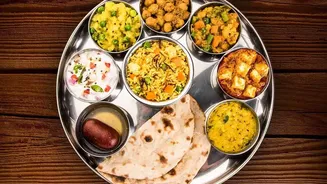
In Maharashtra, the festival's energy is captured by the Dahi Handi celebrations, and the food perfectly complements this spirit. The signature dish is Gopalkala, a savoury mixture that is said to mirror what Krishna shared with his friends. It’s a simple, no-cook dish made by combining flattened rice (poha), curd, cucumber, coconut, and spices. This prasad is often what fills the handi broken by the 'Govindas'. Alongside this, Maharashtrian households prepare creamy Shrikhand, a sweet made from hung curd, and Sabudana Khichdi, a popular fasting dish made with tapioca pearls, peanuts, and potatoes. These dishes represent community, sharing, and the playful spirit of the festival.
South India’s Savoury Crunch
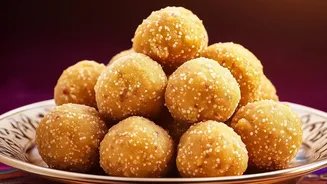
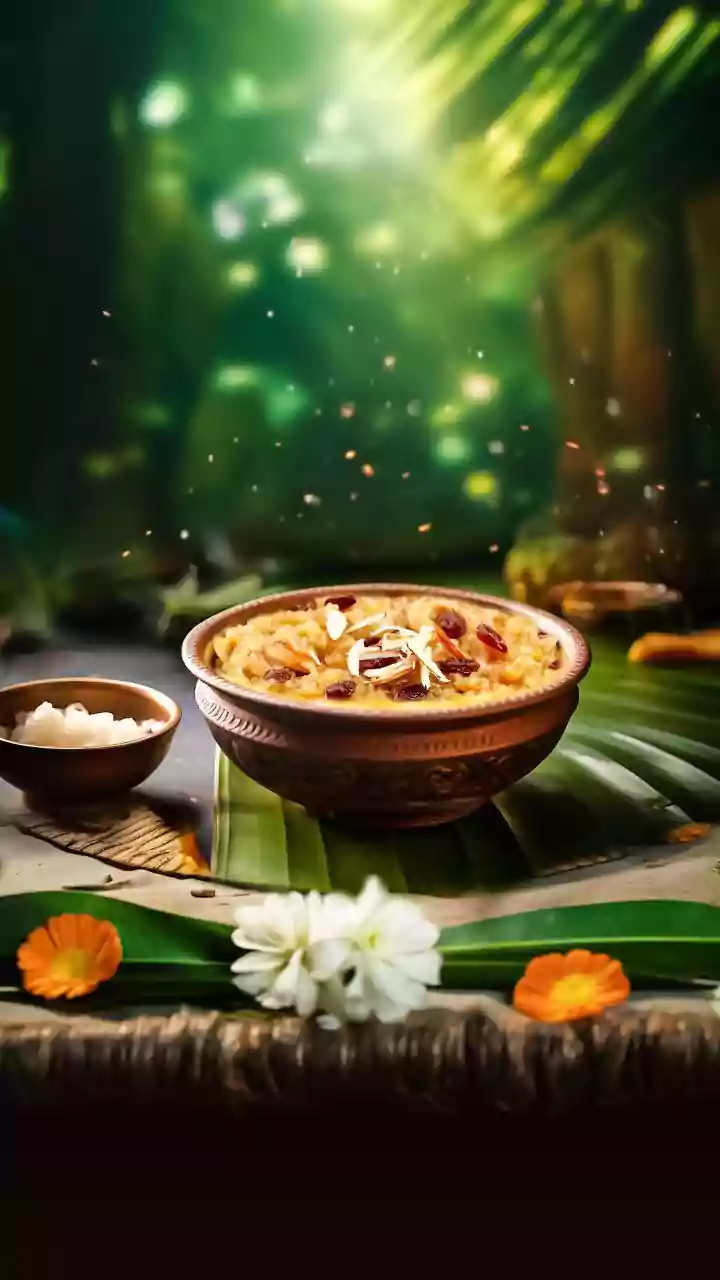
Travelling south, the culinary landscape of Gokulashtami, as it's known, shifts towards crispy, savoury snacks. In Tamil Nadu, the festival is incomplete without Uppu Seedai and Vella Seedai. These are small, deep-fried balls made from rice flour—the former is salty and spiced, while the latter is sweet, made with jaggery and coconut. Preparing them is considered an art, as the dough must be perfect to prevent the seedai from bursting in the hot oil. Another essential is Murukku, a crunchy, spiral-shaped snack. These savouries are offered alongside sweet dishes made from aval (flattened rice), which is believed to be one of Krishna's favourites.
Eastern India’s Sweet Fritters
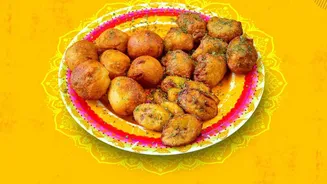
In West Bengal, the celebration of Janmashtami is marked by a unique seasonal delicacy: Taler Bora. These are sweet fritters made from the pulp of the ripe sugar palm fruit (taal), which is in season during this time. The pulp is mixed with rice flour, coconut, and sugar or jaggery, then deep-fried into small, fragrant balls that are crispy on the outside and soft inside. This treat is so central to the celebration that a popular Bengali rhyme describes Krishna's foster father, Nanda, dancing with joy after eating them. The offering connects the universal celebration of Krishna's birth with a distinct, local flavour profile that is cherished across the region.