


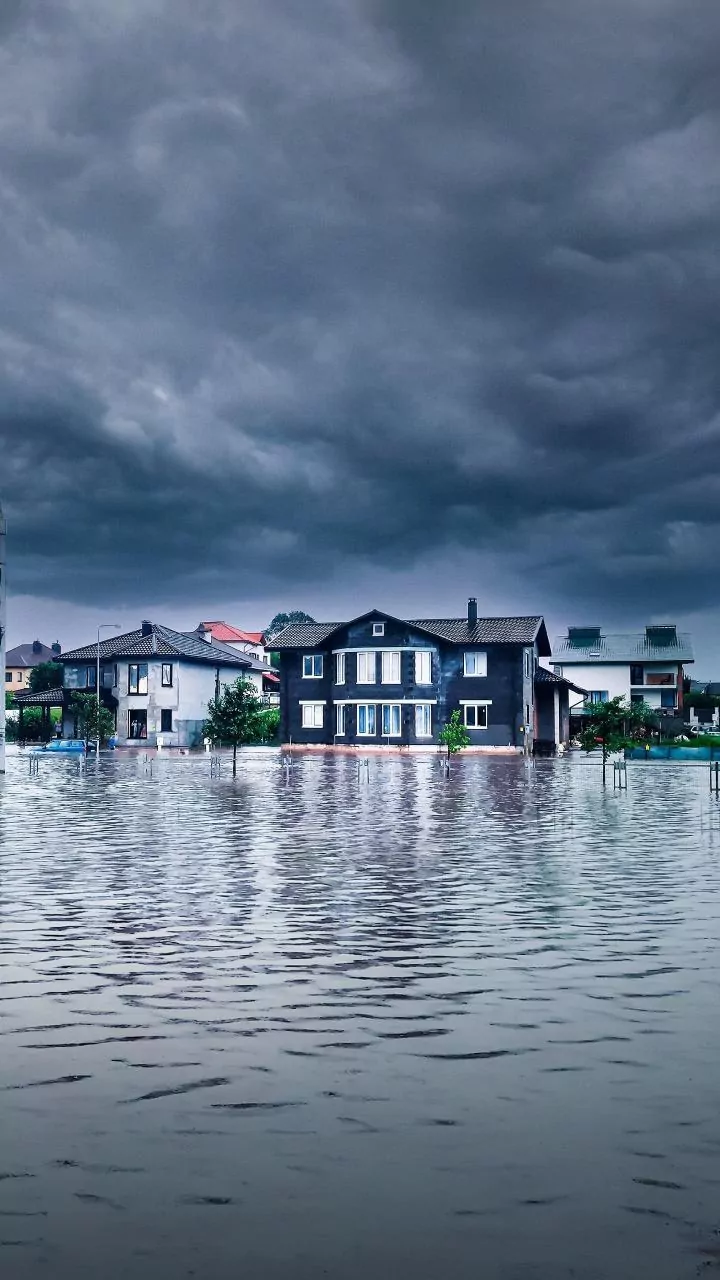




The skies have cleared and the constant drumming of rain has faded, but the dangers of the monsoon are not entirely gone. Underfoot, a new set of hazards has emerged on our paths, walkways, and driveways, requiring renewed caution.
The Hidden Damage Left Behind
The monsoon season's
heavy rainfall does more than just water plants; it can significantly alter the ground we walk on. Continuous downpours saturate and weaken the soil, leading to erosion that can destabilize paving stones and create unseen cavities. What was once a level footpath can become a treacherous landscape of hidden potholes, loose pavers, and cracked concrete concealed by lingering puddles. This makes even a routine walk a risky activity, as the ground can shift unexpectedly. Variations in a walking surface as small as a quarter of an inch are enough to cause a trip and fall. These seemingly minor issues can lead to significant injuries, turning a simple misstep into a serious accident.
The Menace of Moss and Algae
One of the most widespread and underestimated post-monsoon dangers is the growth of moss and algae. These organisms thrive in the damp, shady conditions left by the rains, forming a thin, slick biofilm on concrete, tiles, and stone. This layer, often nearly invisible, drastically reduces the friction of the surface, making a path that seems safe as slippery as ice when wet. Algae and moss retain moisture long after the rain has stopped, meaning a walkway can remain hazardous for days. For the elderly, children, or anyone with mobility issues, these slippery surfaces represent a major risk of falls that can lead to fractures and other serious injuries.
Common Injuries from Post-Monsoon Falls
A slip or trip on an uneven, wet path can result in a wide range of orthopaedic injuries. Ankle sprains are incredibly common, occurring when the foot rolls awkwardly on an unstable surface. While often dismissed as minor, a severe sprain can involve torn ligaments that require medical attention to heal properly. More serious falls can lead to fractures of the wrist, ankle, or hip. Landing on an outstretched hand can easily break a wrist, while a hard fall can have severe consequences, particularly for older adults. Beyond fractures, falls can also cause head injuries like concussions and painful back or spine trauma.
How to Navigate Your Walk Safely
Personal vigilance is the first line of defence. The most crucial step is to choose the right footwear. Avoid shoes with smooth soles like flip-flops, and opt for boots or sneakers with deep treads and good grip. When walking, slow down and take shorter, more deliberate steps to maintain your centre of gravity. Keep your hands free for balance rather than in your pockets or carrying multiple items. Pay close attention to the ground ahead, scanning for puddles that might hide holes, discoloured patches indicating algae, or loose debris. If a sidewalk looks particularly treacherous, walking on the grass may be a safer alternative.
A Checklist for Home and Property Owners
Property owners have a responsibility to ensure their premises are safe. After the monsoon, a thorough inspection of all outdoor areas is crucial. Clear away any accumulated leaves and debris, as they can hide hazards and contribute to slippery conditions. Inspect all pathways, driveways, and patios for cracks, loose stones, or areas of erosion and schedule repairs promptly. For areas affected by algae and moss, a thorough cleaning with a pressure washer or a stiff brush can remove the slippery biofilm. Ensuring that drainage systems like gutters and scuppers are clear can also help surfaces dry faster and prevent water from pooling. Improving lighting around walkways can also make hazards more visible, especially in the early morning or evening.