



The Great Escape from Urban Burnout
For years, a career in technology meant being tethered to the bustling, and often chaotic, environments of cities like Bengaluru, Pune, or Gurugram. But the normalisation of remote work has changed the equation. Many tech professionals are now actively
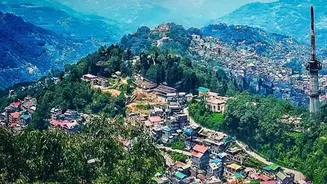
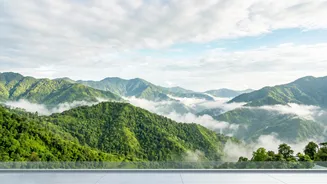
seeking an escape from the long commutes, high cost of living, and relentless pace of city life that lead to burnout. Gangtok, with its clean air, stunning mountain landscapes, and a significantly slower pace of life, presents a compelling alternative. It’s a destination that offers not just a change of scenery, but a fundamental shift in lifestyle, allowing for a better work-life balance where productivity is complemented by peace and well-being.
Co-Living: More Than Just a Place to Stay
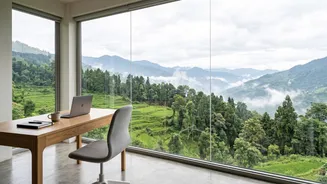
This migration is powered by a new breed of accommodation: the co-living and workation hub. These aren't just hotels or homestays; they are integrated environments designed specifically for the remote professional. Operators in and around Gangtok now offer packages that bundle accommodation with essential services like high-speed internet, power backup, and dedicated workspaces. More importantly, they foster a sense of community. By bringing together freelancers, entrepreneurs, and remote employees from various companies, these hubs become vibrant social ecosystems where residents can network, collaborate, or simply find like-minded people to explore the region with on weekends.
The All-Important Digital Infrastructure
The dream of working from the mountains is only viable if the digital infrastructure can support it. For a long time, this was the biggest hurdle for remote work in the Himalayas. However, Gangtok has made significant strides. The city now boasts reliable 4G connectivity from providers like Jio and Airtel, and many hotels, cafes, and dedicated coworking spaces offer strong Wi-Fi with backup power. This ensures that attending a video conference or pushing code can happen as seamlessly as it would in a metro city. While connectivity can still be sporadic in more remote areas outside the capital, Gangtok itself has become a dependable hub, making the 'work' part of the 'workation' genuinely feasible.
A Lifestyle Upgrade with a View
The appeal of Gangtok extends far beyond the workday. After shutting the laptop, professionals can explore the city’s unique blend of traditional monastic culture and modern cafe life. The pedestrian-only MG Marg serves as a social hub, lined with shops and eateries perfect for unwinding. Weekends offer opportunities for adventure, with treks to places like Tsomgo Lake or visits to serene monasteries such as Rumtek. This access to nature and culture is a significant draw, providing a sense of rejuvenation that city life often lacks. It transforms the after-work hours from a time of commuting and chores into a period of genuine exploration and relaxation.
The Government Push and Future Outlook
The trend is also receiving official encouragement. Recognizing the economic opportunity, the Sikkim government has been actively promoting the state as a remote work destination. An initiative in Yakten village, near Gangtok, has even established it as India's first official 'digital nomad village', aiming to provide a sustainable model that supports local homestay owners year-round. This structured support, combined with the organic growth of work-friendly cafes and hostels, suggests that Gangtok's popularity is not just a passing phase. It represents a tangible shift in how and where Indians can build their careers, proving that a top-tier tech job no longer requires a metro city address.