






From Chaos to Calm
A mountain of unsorted laundry can be a source of daily stress. It’s not just about the untidiness; it’s the mental load of always wondering when you’ll find the time to tackle it. Implementing a laundry routine brings predictability and order to this
essential chore. Instead of facing a weekend marathon of washing, a structured rota breaks the task into manageable parts. Studies have shown that routines can reduce decision fatigue and bring a sense of stability to our lives. Knowing that Tuesday is for towels and Friday is for bed linens eliminates the guesswork and the guilt associated with procrastination. This systematic approach ensures that walkways are clear, bedrooms aren't draped in damp clothes, and everyone has what they need for the week ahead without any last-minute panic.
Designing Your Laundry Rota
Creating your rota starts with a quick assessment of your household’s needs. First, consider the volume of laundry you generate. A large family will have different requirements than a couple. A good starting point is to categorise your washing into types: whites, darks, delicates, bedding, and towels. You can then assign specific days for each category. For example: Mondays for school uniforms and workwear, Wednesdays for towels, and Fridays for bedding. Alternatively, in a shared house or large family, you could assign a day to each person. Using separate hampers for each person or category can streamline the process even further, making it easy to grab a load and go without extensive sorting. Post the schedule in a visible place like the kitchen or a family group chat to keep everyone accountable.
Mastering Monsoon Laundry
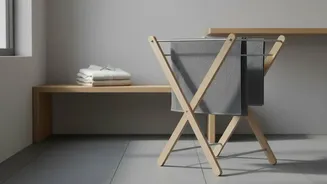
In India, the monsoon season presents a unique challenge: how to dry clothes effectively indoors without creating a damp, musty environment. High humidity slows down drying and can lead to mildew. The key is to maximise airflow. Instead of piling clothes on top of each other, hang them on a drying rack with space between each item. Using hangers for shirts and trousers helps them maintain their shape and dry faster. Make the most of your washing machine’s spin cycle—running it twice can remove a significant amount of excess water before you even hang the clothes. Place the drying rack near a window or under a ceiling fan to improve air circulation. For particularly humid days, a dehumidifier can be a great investment, helping to reduce moisture in the air and preventing mould growth. Some also suggest placing a bag of unrefined salt in the corner of the room to naturally absorb excess moisture.
Making the System Stick
A new system is only as good as its implementation. The key to making a laundry rota work is consistency and a little bit of flexibility. When introducing the schedule to your family or flatmates, explain the benefits—less clutter, no more frantic searches for clean clothes, and a more pleasant living space for everyone. Teaching children to help with age-appropriate tasks, like putting their own clothes away, can also foster a sense of responsibility. Be prepared to adjust the rota as you go. Life changes, and your schedule might need to as well. The goal isn't to create a rigid, military-style operation, but a flexible framework that serves your household's needs. Review the system after a few weeks to see what’s working and what isn’t, and make tweaks accordingly.