





The Monsoon Gamble Gets Riskier
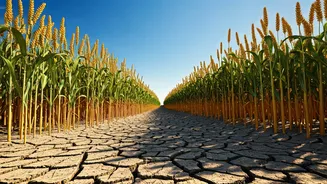
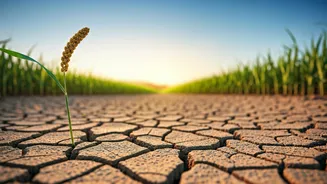
The Southwest monsoon, which delivers about 75% of India's annual rainfall, is becoming increasingly unpredictable. Climate change is leading to delayed onsets, prolonged dry spells, and scattered rainfall, posing a huge threat to the nation's agriculture-heavy
economy. Recent reports from June 2026 already highlight below-average rainfall and delays in sowing for the crucial Kharif season. This volatility is devastating for water-intensive crops like rice and wheat, which are central to India's food security but are highly vulnerable to shifts in weather patterns. A weak monsoon not only impacts farm incomes and food prices but also strains water resources, affecting everything from drinking water availability to hydropower generation.
Enter the 'Miracle Grains'
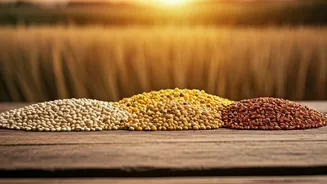
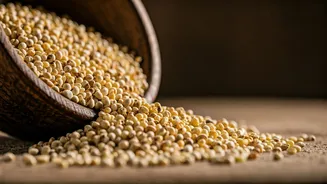
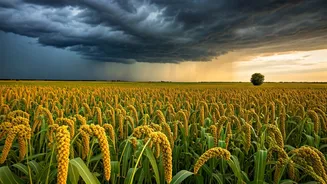
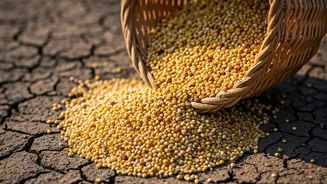
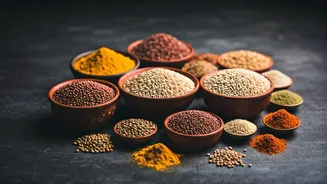
This is where millets, a group of small-seeded grasses including Jowar (Sorghum), Bajra (Pearl Millet), and Ragi (Finger Millet), offer a glimmer of hope. Often called 'climate-smart crops', millets are exceptionally resilient. They are drought-tolerant, require significantly less water than rice and wheat, and can thrive in high temperatures and poor soil with minimal external inputs like fertilizers. Some varieties have a short growing season of just 60-90 days, allowing farmers to harvest quickly and reduce the risk of crop failure during an erratic monsoon. This innate hardiness makes them an ideal crop for India's rain-fed and arid regions, which are most vulnerable to climate change.
A Nutritional Powerhouse
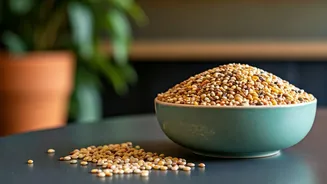
Beyond their climate resilience, millets are nutritional powerhouses. Compared to polished white rice and refined wheat, millets are packed with protein, dietary fiber, and essential minerals. For instance, finger millet (Ragi) contains about 10-12 times more calcium than rice and wheat, while pearl millet (Bajra) is a rich source of iron. With a low glycemic index, they help in managing blood sugar levels, making them an excellent choice for diabetics. As India battles the dual challenges of food security and malnutrition, promoting millets offers a path to a more nutritious and healthy population.
The Economic Case for Farmers
For the small and marginal farmers who form the backbone of Indian agriculture, switching to millets can be economically transformative. Their ability to grow with less water and fewer inputs reduces cultivation costs and minimizes financial risk from crop failure. Recognizing this, the Indian government has launched several initiatives to promote millet cultivation. Schemes like the National Food Security Mission (NFSNM) and Rashtriya Krishi Vikas Yojana (RKVY) provide support for seed distribution, demonstrations, and crop diversification away from water-guzzling paddy. By offering a Minimum Support Price (MSP) and improving procurement channels, the government aims to make millet farming more profitable and secure for farmers.
Challenges on the Path to a Millet Revolution
Despite the clear benefits, a widespread shift to millets faces hurdles. Decades of focus on rice and wheat during the Green Revolution led to a decline in both millet production and consumption, with the grains being unfairly labelled as 'poor man's food'. Reviving demand requires overcoming changing food habits and a lack of public awareness about their nutritional benefits. Furthermore, the supply chain for millets—from processing to marketing—is still underdeveloped compared to that for rice and wheat. Issues like poor shelf life of processed millets and the need for better market linkages must be addressed to ensure that increased production finds a ready and profitable market.