


The Power Players on Your Plate
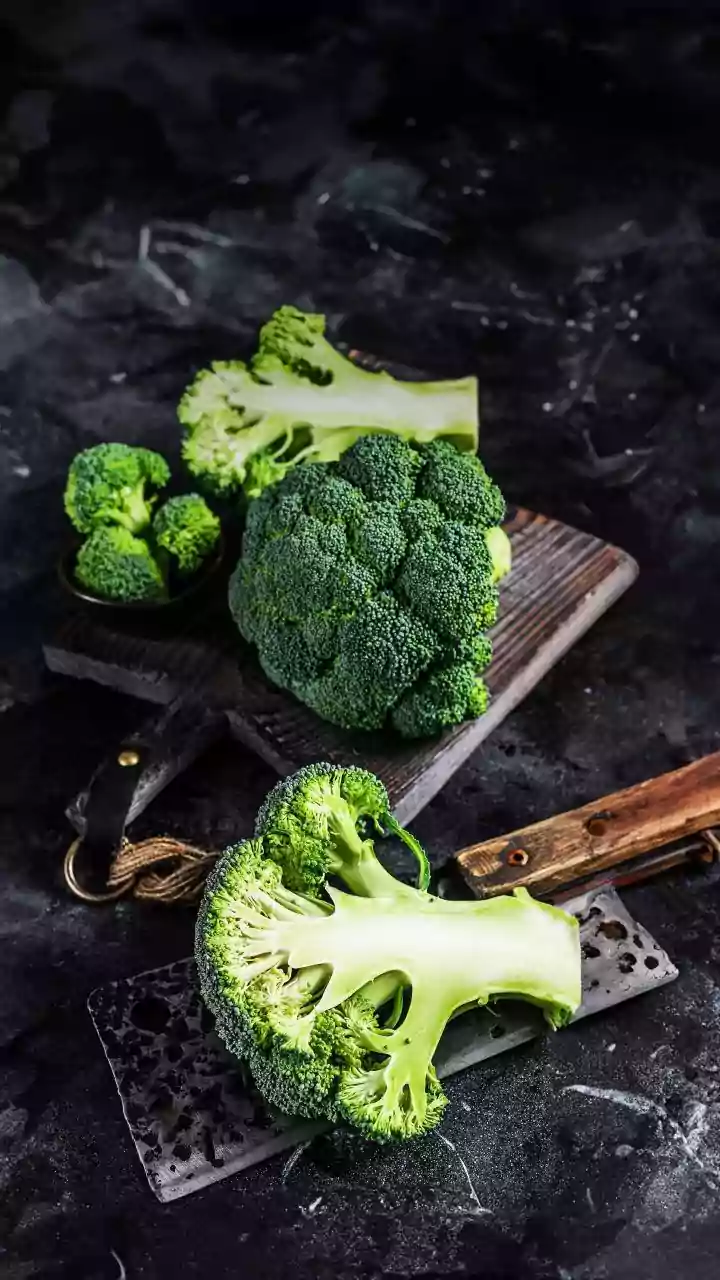
Let's first talk about the stars of the show: cruciferous vegetables. This group includes everyday staples in Indian kitchens like cauliflower (phool gobi), cabbage (patta gobhi), and broccoli. They are nutritional powerhouses, packed with vitamins, fibre,
and special compounds called glucosinolates. But what really makes them shine are their polyphenols. Think of polyphenols as your body's personal security team. They are naturally occurring compounds in plants that act as powerful antioxidants, fighting off cellular damage that can lead to chronic diseases. Getting a rich supply of them through your diet is a fantastic way to support your overall health.
The Problem with Boiling and Frying
Many of us grew up with vegetables that were boiled until soft. Unfortunately, this common method is one of the worst for nutrient retention. Polyphenols, along with essential water-soluble vitamins like Vitamin C, are sensitive to both heat and water. When you boil vegetables, these valuable nutrients leach out into the cooking water, which usually gets poured down the drain. Studies have shown that boiling can result in a loss of over 50% of these beneficial compounds. Frying isn't much better. While it might be quick and tasty, the high temperatures involved in stir-frying or deep-frying can also destroy these delicate plant compounds, robbing your meal of its full health potential.
Why Steaming Is the Superior Method
This is where steaming comes in as the hero. Unlike boiling, steaming cooks vegetables with hot vapour without submerging them in water. This gentle, indirect heat is far kinder to the nutrients. Research consistently shows that steaming is the best cooking method for preserving polyphenols and other sensitive compounds in cruciferous vegetables. While boiling can wash away a huge percentage of nutrients, some studies show that steaming can retain as much as 97% of a vegetable's glucosinolates. The difference is so stark that when compared to boiling, steaming can preserve more than double the amount of these health-boosting compounds. In some cases, the steaming process can even help break down the plant's cell structure, making certain polyphenols more available for your body to absorb.
Your Simple Guide to Perfect Steaming
You don't need fancy equipment to start steaming. You can easily do it on your stovetop. All you need is a large pot with a lid and a metal colander or a steamer basket. First, pour about an inch of water into the pot and bring it to a boil. While it heats up, wash and chop your vegetables into uniform pieces. Once the water is boiling, place the vegetables in the colander or steamer basket and set it inside the pot, ensuring the water doesn't touch the veggies. Cover the pot with a tight-fitting lid and let the steam work its magic. Most cruciferous vegetables like broccoli and cauliflower will be perfectly tender-crisp in about 5 to 7 minutes. You want them to be bright and slightly firm, not mushy.
Making Steamed Veggies Delicious
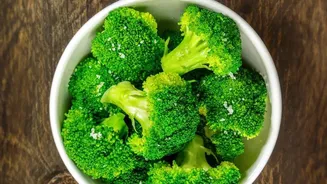
If you think steamed vegetables are bland, think again. The key is to add flavour after they are cooked, not before. Once your veggies are steamed to perfection, take them out of the pot and immediately toss them with your favourite seasonings. A drizzle of good-quality olive oil, a squeeze of lemon juice, a pinch of salt, and some freshly ground black pepper can elevate them instantly. You can also add chopped garlic, herbs like coriander, or a sprinkle of chilli flakes for an extra kick. This method not only preserves nutrients but also the vegetable's natural flavour and texture, making for a much more enjoyable meal.