


From Humble Side to Hero Ingredient
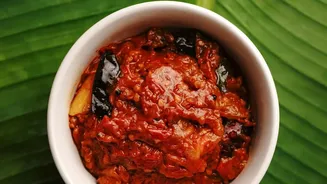
The pickle, or achar, has always been a staple in Indian households, a cherished method of preserving seasonal produce passed down through generations. However, its role is beautifully evolving. No longer just a condiment on the side of a thali, the Indian pickle is being
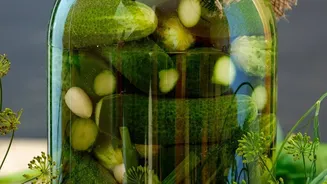
rediscovered and rebranded as a premium product. The market is seeing a distinct shift from mass-produced options to small-batch, artisanal creations that champion quality, authentic recipes, and clean ingredients. What was once simply 'ghar ka achar' is now being presented in elegant glass jars, often highlighting its single-origin ingredients and preservative-free nature. This transition is not just about packaging; it's about perception. The complex, layered flavours of traditional pickles are finally being recognized for their culinary potential, moving them from the pantry shelf to the forefront of the modern Indian plate.
Rediscovering a Map of Flavours
The true magic of this comeback lies in its diversity. India's vast culinary landscape is mirrored in its pickles, with each region offering a unique taste of its local produce and traditions. In Kerala, you might find a succulent prawn or fish pickle, a briny and spicy delight from the coast. Travel to Andhra Pradesh, and the fiery, tangy Gongura pickle, made from sorrel leaves, is a beloved specialty. In the North, Punjab offers a unique Methi Chana (fenugreek and chickpea) pickle, while Rajasthan is known for its intense Lal Mirchi ka Achar, made from stuffed red chillies. Lesser-known gems are also finding the spotlight, such as Assam's tangy bamboo shoot pickle and Kashmir's crunchy lotus stem pickle, each telling a story of its origin. Even non-vegetarian pickles, like hearty Kheema (minced meat) pickle, are part of this rich tapestry.
The Artisans Behind the Revival
This gourmet revival is being driven by a passionate group of food entrepreneurs, home chefs, and women-led enterprises. Many of these new brands were born during the pandemic, as people sought to bring authentic, homemade flavours to a wider audience. Brands like 'JhaJi Pickle' from Bihar and Chennai's 'Just Sides' are focusing on heirloom recipes and locally sourced ingredients, creating products that taste of home and heritage. These artisans are reviving not just recipes, but the very art of pickling—sun-drying, using traditional oils like mustard oil, and avoiding artificial preservatives. This focus on authenticity and quality is resonating with a new generation of consumers who are hungry for food with a story.
Why Now? The Perfect Recipe for a Comeback
Several factors have created the perfect environment for this pickle renaissance. There is a growing consumer interest in gut health and fermented foods, with traditional pickles being seen as a natural probiotic. Furthermore, a wave of culinary curiosity is driving diners to explore the nuances of regional Indian cuisines beyond the usual restaurant fare. This desire for authenticity has created a market for products that are natural, chemical-free, and rooted in tradition. The rise of e-commerce and social media has also been crucial, allowing these small-batch producers to reach customers directly in metropolitan areas and beyond, creating a thriving direct-to-consumer ecosystem for what was once a highly unorganized industry.
A Place on the Modern Plate
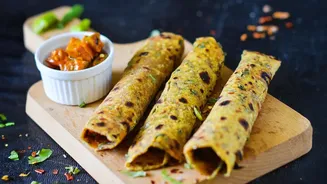
The 'gourmet' label is not just about the price tag; it's about versatility. Chefs and home cooks are now using regional pickles in innovative ways that go far beyond a simple side dish. Imagine a tangy mango pickle marinade for chicken or paneer tikka, or a dash of spicy lemon pickle stirred into a yogurt dip to create an 'achaari raita'. Pickle brine is even making its way into savoury cocktails. These bold condiments are being used to flavour rice dishes, add a kick to sandwiches, and even spice up a dal tadka. This creative usage showcases the pickle's potential as a powerful flavouring agent, capable of transforming a simple dish into something truly special.