





The Lone Star: Glory in 1966
England's World Cup story has one defining chapter: 1966. As hosts, the pressure was immense, but under the tactical guidance of manager Alf Ramsey, the 'Wingless Wonders' delivered the nation's first and only World Cup title. Playing all their games
at Wembley Stadium, they navigated the tournament with defensive solidity, not conceding a goal until the semi-finals. In a dramatic final against West Germany, the score was level at 2-2 after 90 minutes. Extra time brought heroics and controversy. Geoff Hurst scored what is still one of the most debated goals in football history, with the ball hitting the crossbar and bouncing down on the line. He then completed the first-ever World Cup final hat-trick in the dying seconds to seal a 4-2 victory, creating a moment of national euphoria that has echoed through the decades.
Near Misses and Italia '90
The years after 1966 were lean, with failures to qualify in 1974 and 1978. The 1980s, however, brought England back to the centre stage of World Cup drama. In 1986, they were knocked out in the quarter-finals by Argentina in a match immortalised by Diego Maradona's infamous 'Hand of God' goal and his subsequent moment of solo genius. Then came Italia '90, a tournament that re-ignited England's love affair with its national team. Bobby Robson's side, featuring the mercurial talent of Paul Gascoigne and the goal-scoring prowess of Gary Lineker, reached the semi-finals for the first time since 1966. They faced West Germany in a titanic clash in Turin. After a 1-1 draw, the game went to a penalty shootout, England's first in their history. It ended in tears for Gascoigne and the nation, as misses from Stuart Pearce and Chris Waddle sent England home, beginning a long and painful tradition of shootout heartbreak.
The 'Golden Generation' Burden
The 2000s were dominated by the narrative of the 'Golden Generation'. A squad boasting world-class club talents like David Beckham, Steven Gerrard, Frank Lampard, and a young Wayne Rooney carried immense expectations. Yet, at the World Cup, they consistently fell short. In 2002, they were eliminated in the quarter-finals by a Brazil side that went on to win the tournament, despite Brazil playing with 10 men for over half an hour. The 2006 World Cup in Germany saw a similar story. Considered among the pre-tournament favourites, England again crashed out at the quarter-final stage, losing another penalty shootout, this time to Portugal. Many reasons have been cited for this era of underachievement, from tactical inflexibility to the difficulty of getting star players to gel, but the result was three consecutive quarter-final exits at major tournaments, a frustrating return for such a talented group.
The 'Southgate Revolution'
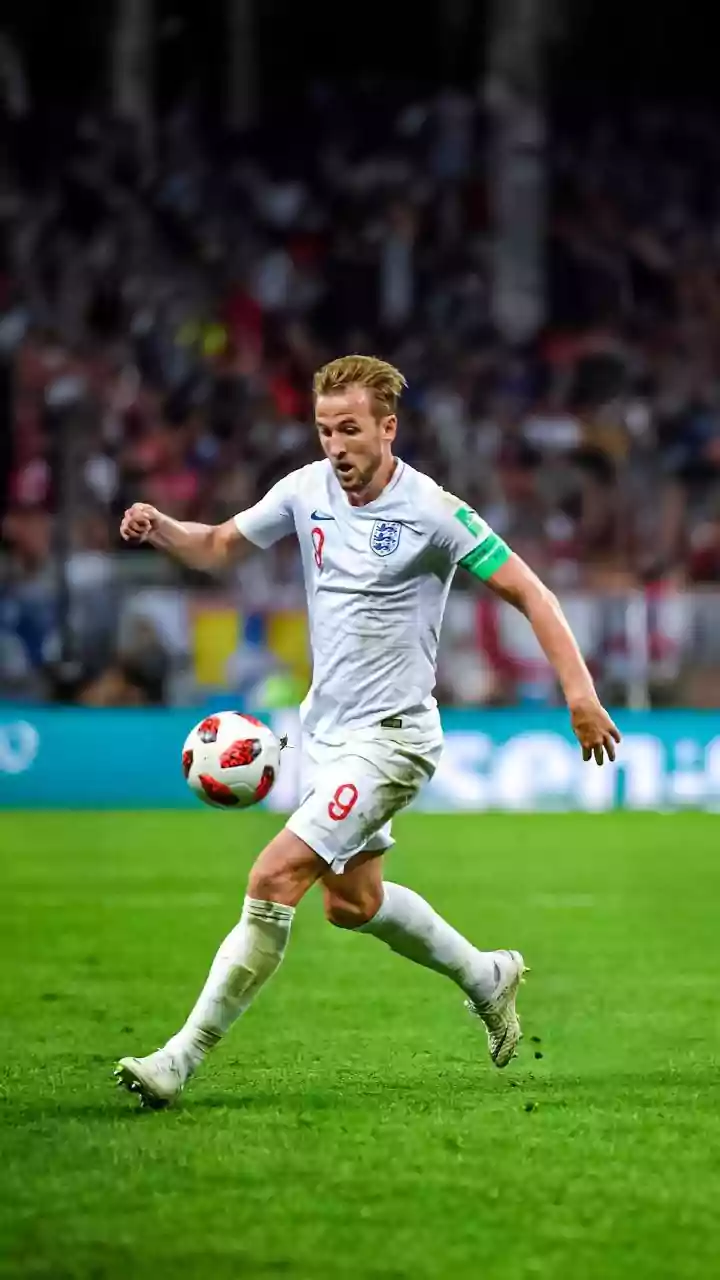
After a disastrous group stage exit in 2014, expectations were low. However, under the calm leadership of Gareth Southgate, a new chapter began. At the 2018 World Cup in Russia, a young, vibrant England squad captured the nation's hearts. They ended their long-standing penalty shootout curse by beating Colombia in the Round of 16 and progressed to their first World Cup semi-final in 28 years. Though they ultimately lost 2-1 to Croatia in extra time after taking an early lead, the tournament was seen as a resounding success that restored national pride. Southgate continued to build on this foundation, leading England to another strong performance at the 2022 World Cup in Qatar. They reached the quarter-finals, where they faced the reigning champions, France. In a tightly contested match, they were edged out 2-1, with captain Harry Kane scoring one penalty but missing a crucial second late in the game.