





Prioritise Acclimatisation Above All
The single biggest risk in Spiti is not the roads, but the altitude. Acute Mountain Sickness (AMS) can affect anyone, regardless of age or fitness. The key to prevention is gradual ascent. The route from Shimla to Kaza is widely recommended for first-timers
as it allows your body to adjust over several days, unlike the steep climb from Manali. Plan for at least one or two nights at a mid-altitude location like Kalpa or Nako before proceeding to Kaza (3,800 metres). Once in Kaza, rest for a full day. Avoid strenuous activity, drink 3-4 litres of water daily, and avoid alcohol for the first 48 hours. Symptoms like headaches, nausea, and dizziness should not be ignored. If they persist or worsen, the only cure is immediate descent to a lower altitude.
Vehicle and Driver Readiness
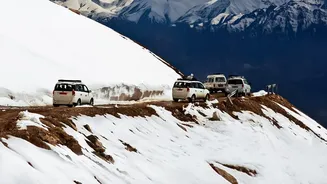
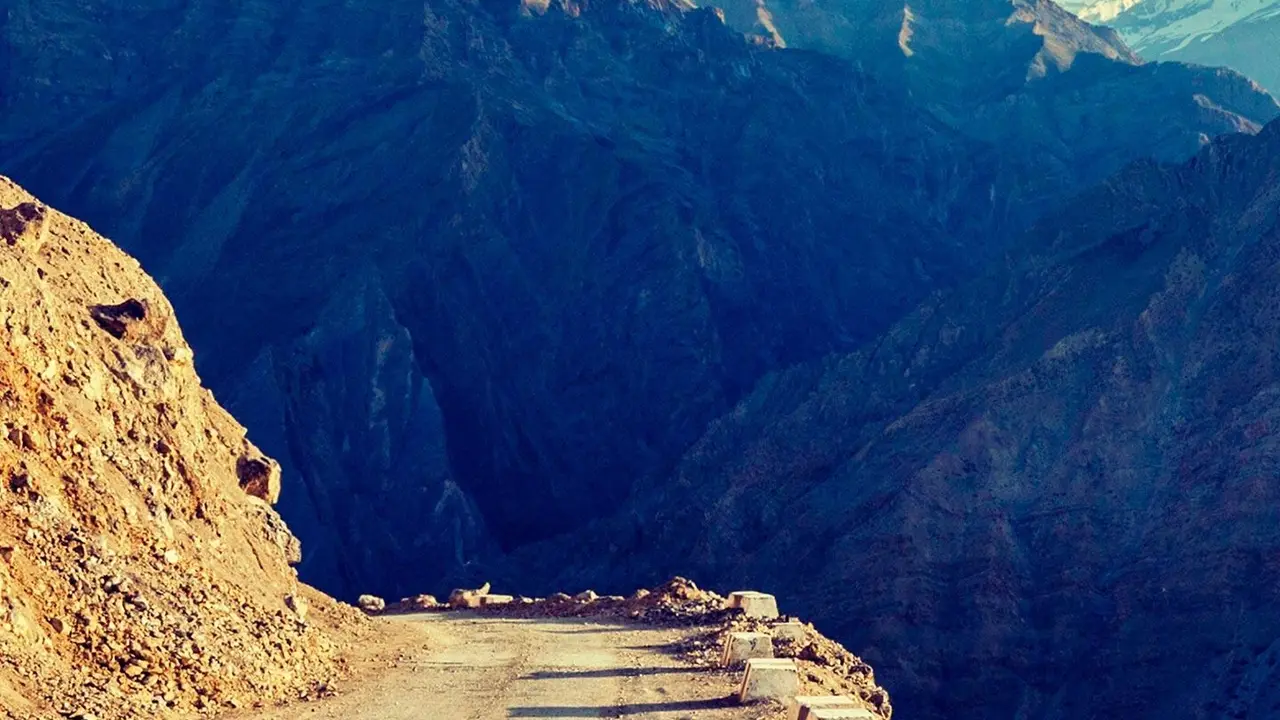
Spiti's terrain is unforgiving, especially on the stretches to its high passes like Kunzum La (4,551 metres). Before you start, ensure your vehicle is in top condition. A 4x4 or a car with high ground clearance is highly recommended, particularly for the Manali-Kaza road. Key checks include tires (including the spare), brakes, engine oil, and antifreeze. The roads are a mix of paved sections, gravel, and boulder tracks, with water crossings and the potential for black ice in autumn. Driving after dark is extremely dangerous and should be avoided entirely due to the lack of streetlights and unpredictable road conditions. Only experienced drivers who are confident on narrow mountain roads with sharp blind turns should be behind the wheel.
Mastering the High Passes in Autumn
October is a transitional month in Spiti. While the Manali-Kaza highway via Kunzum Pass is generally open in the first half of the month, its status can change rapidly. Early snowfall can lead to temporary or even seasonal closures, often with little warning. Always check the latest road status from official sources like the Border Roads Organisation (BRO) or local police before attempting to cross. The risk of black ice increases significantly, making ascents and descents treacherous. Drive slowly, maintain a safe distance from other vehicles, and be prepared for delays. If Kunzum Pass is closed, your only entry and exit route will be via Shimla, so plan your itinerary with this flexibility in mind.
Pack for Four Seasons in One Day
Layering is the most critical packing strategy for Spiti in autumn. Daytime can be sunny and pleasant, but temperatures plummet below freezing as soon as the sun sets. Your clothing should include thermal innerwear, a fleece mid-layer, and a windproof, waterproof outer jacket. Woollen socks, gloves, a warm beanie or balaclava, and UV-protection sunglasses are non-negotiable. Carry a comprehensive first-aid kit with medications for AMS (consult a doctor for a prescription like Diamox), pain relief, and stomach issues. Also pack energy bars, nuts, and a reusable water bottle, as shops and dhabas become sparse in remote areas and may start closing for the season.
Stay Connected and Plan for Emergencies
Mobile connectivity in Spiti is extremely limited. BSNL and Jio postpaid SIMs have the best but still patchy coverage, mostly in and around Kaza and Tabo. Do not rely on your phone for navigation; download offline maps before you enter the valley. Always carry sufficient cash, as ATMs in Kaza frequently run out of money and digital payments are rarely an option. Inform your family of your itinerary and expected periods of no contact. Save emergency numbers for the local police and district disaster management authority on paper, not just on your phone. For Indian tourists, no Inner Line Permit (ILP) is required for the standard Spiti circuit, but you must carry a valid government-issued photo ID for registration at various checkpoints.