




The Nutritional Powerhouse
Millets stand out nutritionally when compared to common staples like polished white rice and refined wheat. They are packed with dietary fibre, which is crucial for good digestion and can help prevent constipation. Many varieties of millets boast a higher
protein content than rice and offer a more diverse amino acid profile than wheat. One of the most significant advantages is their low glycemic index (GI), which means they release sugar into the bloodstream slowly. This helps in managing blood sugar levels, making them an excellent choice for diabetics and those looking to maintain steady energy throughout the day. Furthermore, millets are a rich source of essential minerals. For instance, ragi (finger millet) is famously high in calcium, and bajra (pearl millet) is a great source of iron, helping to combat deficiencies and improve overall health.
Know Your Millets
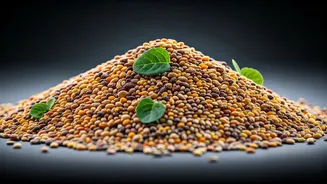
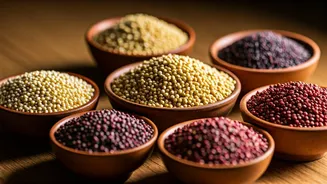
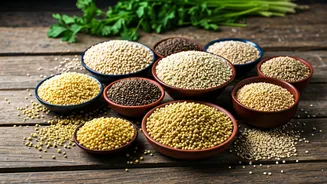
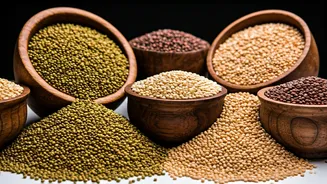
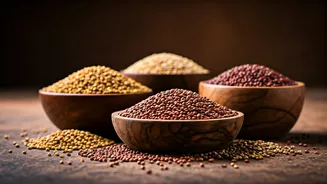
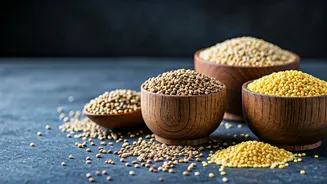
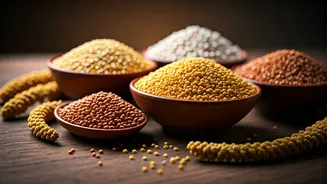
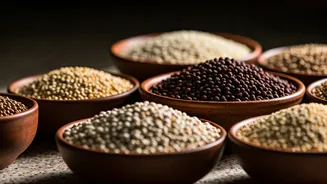
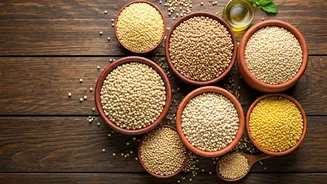
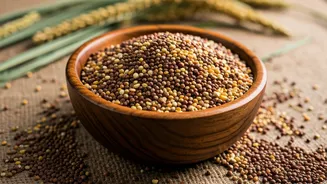
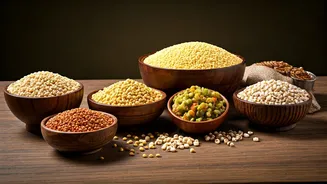
Getting started with millets is easier when you know the common types available in India. Jowar (sorghum) is often used to make rotis or bhakri and is known for being rich in protein and antioxidants. Bajra (pearl millet) is a dense, energy-rich grain perfect for winter rotis and khichdi. Ragi (finger millet), a calcium king, is versatile enough for dosas, porridge, and even baked goods. Lighter options include foxtail millet (kangni) and little millet (kutki), which can be cooked fluffy like rice and used in dishes like upma, pulao, or as a simple side dish. Barnyard millet (sanwa) is another popular choice, especially during fasting periods, as it's low in calories and cooks quickly.
Easy Swaps for Everyday Meals
You don't need to overhaul your entire diet to reap the benefits of millets. Start with simple, small substitutions. Try replacing a portion of your regular wheat atta with jowar or bajra flour to make your daily rotis more nutritious. Swap out white rice for foxtail or little millet in your next pulao or khichdi; they cook similarly and absorb flavours beautifully. For breakfast, consider a warm porridge made from ragi or a mixed millet muesli instead of processed cereals. You can even use cooked millet as a base for salads, adding vegetables and a light dressing for a wholesome lunch. These small changes can significantly increase your intake of fibre, vitamins, and minerals without sacrificing taste or convenience.
Tips for Perfect Millet Cooking
Cooking millets can seem intimidating at first, but a few simple tips can ensure great results. Soaking is a highly recommended step. Soaking millets for at least 30 minutes (or even overnight) helps them cook faster, become more tender, and makes their nutrients easier to digest. A general water-to-millet ratio is 2:1 for a fluffy, rice-like texture, but this can vary slightly by millet type. For a more porridge-like consistency, you can use a 3:1 ratio. Millets can be cooked in a pressure cooker, a rice cooker, or on the stovetop. Toasting the dry grains in a pan for a few minutes before adding water can also enhance their nutty flavour.