
What Exactly is an Olla?
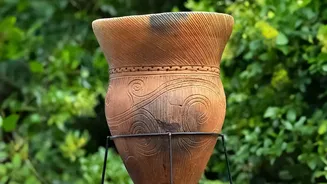
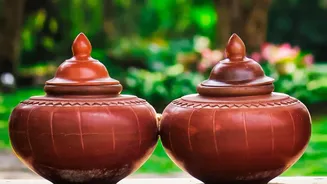
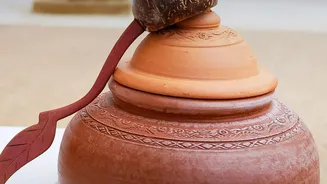
An olla (pronounced 'oy-ah') is an unglazed terracotta pot that is buried in soil and filled with water to irrigate plants. This ancient technique, used for millennia in various parts of the world, is a remarkably efficient method of watering. Instead
of watering the soil surface, the olla is buried with only its neck exposed. You fill the pot with water, and its porous clay walls do the rest. Think of it as a personal, underground water reservoir for your plants, delivering moisture exactly where it's needed most: the root zone.
The Science of Slow-Release Watering
The magic of the olla lies in a natural process called soil moisture tension. The unglazed clay is porous, with countless tiny holes that allow water to seep out slowly. However, the water doesn't just leak out uncontrollably. Instead, it is 'pulled' through the clay by the surrounding dry soil and thirsty plant roots. When the soil is moist, such as after a rain, the water stays inside the pot. As the soil dries, the tension increases, and water is drawn out to rehydrate the root zone. This self-regulating system means your plants get a steady supply of moisture without the stress of being over or underwatered.
Why Ollas Excel in Humid Weather
It might seem counterintuitive to need a special watering system when the air is thick with moisture. While high humidity does slow down water evaporation from the soil's surface, the soil in pots can still dry out quickly, especially on windy or hot days. Humid conditions also create a challenging environment for plants when watered from above, as wet leaves can lead to fungal diseases. Ollas bypass this problem entirely. By delivering water directly underground, they keep foliage dry and reduce the risk of disease. The steady, subsurface moisture encourages deep, strong root growth, making plants more resilient.
A Perfect Match for Balcony Gardens
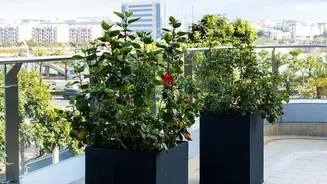
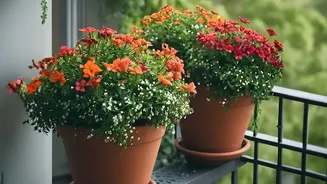
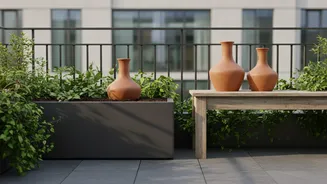
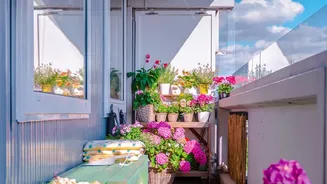
Container gardens on balconies dry out much faster than in-ground beds, making consistent watering crucial. Ollas are an ideal solution for urban gardeners because they conserve water, save time, and are perfect for small spaces. Since the water is released underground, very little is lost to evaporation, a major issue for exposed pots. For those with busy schedules or who travel, an olla system can be a lifesaver, keeping plants hydrated for several days between refills. A single, properly-sized olla can effectively water an entire container, making it a low-maintenance and highly effective tool.
A Simple Guide to Using Your Olla
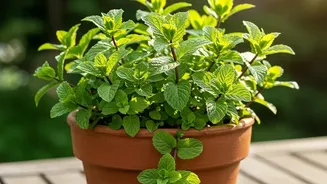
Getting started with an olla is straightforward. First, choose an unglazed terracotta pot, or a purpose-made olla. You can even make your own by sealing the drainage hole of one pot and gluing another pot to it, rim to rim. When potting your plants, bury the olla in the center of the container, leaving the neck exposed about an inch or two above the soil line. Pack soil firmly around it to ensure good contact. Plant your thirstiest plants, like tomatoes or herbs, closest to the olla. Fill it with water and place a rock or a small lid over the opening to prevent evaporation and keep mosquitoes out. You'll need to check the water level every few days at first to learn your garden's rhythm.